Huawei Overtakes Nvidia in China AI Chip Market
U.S. export controls and Beijing's push for self-sufficiency have reshaped the competitive landscape for AI hardware in the world's second-largest economy.
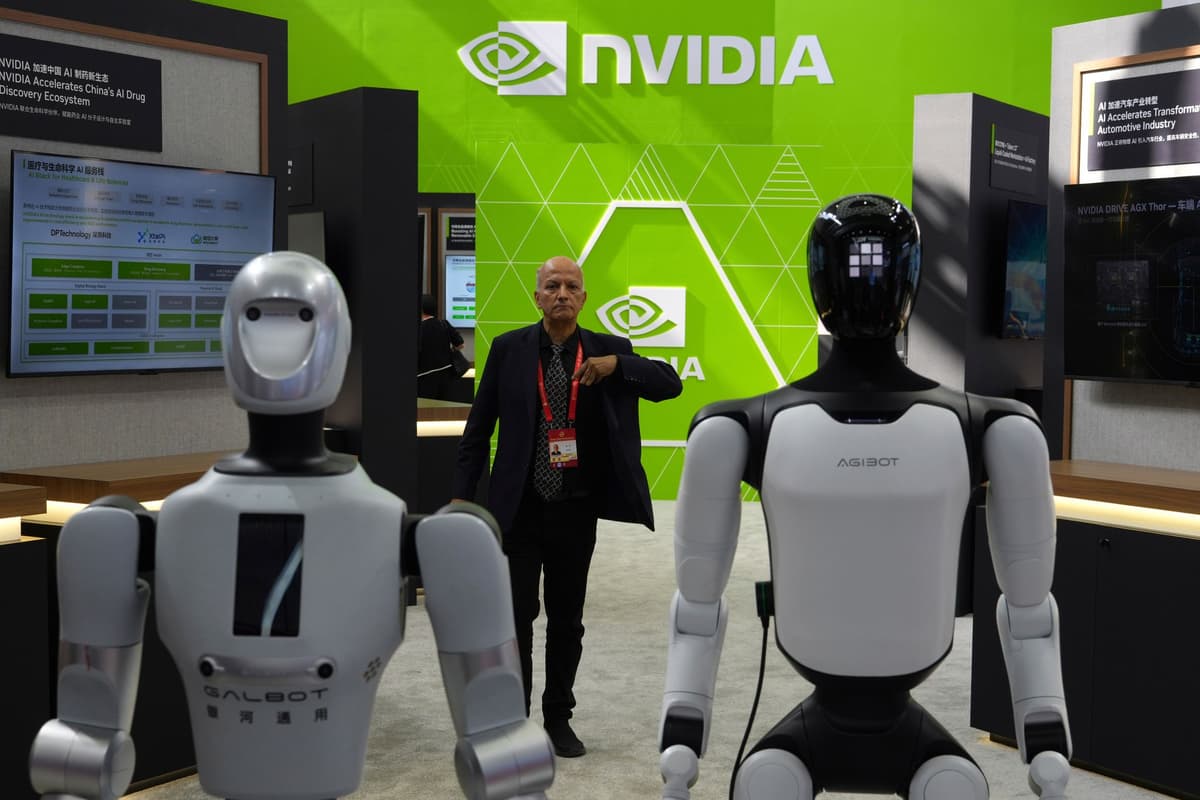
The competitive dynamics in China's artificial intelligence chip market have shifted dramatically, with domestic manufacturer Huawei now leading sales while Nvidia's market position has collapsed despite the company's three-decade presence in the country.
Research from Bernstein estimates Huawei captured approximately 50% of China's AI chip market in 2025, while Nvidia's share dropped to roughly 8% from about 40% the previous year. The reversal marks a significant turning point in the U.S.-China technology competition, driven by Washington's export controls on advanced semiconductors and Beijing's subsequent emphasis on domestic alternatives.
Why it matters
The shift demonstrates how export restrictions intended to limit China's AI capabilities may be accelerating the country's semiconductor self-sufficiency instead. For multinational chip companies, it illustrates the risk of losing established markets when geopolitical tensions override commercial relationships. Chinese AI developers now have viable domestic hardware options, potentially reducing long-term dependence on U.S. technology even if restrictions ease.
From dominance to displacement
Nvidia CEO Jensen Huang acknowledged the company held approximately 95% market share in China before U.S. export controls effectively banned sales of its most advanced chips. Washington initially blocked Nvidia's H200 AI processors on national security grounds. When the Trump administration later approved their sale, Beijing had already pivoted to promoting chips from Huawei and other Chinese manufacturers.
"We have to have, number one, make sure that we have national security and that we protect our nation, but we also simultaneously should go and compete and grow our technology industry and maximize our exports," Huang told the Associated Press.
Huawei's Ascend 950 series chips are now considered roughly comparable to Nvidia's H200 in performance, according to industry analysts. The Chinese company has also deployed some of the world's most powerful AI computing clusters by linking thousands of domestically produced chips, despite lacking access to the most advanced manufacturing equipment.
Technical gaps remain
While Huawei has made substantial progress, its chips still lag Nvidia's cutting-edge technology in several areas. Chinese AI companies training frontier models—including DeepSeek, which adapted its latest V4 model for Huawei's Ascend processors—continue to rely on Nvidia hardware for the most demanding workloads. Universities and research institutions in China also seek Nvidia's H200 chips for development purposes.
Demand for AI chips in China still exceeds domestic supply, and recent smuggling cases demonstrate continued appetite for Nvidia's technology despite export restrictions.
Nvidia's global business remains strong, with expected revenue of approximately $91 billion for May-July 2025, up from nearly $82 billion the previous quarter, excluding Chinese data center sales. The company's latest annual revenue reached almost $216 billion compared to Huawei's $126 billion.
Looking ahead
As China's advanced chip manufacturing capacity expands, analysts predict Chinese semiconductors could gain market share in Southeast Asia and other regions where pricing and availability matter more than absolute performance leadership. Huawei operates in 170 countries and has stated ambitions to bring digital connectivity globally.
Counterpoint Research analyst Brady Wang noted that China's strategy of pursuing technological self-sufficiency and eventual technology exports is unlikely to change regardless of whether Nvidia gains market access.
These details were first reported by the Associated Press.
This is an original analysis by the Omega editorial team. Source reporting: AI Watch.
Want systems like this working for your business?
Book a Call
