Hospital ER Treats 152 Patients in 61-Room Facility
Brigham and Women's emergency department illustrates the capacity crisis facing U.S. healthcare systems.
Emergency Department Overcrowding Reaches Crisis Levels
A brand-new emergency facility at Brigham and Women's Hospital in Boston is already operating at more than double its designed capacity, highlighting the severity of patient volume challenges facing American healthcare systems.
On a recent September evening, the emergency department treated 152 patients in a facility designed for 61 acute care rooms. The 2022 building was insufficient within three years of opening.
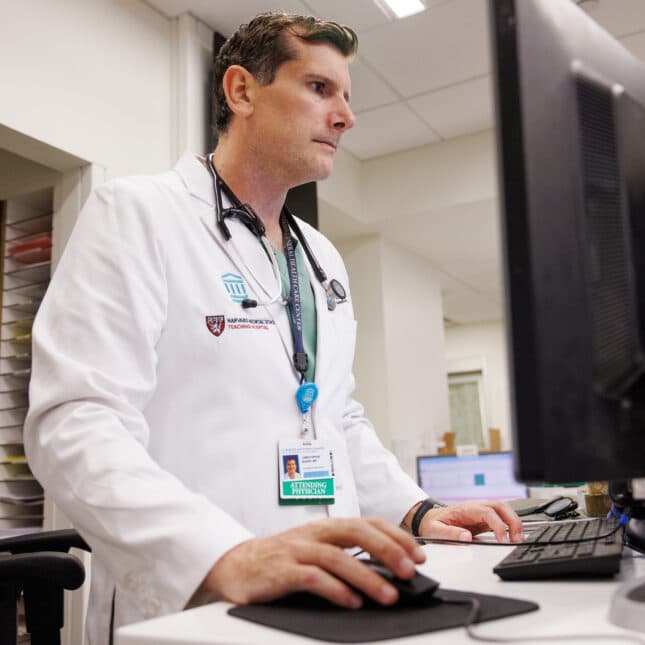
"You can't see 152 patients in 61 rooms," said Christopher Baugh, an emergency physician at the hospital. The overflow forced staff to place patient beds in every available space, including a full circle of beds surrounding central workstations.
Hallway Medicine Becomes Standard Practice
The hospital has formalized its hallway treatment approach, designating beds with an "H" suffix to indicate hallway placement. Beds 80H and 81H, watched over by Star Wars figurines R2D2 and C3PO, represent just two of the many makeshift treatment spaces now standard in the facility.
Baugh noted that while such scenes might appear shocking or reminiscent of healthcare systems in developing nations, they represent routine operations for his team. "To some, this may look like a scene from another country," he said. "But to me, it's just Thursday."
Why It Matters
The rapid obsolescence of a newly constructed emergency facility underscores a fundamental mismatch between healthcare infrastructure planning and actual patient demand. When hospitals operate at 250% capacity as standard practice, it raises critical questions about patient safety, care quality, and the sustainability of emergency medicine. This capacity crisis affects wait times, staff burnout, and clinical outcomes—challenges that technology solutions alone cannot solve without addressing underlying systemic issues.
Infrastructure Cannot Keep Pace
The Brigham and Women's case demonstrates how even significant capital investments in new facilities fail to address the underlying drivers of emergency department overcrowding. The building opened in 2022 with what planners presumably believed was adequate capacity, yet became insufficient in less than three years.
This pattern suggests that traditional approaches to healthcare capacity planning may be fundamentally inadequate for current and projected patient volumes. The normalization of hallway medicine—complete with designated bed numbering systems—indicates that temporary overflow measures have become permanent operational features.
These details were first reported by STAT News, which documented conditions at the Boston emergency department.
This is an original analysis by the Omega editorial team. Source reporting: AI Watch.
Want systems like this working for your business?
Book a Call