Hamilton County Pauses AI Dispatch Plan After Union Challenge
Ohio emergency communications center shelves non-emergency call automation following cease-and-desist letter over collective bargaining concerns.
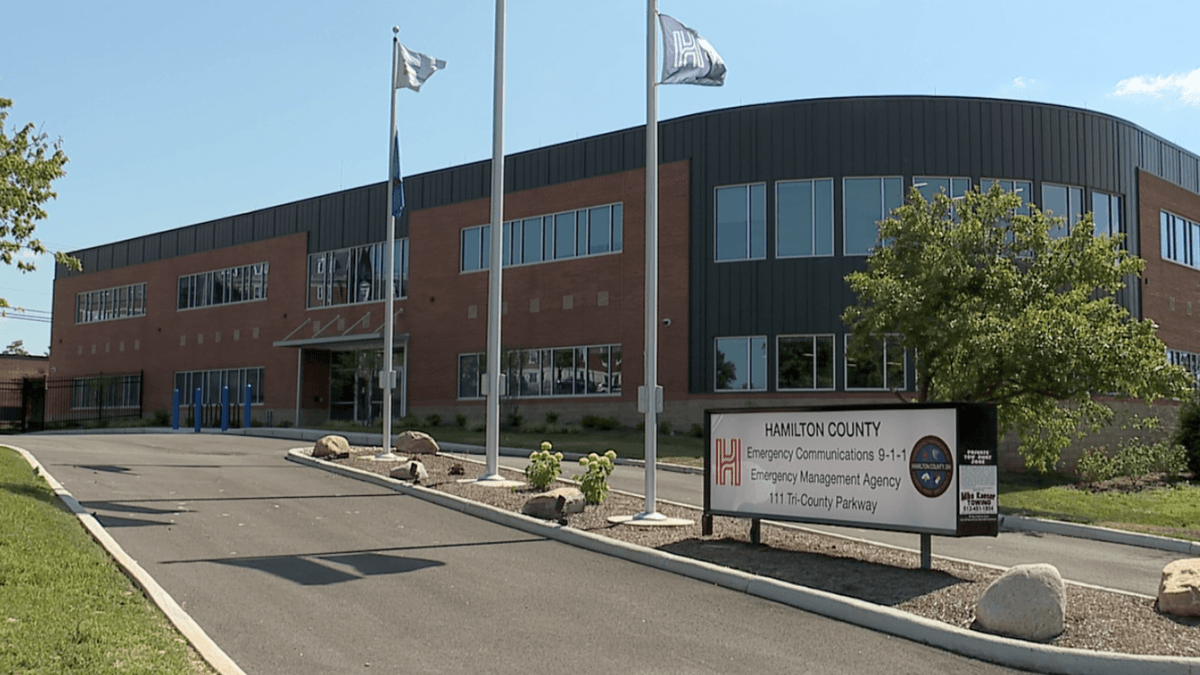
Hamilton County halts AI dispatch rollout
Hamilton County, Ohio has suspended plans to implement artificial intelligence software for handling non-emergency calls at its Communications Center after the local union representing communications officers issued a cease-and-desist letter in late June.
The union letter challenged what it called "unilateral implementation" of AI software, arguing the technology would alter terms of the existing collective bargaining agreement. The union demanded the county abandon its implementation plans and negotiate the matter through collective bargaining by July 7, according to details first reported by WCPO.
County Communications Director Andy Knapp declined to discuss ongoing labor negotiations but defended the county's exploration of the technology. "Our top priority is public safety," Knapp said in a statement. He emphasized that any AI under consideration would be "limited to non-emergency calls," allowing trained emergency communications officers to concentrate on urgent situations.
How the proposed system would work
The software, developed by Aurelian, would handle only the separate non-emergency line — not 911 calls. CEO Max Keenan explained in an interview that callers to the non-emergency number would interact with a conversational AI system designed to collect information, direct callers to appropriate departments, or escalate genuine emergencies to human dispatchers.
Keenan framed the technology as a workforce optimization tool rather than a replacement strategy. "You essentially train your team as Navy Seals, and then you use them as mall cops," he said, describing current non-emergency call handling as a misallocation of highly trained dispatcher talent.
The company operates in more than 50 agencies nationwide, according to Keenan, who stated that the technology has not eliminated dispatcher positions at any of those locations.
Why it matters
This dispute illustrates a growing tension between public sector efficiency initiatives and labor protections as AI tools enter emergency services. While automation advocates argue that offloading routine tasks allows skilled professionals to focus on critical work, unions are asserting their right to negotiate how such technologies affect working conditions, job security, and service delivery standards. The outcome in Hamilton County could influence how other municipalities approach similar implementations.
Next steps uncertain
The county has not announced a timeline for resolving the labor dispute or whether it will proceed with the AI system after negotiations. County officials have been evaluating the technology since at least late May, though the system was not ready for public demonstration during that period.
The details of this story were first reported by WCPO.
This is an original analysis by the Omega editorial team. Source reporting: AI Watch.
Want systems like this working for your business?
Book a Call
