Half of Planned AI Datacenters May Never Be Built, Study Finds
Energy constraints, supply chain bottlenecks, and local opposition are stalling the infrastructure needed to power the artificial intelligence boom.
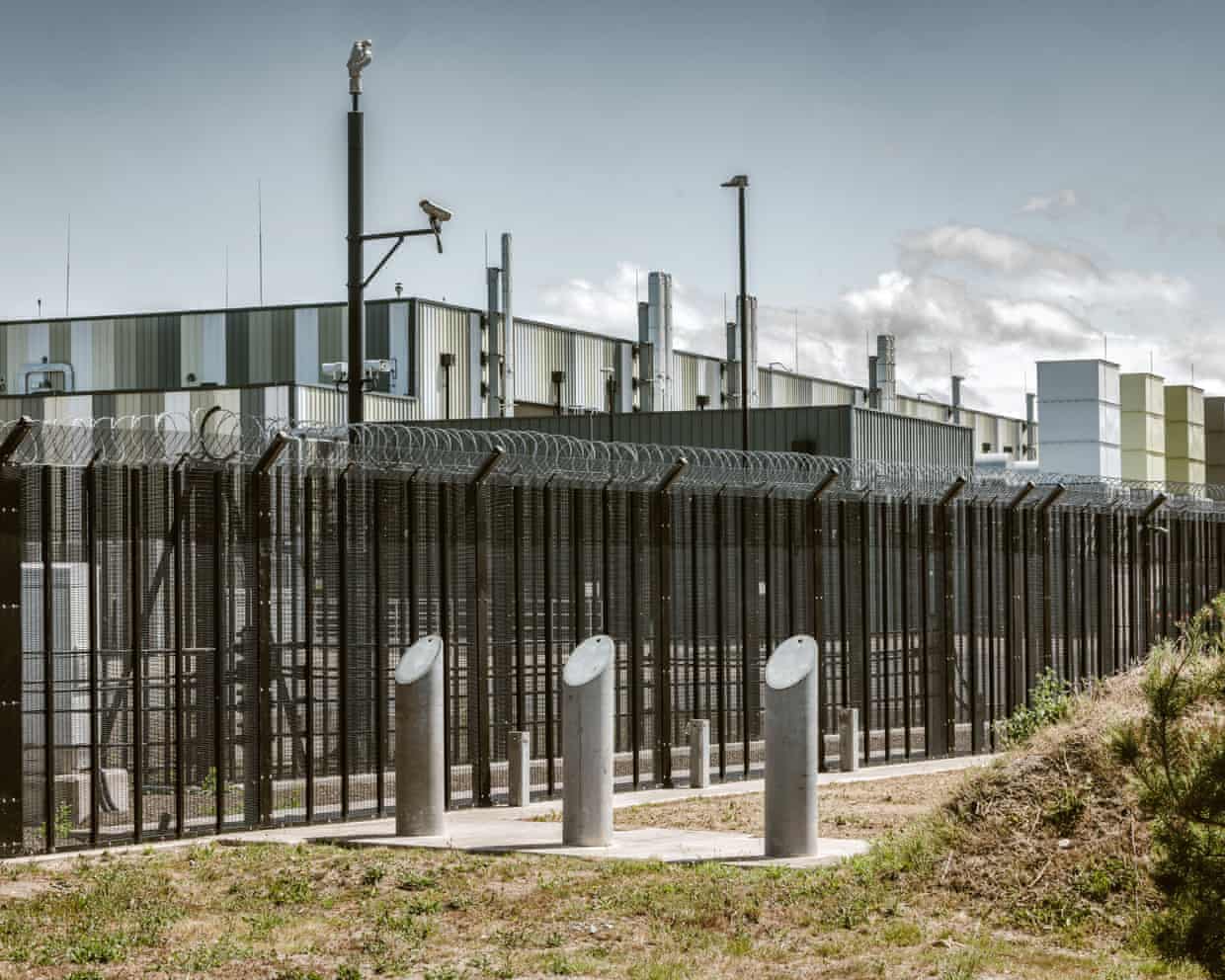
Infrastructure Lags Behind AI Ambitions
While artificial intelligence models from OpenAI, Anthropic, and Google advance rapidly, the physical infrastructure required to support them is falling dangerously behind. An analysis by the Uptime Institute has identified 250 datacenter projects worldwide—each demanding more than 100 megawatts of power—that were announced between 2021 and 2024. Roughly half will either be canceled or significantly delayed, according to the research.
The shortfall represents a critical bottleneck for AI companies. Google has publicly acknowledged its cloud business is "compute-constrained" as demand for more powerful AI services outpaces available capacity. Even accounting for expected cancellations, the power requirements for datacenters will see an "unprecedented and rapid" increase over the next five years.
Projects already scrapped include Arizona's Project Range, Malaysia's Cyberjaya campus, and Virginia's 2,000-acre Prince William Digital Gateway—the latter halted after a court ruling and withdrawal of a key backer, partly due to its proximity to a Civil War battlefield.
Energy Grids Cannot Keep Pace
The scale of power demand is staggering. Uptime identified six projects in 2025 alone, each targeting at least 5 gigawatts of capacity—roughly equivalent to Ireland's entire peak energy demand. Taking just last year's announced projects and assuming they operate at 25% capacity, they would consume 1.3% of global electricity usage projected for 2025.
North American power grids are already operating under strain and cannot support the surge, according to Uptime's January report. In California, datacenters sit empty for years awaiting grid connections. In Amsterdam, an Australian developer recently sued the Dutch grid operator after being denied a connection—a signal of escalating conflict between datacenter projects and existing electricity consumers.
Jay Dietrich, research director at Uptime, points to multiple compounding factors: inexperienced developers proposing projects without committed tenants, concentration of facilities in "datacenter corridors," and supply chain constraints including chip shortages. "The global supply chain just cannot support the level of projects out there, on the timeline that is projected," he said.
Why It Matters
The datacenter bottleneck threatens to constrain the AI industry's growth trajectory at a critical moment. As companies race to deploy increasingly sophisticated models, the physical infrastructure required to train and operate them is becoming a strategic vulnerability. The mismatch between AI ambition and energy reality also raises fundamental questions about resource allocation—particularly as climate concerns intensify and competition for electricity grows. Governments promoting AI leadership, including the UK's push to become an "AI superpower," have announced multi-billion-dollar initiatives without adequately assessing whether basic requirements like power availability can be met.
Onsite Power as a Potential Solution
Some industry observers remain optimistic. JLL, a property consultancy, projects 1,200 datacenters will be built globally by 2030. Andrew Batson, JLL's global head of datacenter research, argues the industry will overcome energy constraints through innovations like battery storage and onsite power generation—reducing dependence on local grids.
The seven largest planned datacenters are proposing a combined 45 gigawatts of onsite power, primarily gas-fueled, according to Uptime. That figure equals the UK's entire peak energy demand.
Yet even with technological solutions, universal challenges persist. Local communities continue to resist projects, citing environmental concerns and infrastructure impacts. About 80% of new power demand comes from US projects, concentrating the strain geographically.
These details were first reported by The Guardian.
This is an original analysis by the Omega editorial team. Source reporting: AI Watch.
Want systems like this working for your business?
Book a Call
