Grid Infrastructure Must Upgrade Before AI Can Optimize Energy
Data centers strain electrical grids with millisecond demand surges, but physical sensing and control systems remain the bottleneck for intelligent power management.
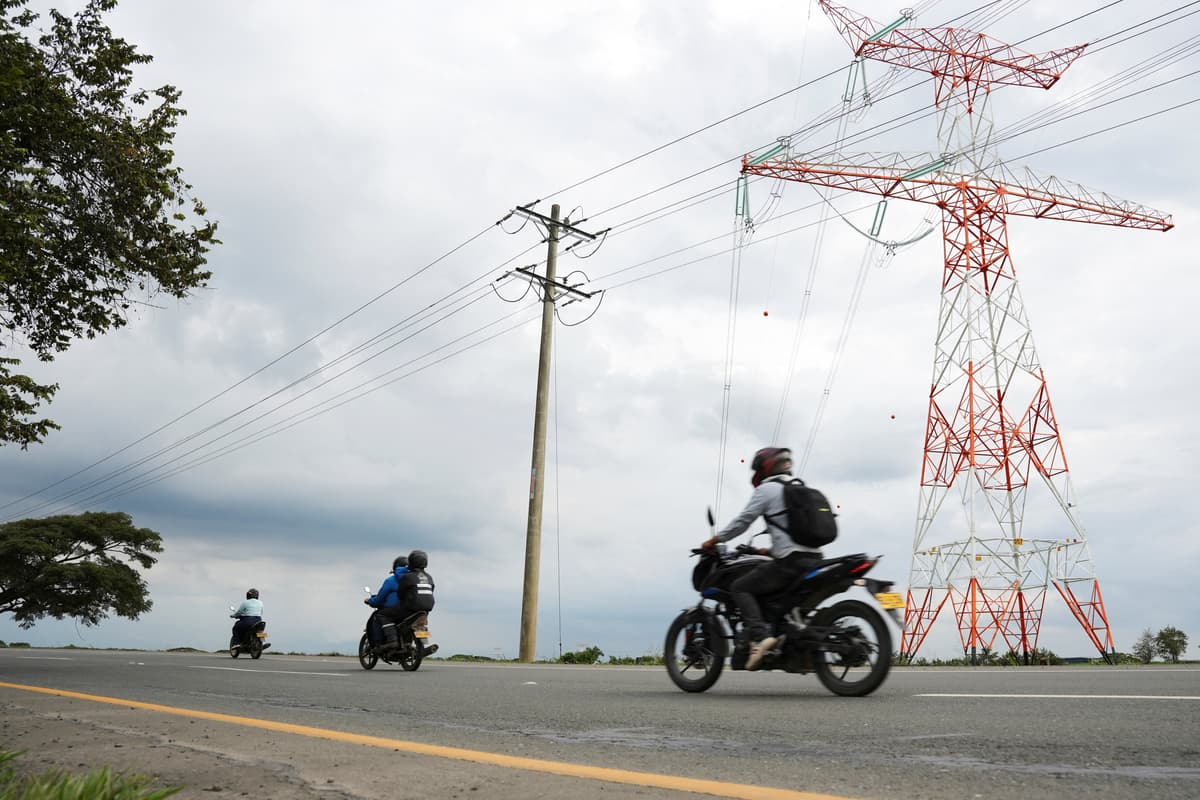
The physical bottleneck blocking smart grids
Artificial intelligence promises to optimize electrical grids through better dispatch decisions and congestion relief. But that potential remains theoretical without a fundamental upgrade to the physical infrastructure that senses conditions and executes commands across power networks.
The challenge is urgent: a single hyperscale data center consumes as much electricity as a city of 1 million people, with GPU workloads capable of surging demand from near zero to hundreds of megawatts within milliseconds. Meanwhile, the grid connecting these facilities operates on century-old design principles ill-suited for dynamic, multidirectional power flows.
Why it matters
As industries electrify heat and transport while renewable generation becomes more distributed and variable, grid operators face unprecedented complexity. Waiting for AI to solve these problems ignores that intelligence requires capable hardware to act upon—and today's grid lacks the embedded sensors and controls needed to respond at the speed modern power systems demand.
Intelligence without execution capability
AI excels at processing large datasets and identifying patterns, making it potentially valuable for asset management, grid mapping through computer vision, and optimizing dispatch decisions. However, these capabilities remain constrained by limited visibility into system dynamics and slow intervention mechanisms.
Current grids primarily meter power at generation and consumption endpoints, leaving the middle largely unobserved. Interventions rely on adjusting connected assets—curtailing power plants or coordinating demand response through virtual power plants—which operate too slowly for systems where milliseconds determine whether cascading failures occur.
The 2025 Iberian blackout demonstrated this temporal constraint: even sophisticated algorithms cannot prevent failures when the underlying infrastructure cannot sense problems and react instantaneously.
Building blocks for intelligent operation
The solution requires deploying sensing and control mechanisms throughout the network, embedded in hardware designed for systemic operation. Intelligent transformers, supercapacitors, batteries, and other components must work as decentralized building blocks, each capable of fast local action while maintaining collective system balance in real-time.
These capabilities need hardware and software engineered together, synchronized to common protocols. As aging infrastructure reaches end-of-life and grids expand to accommodate increased capacity, operators face a choice: replace outdated technology with similarly limited equipment, or install foundations ready for intelligent software to multiply their value.
The upgrade sequence matters
Just as AI performance depends on capable processors, grid intelligence requires physical infrastructure that can act at the speed of light. The pressure to modernize grids existed before the AI boom, but data centers have intensified the urgency.
A truly flexible, self-healing power system must handle known unknowns—technologies and demand patterns not yet invented. That requires visibility into grid dynamics beyond endpoint metering and intervention capabilities faster than coordinating distributed assets.
Without these physical foundations, AI remains limited to identifying optimization opportunities it cannot deliver. The priority is upgrading grid hardware with embedded intelligence before expecting software to solve the energy transition's most complex challenges.
These details were first reported by the World Economic Forum.
This is an original analysis by the Omega editorial team. Source reporting: AI Watch.
Want systems like this working for your business?
Book a Call