Google Opens Gemini's Personalized Image Generation to All U.S. Users
The AI feature, previously limited to paid subscribers, now creates custom visuals by drawing on your Google account data.
Google has removed the paywall from one of Gemini's most distinctive features, making personalized AI image generation available at no cost to all eligible users in the United States. The capability, powered by what Google calls Nano Banana technology, previously required a Plus, Pro, or Ultra subscription.
The feature represents a significant expansion of access to technology that generates images tailored to individual users without requiring detailed prompts. Instead of manually describing preferences and uploading reference photos, users can now request images based on their interests with minimal input, and Gemini handles the personalization automatically.
How the personalization works
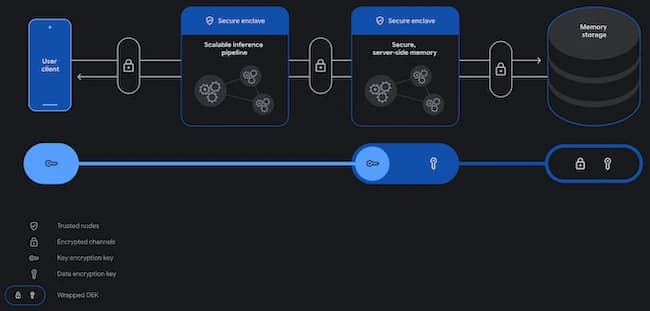
Gemini's personalized image generation draws on data across multiple Google services to understand user preferences. The system accesses information from Gmail, Google Photos, YouTube, and Search history to build a profile of interests and visual references.
In practice, this means a user can make a simple request like "Create an illustration of me and my favorite things" rather than specifying "Create an illustration of me and my favorite things, such as coffee and baking." The AI infers those details from accumulated data about the user's activities and preferences.
The feature can also pull actual photographs of users directly from Google Photos, eliminating the need for manual uploads when creating personalized imagery.
Privacy controls and rollout timeline
Google has structured the feature as opt-in, giving users control over which applications Gemini can access for personalization. Once activated, Personal Intelligence becomes the default setting for all prompts, though users can disable it through a toggle in the Tools menu.
The broader Personal Intelligence framework, which includes this image generation capability, first became widely available to U.S. users in March. Google has since expanded the functionality to users in India and Japan, according to the announcement made Monday.
Google first revealed plans to add Nano Banana-powered image generation to Personal Intelligence in April, setting the stage for this week's free tier expansion.
Why it matters
Removing the subscription requirement for personalized image generation signals Google's strategy to compete on accessibility rather than premium features alone. With Gemini reportedly surpassing 750 million monthly active users earlier this year, the company appears focused on deepening engagement through features that leverage its unique advantage: comprehensive data across its ecosystem of services. The move also intensifies competitive pressure on other AI image generators that lack similar cross-platform personalization capabilities.
What's next for Gemini
Last month, Google previewed several additions coming to the Gemini app, including a Daily Brief feature, an updated interface, integration with the Gemini Omni video model, and a personal AI agent called Gemini Spark.
These details were first reported by TechCrunch.
This is an original analysis by the Omega editorial team. Source reporting: AI Watch.
Want systems like this working for your business?
Book a Call