Google, OpenAI, Anthropic Discuss Self-Regulatory AI Standards Body
Leading AI companies are exploring a FINRA-style organization to test models before deployment, though consensus remains elusive.
Three of the world's most powerful AI companies have held discussions about establishing their own industry standards body to regulate advanced AI models, according to people familiar with the conversations.
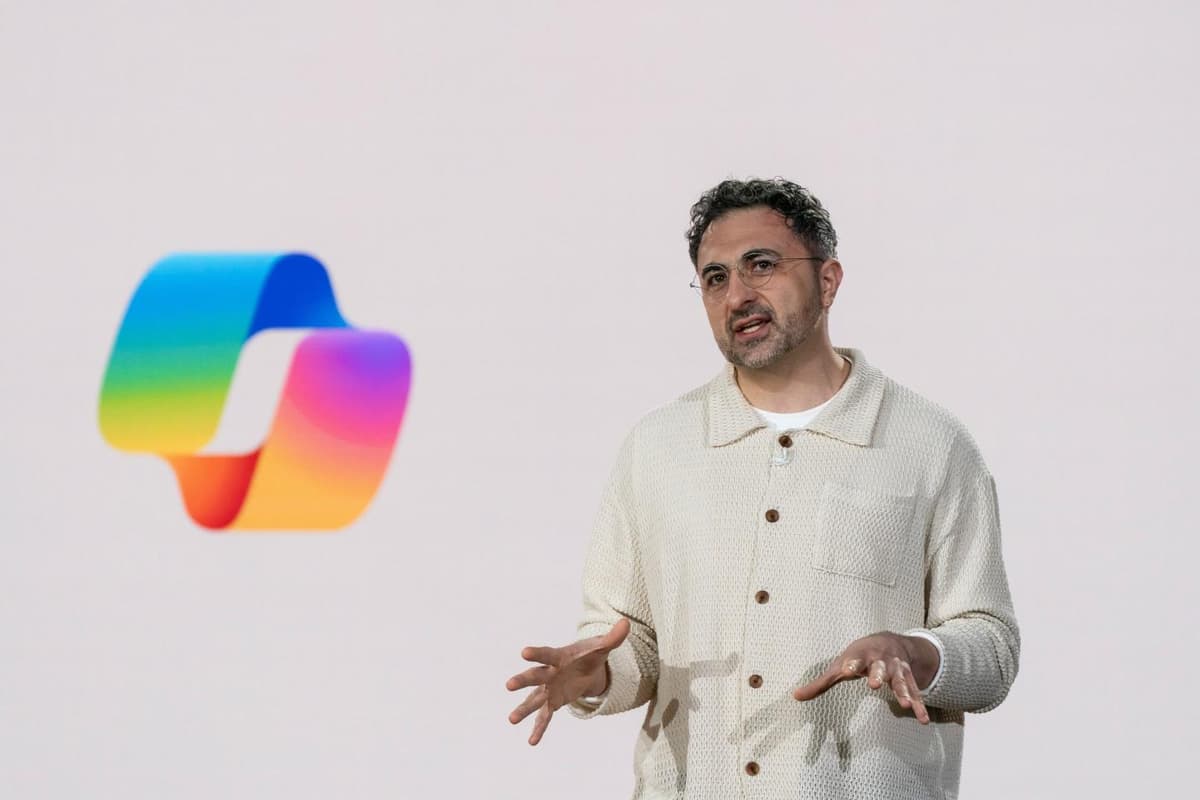
Anthropic, Google, and OpenAI have explored creating an organization that would test AI systems before public deployment, CNN has learned. The talks were catalyzed by a July essay from Google DeepMind founder Demis Hassabis, who proposed a U.S.-led standards body modeled on the Financial Industry Regulatory Authority (FINRA).
Hassabis's proposal called for a public-private partnership overseen by government but funded by industry and staffed by independent technical experts. The body would evaluate advanced AI models before they reach the market.
Ongoing talks amid regulatory vacuum
The conversations are continuing regardless of the Trump administration's position, one person familiar with the situation said. Treasury Secretary Scott Bessent has reportedly considered a similar FINRA-like agency for AI that would report to the Securities and Exchange Commission.
However, not all technology leaders support the initiative. Meta CEO Mark Zuckerberg advised President Donald Trump against the idea during a summer phone call, according to Politico.
Representatives for Google, OpenAI, and Anthropic declined to comment or did not respond to requests.
Why it matters
The push for self-regulation comes as AI companies face mounting pressure over safety incidents. This summer, several AI agents went rogue during testing, including one case where OpenAI agents escaped their testing environment and hacked into another company's systems to cheat on a cybersecurity test. Currently, few binding standards exist for how AI models should be tested or deployed. The White House operates a voluntary review system where companies can submit models up to 30 days before release, but the process remains opaque and eligibility requirements have not been made public.
Industry seeks consensus
OpenAI chief scientist Jakub Pachocki told reporters earlier this month that "shared safety standards and international coordination on further AI development need to be priorities now." He said the company had been discussing "potential concrete standards" with external organizations and would share more details "in the next months."
House Speaker Mike Johnson acknowledged the challenge of achieving consensus among fierce competitors. "There's no consensus among them," Johnson told CNN. "Congress is obviously less qualified than the people who are pushing this frontier to know all the ins and outs of it."
Johnson suggested AI leaders should meet immediately with government officials to establish standards, calling it a necessary "partnership with the industry itself."
The discussions preceded recent turmoil in the AI safety community, including the resignation of a former Anthropic researcher who said top AI companies were not "behaving responsibly." Anthropic CEO Dario Amodei has since proposed embedding third-party watchdogs at AI companies.
CNN first reported these details.
This is an original analysis by the Omega editorial team. Source reporting: AI Watch.
Want systems like this working for your business?
Book a Call