Google Now Trains AI on Your Search Uploads Unless You Opt Out
A new privacy setting allows the company to collect images, audio, video, and files you upload to Search for machine learning purposes.
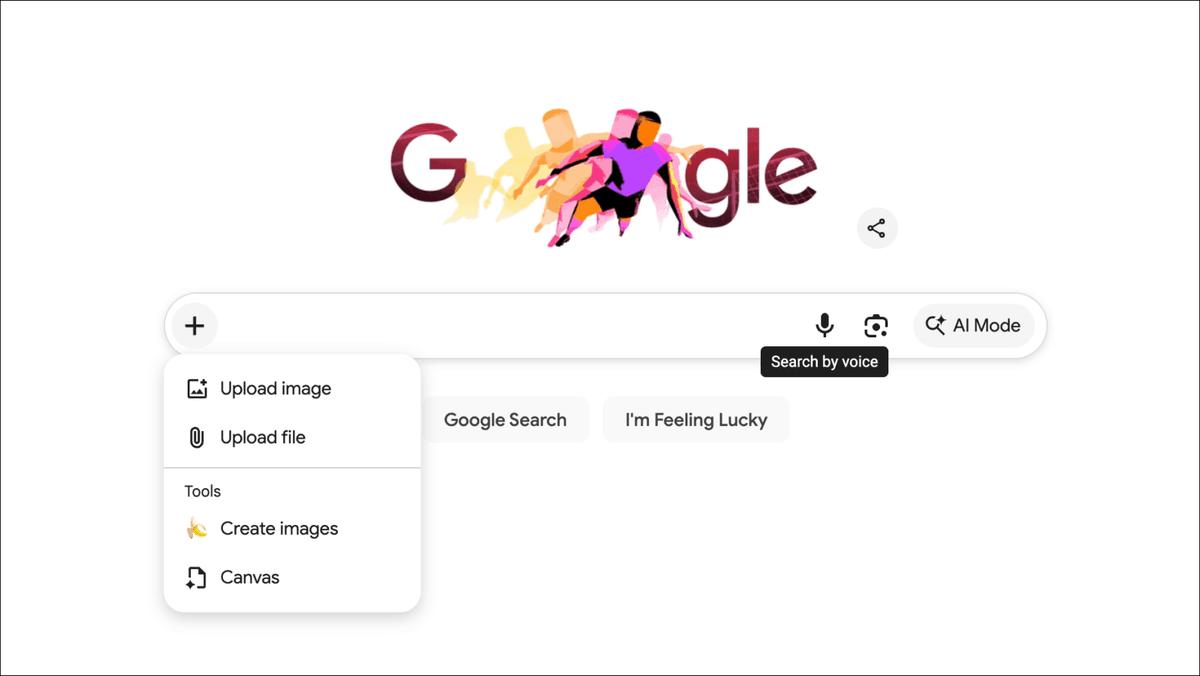
Google has introduced a privacy setting that enables the company to collect and use media you upload to its search bar—including images, audio, video, and files—for artificial intelligence training.
The change arrived via email to users beginning in early June, with notifications titled "New privacy settings for Search services." The update restructures how Google manages search-related data collection, splitting previously bundled options into distinct controls.
What changed in Google's privacy controls
Google has separated two privacy functions that were previously grouped under the Web & App Activity setting. Search Services History and Personalized Recommendations now appear as independent options within My Google Activity.
The critical change involves Search Services History, which can now save media you upload through Google Search. According to the company, this data will enhance future interactions with products like Google Lens and Search Live. However, the notification reveals a broader purpose: saved media will be "used to develop and improve Google services and technologies, including AI models and safety measures."
This language confirms that uploaded content may become training data for Google's machine learning systems.
How to disable media collection
Users who have already disabled Web & App Activity face no new exposure. Because Search Services History functions as a subset of the parent setting, it remains off when Web & App Activity is disabled.
For users with Web & App Activity enabled who want to block media collection specifically, the process requires manual action:
- Navigate to Search Services History Settings in your Google account
- Uncheck the box labeled "Save Media"
- Review the confirmation dialog explaining the changes
- Click "Turn off" to finalize
The same settings page includes a "View and delete saved history" option, allowing users to remove media Google has already collected from past search activities.
Why it matters
This change represents a significant expansion of how Google uses customer data for AI development. While the company frames the feature as improving search experiences, the explicit mention of AI model training raises questions about how uploaded content—potentially including personal photos, documents, or recordings—contributes to broader machine learning initiatives. The opt-out structure places the burden on users to actively disable collection, meaning many will unknowingly contribute media to Google's AI training datasets simply by not adjusting their settings. For organizations and individuals concerned about data privacy, this update requires immediate attention and a review of account configurations.
Source attribution
These details were first reported by TechCrunch and PCMag, which received the privacy notification emails in early June.
This is an original analysis by the Omega editorial team. Source reporting: AI Watch.
Want systems like this working for your business?
Book a Call
