Google Director Resigns Over Pentagon AI Deal, Cites Moral Concerns
René Mayrhofer left his Android security role after the company agreed to provide AI models for classified military work.
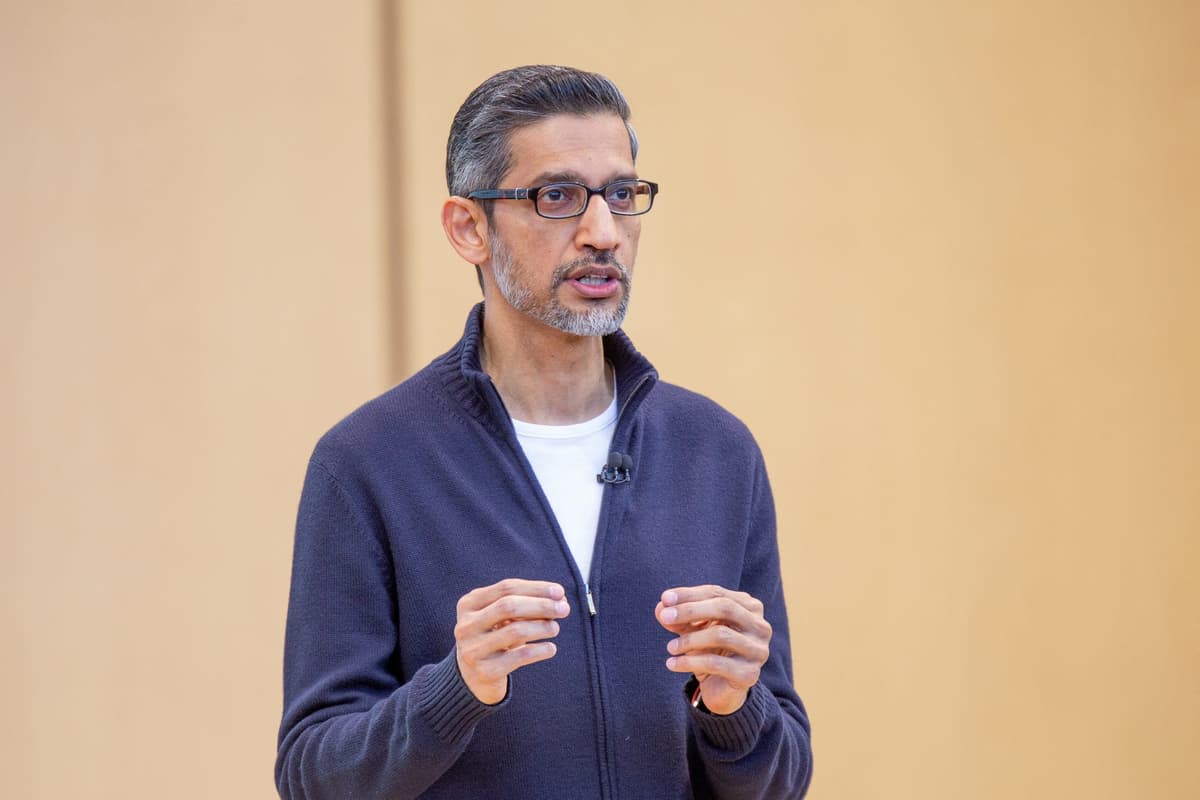
A senior Google director has resigned in protest of the company's agreement to provide artificial intelligence technology to the U.S. Department of Defense for classified operations.
René Mayrhofer, who served as director for Android platform security, announced his departure in an internal farewell note dated May 18 and titled "Google Management Has Lost Its Moral Compass." Business Insider obtained the letter and confirmed its authenticity with Mayrhofer.
The Pentagon deal that sparked the resignation
Google announced in late April that it had signed an agreement allowing the Pentagon to use its AI models for classified work, including military operations planning and intelligence gathering. The deal permits use for "any lawful purpose" under current U.S. government authority.
In his resignation letter, Mayrhofer wrote that the decision had made his departure "unavoidable." He expressed concern that such purposes have "already been repeatedly demonstrated to be in violation of international laws."
Mayrhofer also criticized Google for what he described as abandoning carbon-neutrality goals due to AI model energy consumption. He said these decisions were made by top management without internal debate or communication with employees.
Why it matters
The resignation highlights ongoing tensions between tech companies' commercial interests and employee values around military applications of AI. Google's 2018 AI principles explicitly pledged not to develop AI for weapons or surveillance tools, but the company removed those restrictions in February 2025. The departure of a director-level employee over these concerns signals that internal opposition extends beyond junior staff and could complicate Google's talent retention as it pursues defense contracts.
A pattern of employee dissent
Mayrhofer is not the first Google employee to publicly object to the Pentagon arrangement. Andreas Kirsch, a research scientist at Google DeepMind, told Business Insider in April he felt "incredibly ashamed" of the company's decision.
In his letter, Mayrhofer identified as a pacifist who decided long ago not to work for militaries engaged in offensive warfare. "Proactively harming people is not something that I can or will be involved with," he wrote.
As a tenured academic at Johannes Kepler University Linz in Austria, Mayrhofer expressed additional concern that the Pentagon deal could enable mass surveillance of European Union citizens. He referenced reports of European universities warning staff about U.S. collaborations, writing: "This deal implies that Google (AI) products will likely be used directly against me and mine."
Google's response
Google did not respond to requests for comment on Mayrhofer's resignation. A company spokesperson previously told Business Insider that Google was "proud" to participate in a consortium of AI labs supporting national security.
The spokesperson said Google "remain[s] committed to the private and public sector consensus that AI should not be used for domestic mass surveillance or autonomous weaponry without appropriate human oversight."
Mayrhofer acknowledged in his message to Business Insider that his position as a tenured EU academic gave him financial security that many colleagues lack. He said he would serve his notice period through August but would "immediately disconnect from any work on AI systems that might fall under this deal."
These details were first reported by Business Insider.
This is an original analysis by the Omega editorial team. Source reporting: AI Watch.
Want systems like this working for your business?
Book a Call
