Google commits $15B to AI data centers in Finland
The tech giant's largest European investment will fund facilities across four cities and extend the life of a nuclear power plant.
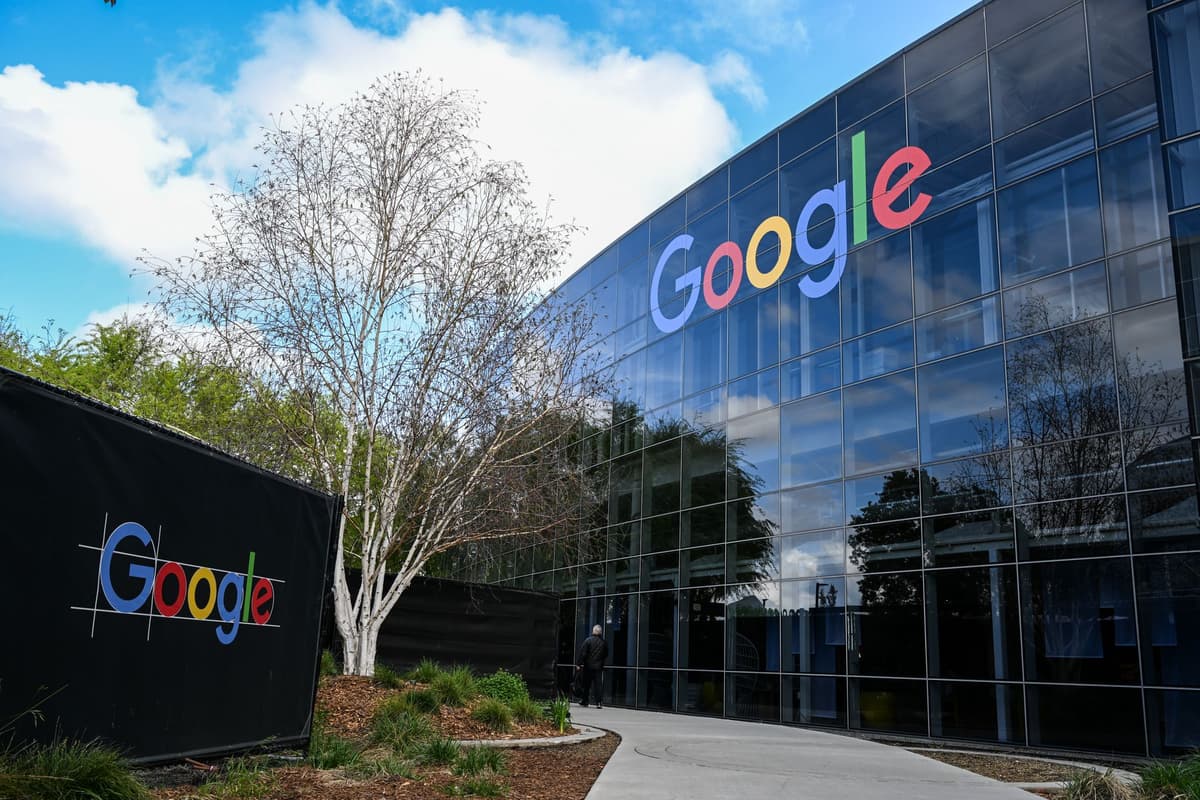
Google announced Wednesday it will invest at least €13 billion ($15.1 billion) in artificial intelligence infrastructure across Finland, marking the company's largest single investment in Europe to date.
The capital deployment will begin in 2027 and extend through 2028, funding data center construction and supporting infrastructure in four Finnish cities: Hamina, Kajaani, Muhos, and Vaala. These facilities will power Google's AI services including Gemini, along with Search, Maps, and YouTube, according to details first reported by Quartz.
Economic impact and job creation
During the construction phase, the investment is projected to contribute an average of €3.6 billion annually to Finland's GDP while supporting more than 37,000 jobs. Once operational, the data centers are expected to sustain 7,000 permanent positions with wages averaging 24% above Finland's median income.
Google has maintained a presence in Finland for over 15 years, having converted a former paper mill in Hamina into a data center in 2009. The new investment significantly expands that footprint.
Nuclear power agreement secures energy supply
A critical component of the announcement involves a 22-year life extension power purchase agreement with Finnish energy company Fortum for the Loviisa nuclear power plant. The facility currently supplies roughly 10% of Finland's electricity and employs approximately 580 workers.
Without Google's commitment, the plant would have ceased operations beyond 2030. Fortum's shares climbed 11% following the announcement, according to CNBC.
Google also signed onshore wind power purchase agreements with Valorem and Suomen Hyötytuuli, bringing its total contracted new-to-the-grid wind capacity in Finland to 629 MW. A 94 MW battery storage system near the Kajaani site is scheduled to come online in late 2027.
Strategic site selection reduces grid costs
Google worked with grid operator Fingrid and Business Finland to position new data centers in northern Finland, where existing infrastructure sits near carbon-free energy sources. A company-commissioned study found that locating 1 GW of new energy demand in the Oulu-Kajaani region rather than southern Finland could save Finnish energy consumers an estimated €520 million over 20 years.
The company committed an additional €31 million over four years to community programs in the four host municipalities, including €10 million for research and innovation. Workforce initiatives include AI skills training for more than 4,400 workers through Google.org's AI Opportunity Fund.
Why it matters
Google's investment illustrates how AI infrastructure demands are reshaping energy markets and industrial policy in Europe. By coupling data center expansion with long-term clean energy commitments, the company is addressing both computational needs and grid stability concerns. The nuclear power agreement demonstrates how hyperscale AI deployments can provide economic justification for extending the operational life of existing low-carbon baseload generation—a model that could influence energy planning decisions across other markets facing similar infrastructure constraints.
Finland Prime Minister Petteri Orpo said the investment reflects "a clear testament to our strengths" and noted that "the value of the data economy extends far beyond direct investment into spurring innovation, research, and development."
Ruth Porat, president and chief investment officer of Alphabet and Google, said the investment "underscores Google's commitment to grow our presence responsibly, pairing the expansion of our technical infrastructure with new energy capacity, grid enhancements, and energy affordability initiatives."
Details of the investment were first reported by Quartz.
This is an original analysis by the Omega editorial team. Source reporting: AI Watch.
Want systems like this working for your business?
Book a Call