Google AI Spread False Claim About Flock Camera Scrap Value
The search giant's AI Overview cited memes and cannabis Instagram posts as evidence for nonexistent precious metals inside police surveillance equipment.
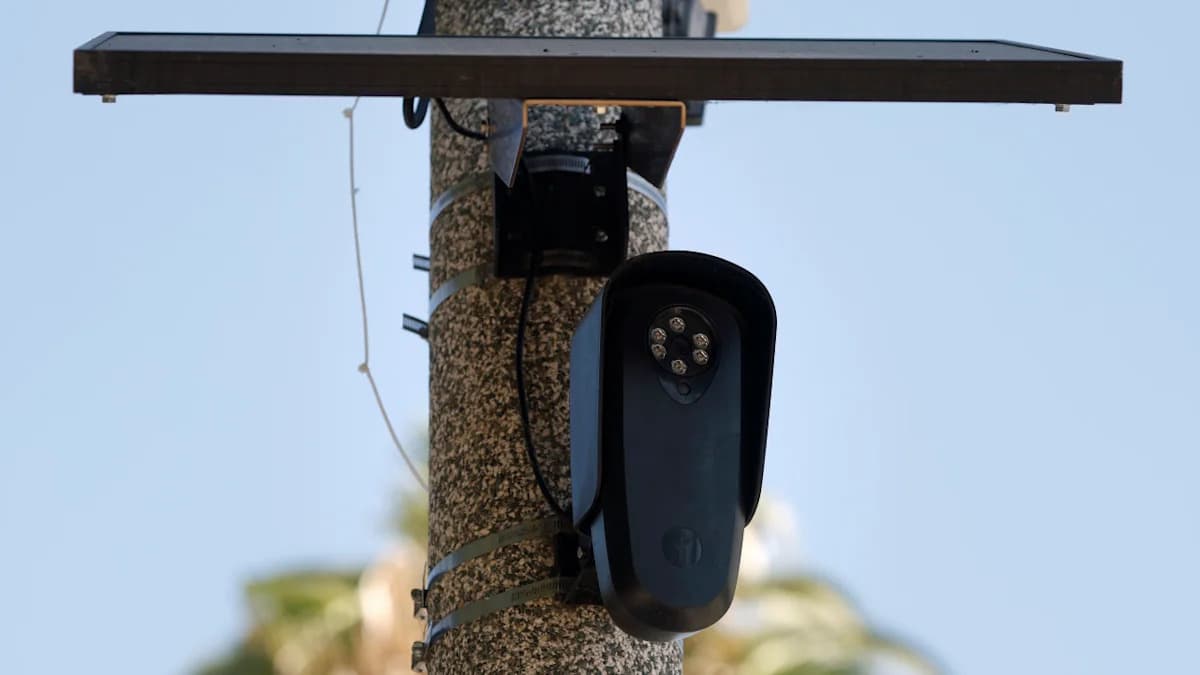
Google's AI Overview feature recently told searchers that Flock license plate reader cameras contain up to 23 pounds of copper and several grams of gold—worth roughly $650 at current prices. The claim was completely false, originating from an internet joke that Google's system mistook for factual information.
Flock cameras, which photograph license plates and feed data into police databases, have attracted criticism from privacy advocates. As part of that opposition, a running joke emerged online suggesting the cameras could be stripped for scrap metal. The gag was never meant as genuine advice—Flock cameras weigh approximately three pounds total, making 23 pounds of copper physically impossible.
How the misinformation spread
When users searched "how much gold does a Flock camera have" as recently as August 5, Google's AI Overview provided what appeared to be authoritative information. The system claimed each camera contained 1 to 5 grams of gold in circuit boards and wiring, alongside the copper.
The sources behind this answer reveal a fundamental problem with AI-generated search results. Google cited two references: an anonymous Substack post from an account called "do.not.obey.do.not.comply" that admitted its figures came from "estimates based on scrap-value discussions," and an AI-generated Instagram post from an account primarily focused on cannabis cultivation.
Neither source provided actual evidence or technical specifications. One openly acknowledged guessing, while the other was itself AI-generated content.
The correction
Google did not respond to requests for comment from Futurism, which first reported the incident. However, by August 6, the AI Overview had reversed course. The updated answer now correctly states that the copper claim cannot be true given the camera's three-pound total weight, that any gold present would be trace amounts, and that the rumors "come from internet memes and AI hallucinations, not facts."
The correction creates an unusual situation: Google's AI is now debunking misinformation that Google's own AI previously amplified.
Why it matters
This incident highlights critical vulnerabilities in AI-powered search features that place generated answers above traditional web results. When AI systems cannot distinguish internet jokes from factual technical specifications, they risk spreading misinformation with the implicit authority of a major search platform. The episode also demonstrates how AI-generated content can create circular citation problems—AI posts become sources for other AI systems, with no human verification in the loop. For enterprise leaders evaluating AI tools, the case underscores the continued need for human oversight and source verification, particularly when AI outputs will reach large audiences or inform consequential decisions.
The details of this incident were first reported by Joe Wilkins at Futurism and Skye Jacobs at TechSpot.
This is an original analysis by the Omega editorial team. Source reporting: AI Watch.
Want systems like this working for your business?
Book a Call