Goldman Sachs: AI Capex Won't Sustain S&P 500 Earnings Growth
The bank's strategists warn that semiconductor margin pressures and cooling investment income will drag on market performance through 2027.
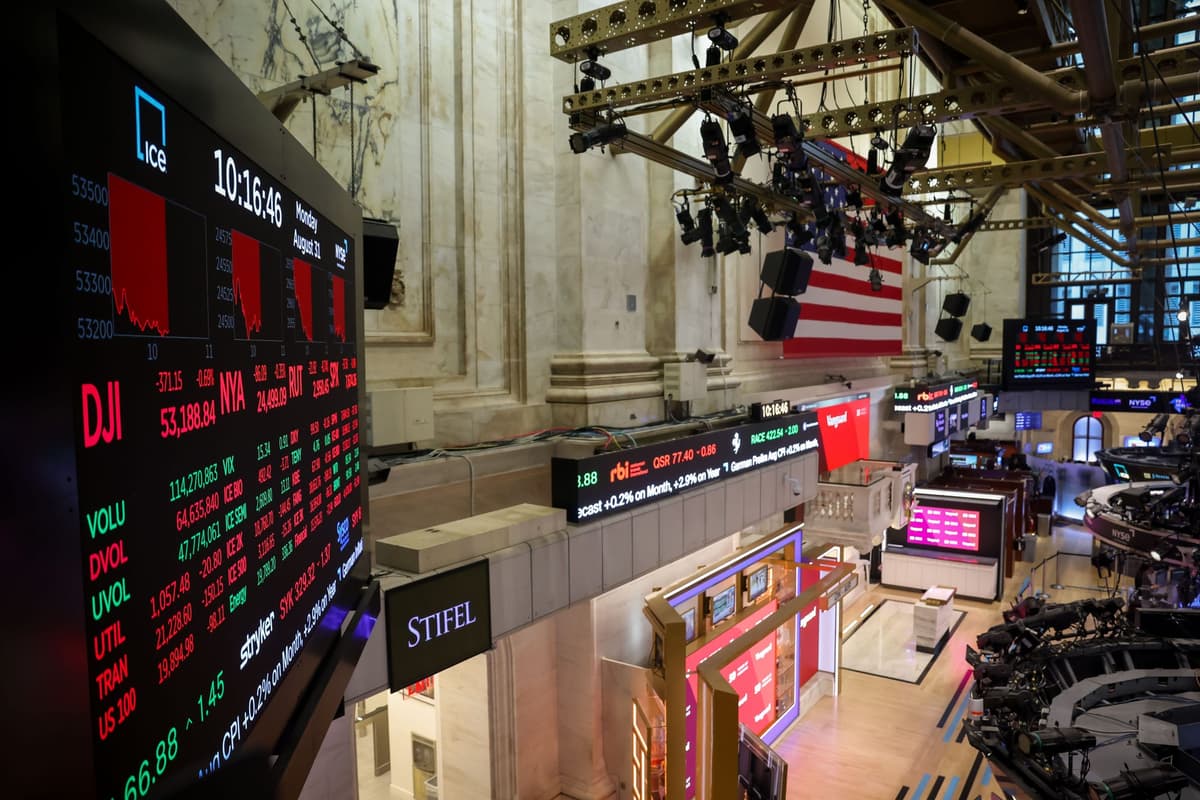
AI investment has driven nearly half of this year's S&P 500 earnings growth, but Goldman Sachs strategists now warn that momentum is poised to fade even as capital expenditure continues climbing.
Ben Snider, Goldman's chief US equity strategist, outlined a sobering outlook for equity markets through 2027 in a Thursday note to investors. His team's analysis suggests the AI infrastructure boom that propelled tech stocks higher is approaching an inflection point where spending growth alone won't translate to sustained earnings expansion.
"The AI investment boom has accounted for nearly half of S&P 500 earnings growth this year, and this tailwind should begin to fade next year even as capex spending continues to grow," Snider wrote, according to details first reported by Business Insider.
Semiconductor margins face pressure
The core of Goldman's concern centers on chipmakers, which have captured outsized profits from the AI buildout. Since late 2022, semiconductor stocks have surged on a combination of extreme demand from hyperscalers and constrained supply. That dynamic enabled aggressive pricing and margin expansion.
Now Goldman's industry analysts expect supply conditions to remain tight through 2027, but anticipate the rate of margin growth will decelerate starting next year. Snider warned that any scenario involving slower AI infrastructure investment, increasing chip supply, or technological shifts could compress semiconductor prices and profit margins—directly undermining S&P 500 earnings per share growth.
"The recent surge in semiconductor profit margins leaves S&P 500 earnings vulnerable to a decline in chip prices," he stated.
Goldman previously flagged that AI chip prices had reached problematic levels and predicted the US would bear the brunt of AI-driven inflation pressures.
Investment income tailwind disappears
Snider identified a second factor that has artificially boosted Big Tech earnings: paper gains from private investments that companies report as "other income." While these unrealized gains appear on income statements, they don't represent actual cash generation.
Goldman expects this contribution to shrink dramatically in 2027. Complete removal of this other income category would create an eight percentage point drag on S&P 500 earnings growth next year relative to 2026, holding all other factors constant.
Why it matters
This analysis challenges the prevailing narrative that continued AI capital spending guarantees strong equity returns. For technology leaders and investors, it highlights a critical distinction: infrastructure investment growth doesn't automatically translate to proportional earnings expansion, especially when margin compression and accounting adjustments come into play. Companies planning AI strategies should recognize that the easy gains from the initial buildout phase may be ending, requiring more disciplined approaches to capture value from AI deployments.
The details were first reported by Business Insider.
This is an original analysis by the Omega editorial team. Source reporting: AI Watch.
Want systems like this working for your business?
Book a Call