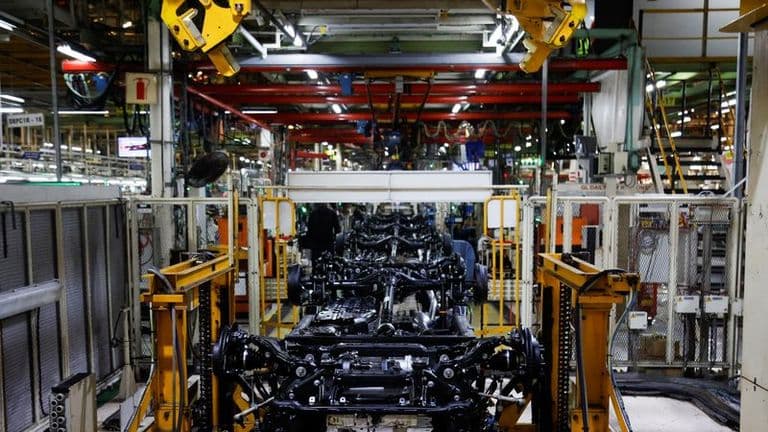
GM deploys collaborative robots at Factory Zero amid UAW tension
The automaker is adding dozens of cobots to assembly lines at the Detroit plant where more than 1,000 workers have been laid off.
General Motors is deploying dozens of collaborative robots — known as cobots — on assembly lines at its Factory Zero facility in Detroit, a move that has drawn sharp criticism from the United Auto Workers union, according to Crain's Detroit Business.
The robot installations come as the plant has eliminated more than 1,000 jobs, creating friction between the automaker and organized labor over the role of automation in manufacturing facilities.
What cobots bring to the factory floor
Collaborative robots differ from traditional industrial robots in their design for direct interaction with human workers. These robotic arms can perform repetitive tasks alongside people without the safety caging required for conventional automation. Factory Zero, GM's electric vehicle manufacturing hub in Detroit, is now integrating these systems into its production processes.
The timing of the cobot deployment has amplified union concerns. With more than 1,000 workers laid off from the same facility, the UAW views the automation expansion as a direct threat to manufacturing employment. The union has expressed anger over what it sees as machines replacing human labor during a period of workforce reduction.
Why it matters
This dispute highlights a fundamental tension in American manufacturing: automakers face pressure to reduce costs and increase efficiency through automation, while unions fight to preserve jobs in an industry already transformed by the shift to electric vehicles. The outcome at Factory Zero could set precedents for how automation and workforce agreements are negotiated across the automotive sector, particularly as EV production requires fewer assembly workers than traditional vehicles.
Labor relations in the automation era
The Factory Zero situation represents a test case for how automation clauses in labor contracts will be interpreted and enforced. GM's decision to add cobots while reducing headcount raises questions about whether such deployments violate the spirit, if not the letter, of agreements designed to protect workers from technology-driven displacement.
For automotive manufacturers, collaborative robots offer precision, consistency, and the ability to handle ergonomically challenging tasks. For workers and their representatives, the same technology represents job insecurity and the erosion of middle-class manufacturing employment.
The UAW's response to the Factory Zero cobots will likely influence how other automakers approach similar automation decisions at unionized plants. With electric vehicle production ramping up across the industry, the balance between technological advancement and workforce stability remains unresolved.
These details were first reported by Crain's Detroit Business.
This is an original analysis by the Omega editorial team. Source reporting: Automation Watch.
Want systems like this working for your business?
Book a Call