German AI Drones See Combat in Ukraine Despite Early Setbacks
Helsing's HX-2 drones are being refined under fire as Ukrainian forces test AI-assisted targeting on the eastern front.
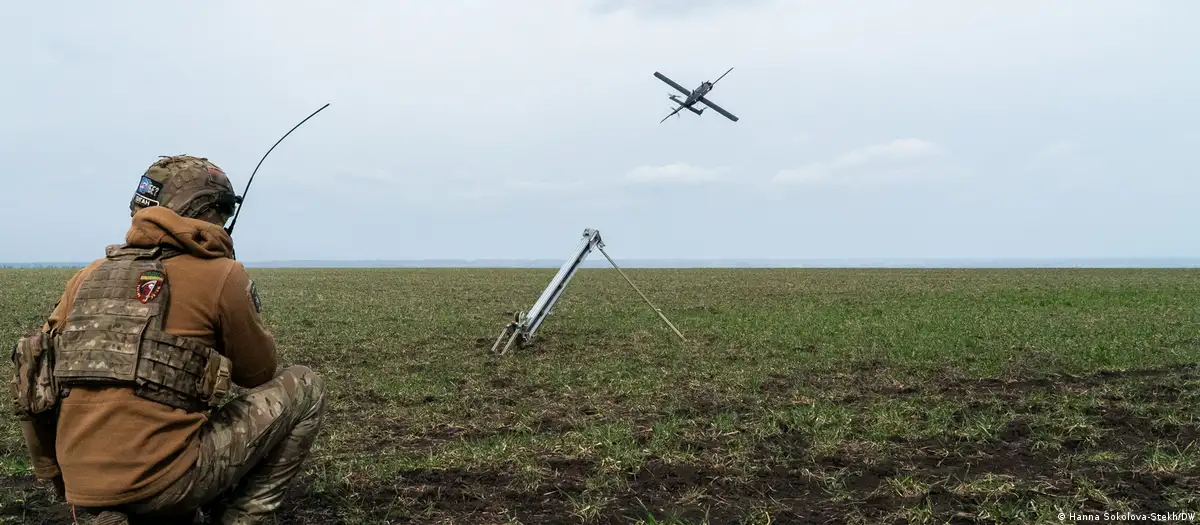
German AI drones deployed in Ukraine's Donbas
Ukrainian forces are operating AI-equipped combat drones from German manufacturer Helsing on the eastern front, where technical performance is being tested under live fire conditions. The HX-2 model, supplied by the Bavarian startup with German government funding, represents one of the first large-scale deployments of AI-assisted targeting systems in modern warfare.
According to reporting by DW, a Ukrainian drone crew near Pokrovsk is using the HX-2 to strike Russian logistics routes as Moscow's forces advance through the Donbas coal region. The crew operates from a forested position, launching the drones via catapult while monitoring for Russian counter-drone activity.
Why it matters
This deployment offers rare insight into how AI targeting systems perform under wartime conditions—including electronic warfare, adverse weather, and rapid iteration cycles. The challenges Ukrainian operators face illuminate the gap between laboratory development and battlefield reliability, a critical consideration as Western militaries accelerate AI weapon procurement. Germany's armed forces recently awarded Helsing a multimillion-euro contract based partly on these field tests.
Mixed results in early combat use
The HX-2's battlefield record shows both promise and persistent issues. Commander Black, the pilot leading the crew DW observed, noted that the drone's AI can independently identify targets, though it cannot determine whether a target has already been destroyed. The system still requires human confirmation before engaging.
During one observed mission, the HX-2 failed to launch initially due to motor problems and connection issues with the ground station. The crew aborted the flight after weather conditions deteriorated. A subsequent mission successfully struck a truck under better conditions.
Oleksandr Karpyuk, senior sergeant of the unit, reported that Helsing's earlier HF-1 model now achieves over 50% hit rates in the Pokrovsk area after the manufacturer responded to operator feedback. The HX-2 is still being adapted to frontline conditions, particularly evolving Russian electronic warfare measures.
Technical advantages and vulnerabilities
Ukrainian operators cite specific design features that differentiate the HX-2 from Russian systems. Unlike the Lancet kamikaze drone, which uses a rear-mounted pusher motor, the HX-2 employs four forward-facing motors. This configuration provides greater maneuverability and speed, making the drone harder to intercept, according to Commander Black.
However, the system remains vulnerable to electronic warfare—a limitation shared with most drone platforms. The Ukrainian crew identified additional shortcomings they declined to disclose publicly, pending a visit from Helsing representatives.
Scale of deployment
Helsing initially contracted to deliver 4,000 of its simpler HF-1 model, developed with a Ukrainian partner. In early 2025, the company announced delivery of an additional 6,000 HX-2 drones. When contacted by DW in late April, Helsing stated that insufficient numbers have been deployed to allow "a fundamental assessment of performance under wartime conditions" and declined to provide current hit rate data.
Early 2025 reports in German media, including Die Welt, cited Ukrainian soldiers identifying technical problems during 2024 test deployments, including drones that were not flight-ready or crashed shortly after takeoff. Helsing disputed those accounts at the time.
Despite ongoing technical challenges, Karpyuk said his unit would continue working with the platform, noting that Russian forces currently lack a comparable system.
These details were first reported by DW.
This is an original analysis by the Omega editorial team. Source reporting: AI Watch.
Want systems like this working for your business?
Book a Call