G7 AI Summit Spotlights Europe's Push for Tech Independence
OpenAI, Google DeepMind, and Anthropic chiefs meet with policymakers as recent U.S. export controls fuel sovereignty concerns.
G7 convenes AI industry leaders amid sovereignty debate
The final day of this week's Group of Seven summit in France brought artificial intelligence to center stage, with chief executives from OpenAI, Google DeepMind, and Anthropic joining government leaders for discussions on safe AI deployment. The gathering comes as European nations intensify efforts to build domestic AI capabilities and reduce reliance on American technology platforms.
Sam Altman, Demis Hassabis, and Dario Amodei participated in a working lunch focused on ensuring safe and effective AI deployment. They were joined by leaders from smaller AI companies including Canada's Cohere AI, France's Mistral, Germany's Black Forest Labs, Italy's Domyn, Japan's Sakana AI, and U.K.-based Synthesia, according to the Associated Press.
Recent U.S. restrictions amplify concerns
The meeting takes place against the backdrop of a recent incident that crystallized European anxieties about AI dependence. Last week, Anthropic suspended access to its most advanced models, Fable 5 and Mythos 5, following a Trump administration order citing national security concerns. The directive prohibited any non-Americans from accessing these models, forcing the company to cut off all customers globally.
Zach Meyers, director of research at Brussels-based think tank CERRE, told the AP the episode demonstrated how Europe and other regions "can be put in an extremely vulnerable position" when access to advanced AI systems is suddenly restricted.
Policy responses accelerate
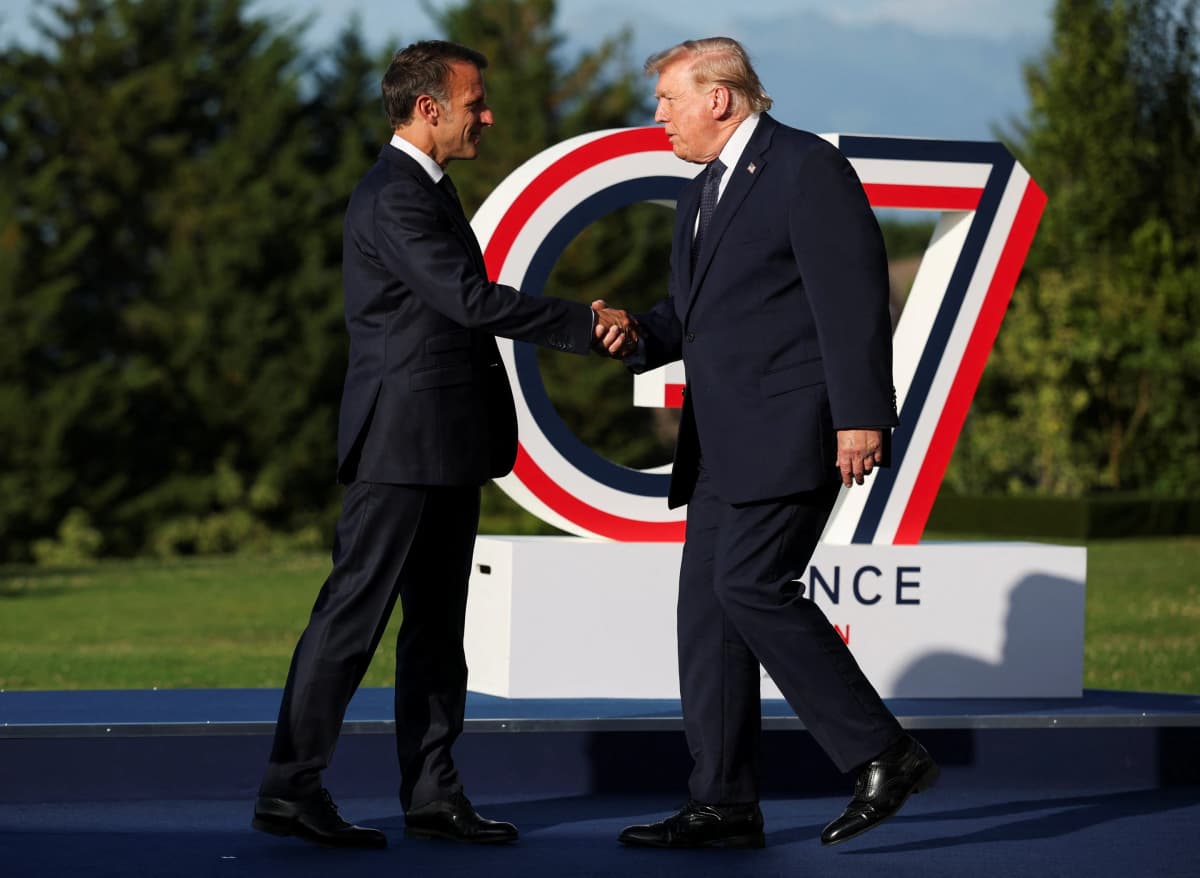
The European Commission unveiled a tech sovereignty package this month designed to strengthen homegrown AI development. French President Emmanuel Macron, hosting the G7 summit, has championed digital sovereignty for years—his government recently mandated that civil servants use domestic video conferencing systems instead of Zoom or Microsoft Teams.
Canadian Prime Minister Mark Carney addressed the issue en route to the summit, stating that sovereignty requires "unhindered access to AI." Canada announced plans earlier this month to help middle powers develop alternatives to dominant AI players.
Aidan Gomez, CEO of Cohere—which acquired German AI startup Aleph Alpha this year—said the company aims to "expand our sovereign AI ecosystem partnerships beyond Canada and Germany to include all G7 nations," establishing standards that guarantee ownership of models, data, and local computing infrastructure.
Why it matters
The convergence of AI executives and G7 leaders signals a fundamental shift in how nations view artificial intelligence—not just as a commercial technology but as critical infrastructure requiring domestic control. As AI systems become embedded in everything from healthcare to defense, countries face a strategic choice: accept dependence on foreign platforms or invest heavily in building independent capabilities. The recent Anthropic incident transformed an abstract policy concern into a concrete demonstration of vulnerability, likely accelerating government investment in domestic AI development across Europe and allied nations.
These details were first reported by the Associated Press.
This is an original analysis by the Omega editorial team. Source reporting: AI Watch.
Want systems like this working for your business?
Book a Call