Frequent AI Chatbot Users More Likely to Believe Vaccine Myths
A new poll finds correlation between weekly AI health queries and acceptance of debunked claims about MMR vaccines and autism.
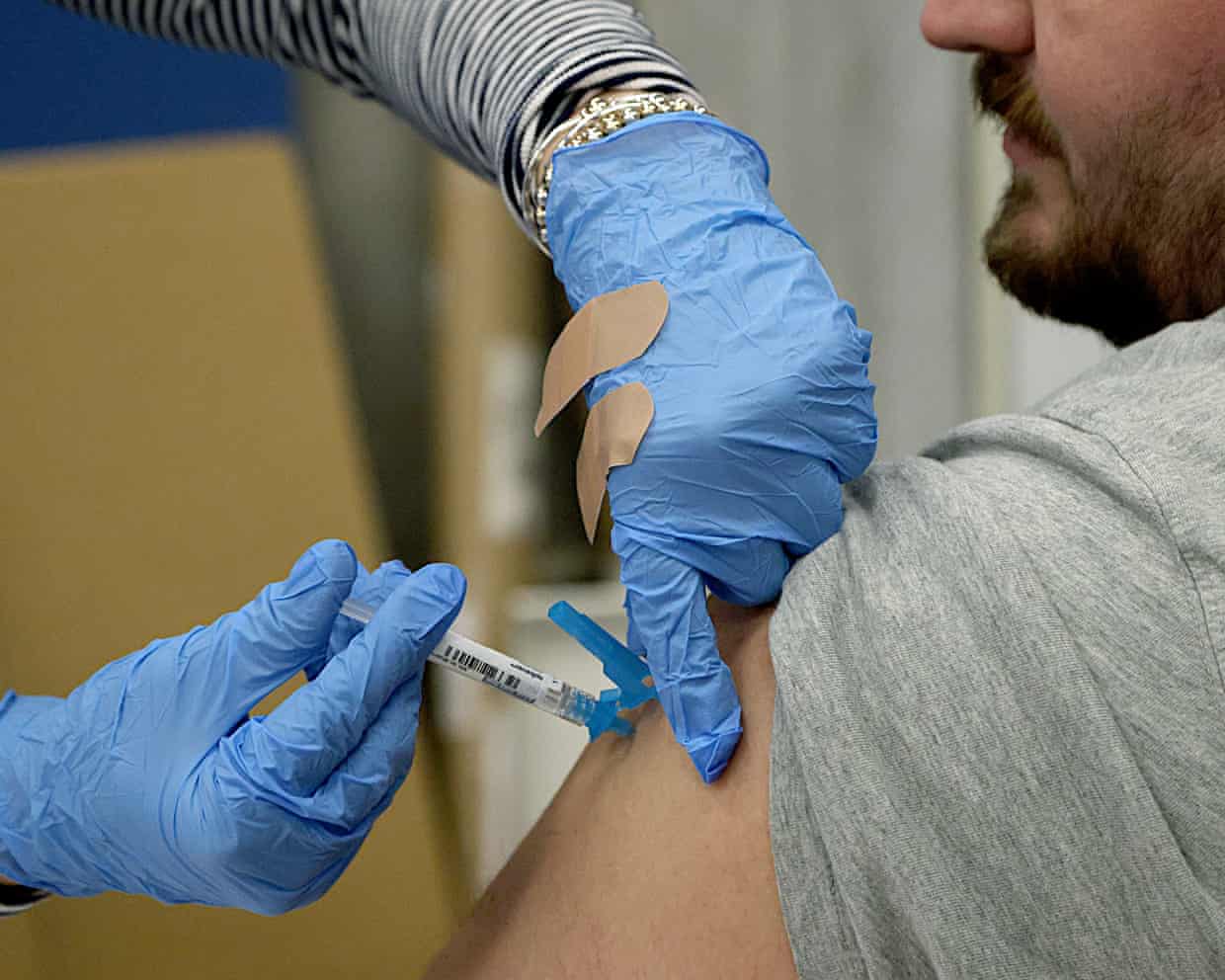
AI Health Queries Linked to Vaccine Misinformation
Americans who regularly turn to artificial intelligence chatbots for health guidance show significantly higher rates of belief in vaccine misinformation compared to those who don't use AI for medical questions, according to new polling data from health research organization KFF.
The survey, conducted in May with 2,480 US adults, revealed that 35% of weekly AI health tool users believe the debunked claim that measles, mumps and rubella (MMR) vaccines cause autism in children. Among adults who never use AI for health information, only 20% hold this false belief. The correlation persisted even when researchers controlled for age, race, education level and political affiliation.
Why it matters
As AI companies report hundreds of millions of weekly health queries and roughly one-third of US adults now seek medical advice from chatbots, the technology's potential to amplify medical misinformation poses serious public health risks. This comes at a moment when vaccine hesitancy has gained institutional footing, with anti-vaccine advocate Robert F. Kennedy Jr. now serving as US health secretary.
Pattern Extends to Other Vaccine Myths
The misinformation gap extended beyond the autism claim. Among frequent AI users for health matters, 29% incorrectly believe mRNA vaccines can alter human DNA, compared to 20% of non-users. Additionally, 22% of regular AI health tool users think the measles vaccine poses greater danger than measles itself—versus 15% of those who don't consult AI for health guidance.
The autism-vaccine myth gained traction after the Lancet published a study in the 1990s that was later fully retracted when its findings were proven false. Multiple subsequent studies have refuted the claim, yet it remains a cornerstone of anti-vaccine messaging.
Social Media Shows Similar Correlation
Social media platforms demonstrated an even stronger association with vaccine misinformation. Adults who use social media for health information at least weekly were more than twice as likely as non-users to believe the MMR-autism myth (37% versus 16%).
The poll identified demographic differences in where people seek health information. Lower-income individuals and those without college degrees more frequently turn to social media, while households earning above $90,000 annually and college-educated adults show higher rates of AI chatbot consultation.
AI Companies Acknowledge Health Query Volume
AI developers have recognized the prevalence of medical questions. OpenAI stated in January that health represents "one of the most common ways people use ChatGPT," with hundreds of millions of weekly health and wellness queries. The company announced a specialized ChatGPT Health tool in response to this demand.
The KFF survey did not identify which specific AI models respondents used. Different chatbots produce varying levels of misinformation based on their training data and company policies regarding controversial topics.
This pattern mirrors long-established search engine behavior, where approximately 5% of all Google searches involve health topics and 77% of people use search engines when researching new diagnoses, according to 2025 Georgetown University research.
The findings were first reported by The Guardian.
This is an original analysis by the Omega editorial team. Source reporting: AI Watch.
Want systems like this working for your business?
Book a Call
