French AI Startup ZML Ships Free Inference Tool for Multi-Chip Use
Paris-based company's new server aims to unlock peak performance across Nvidia, AMD, Google TPU, and emerging chipmakers.
Multi-chip inference software enters the market
ZML, a Paris-based AI infrastructure startup, has released a free inference server designed to run open-source large language models at peak performance across competing chip architectures. The product, called ZML/LLMD, supports hardware from Nvidia, AMD, Google's TPU, Apple Metal, and Intel Arc.
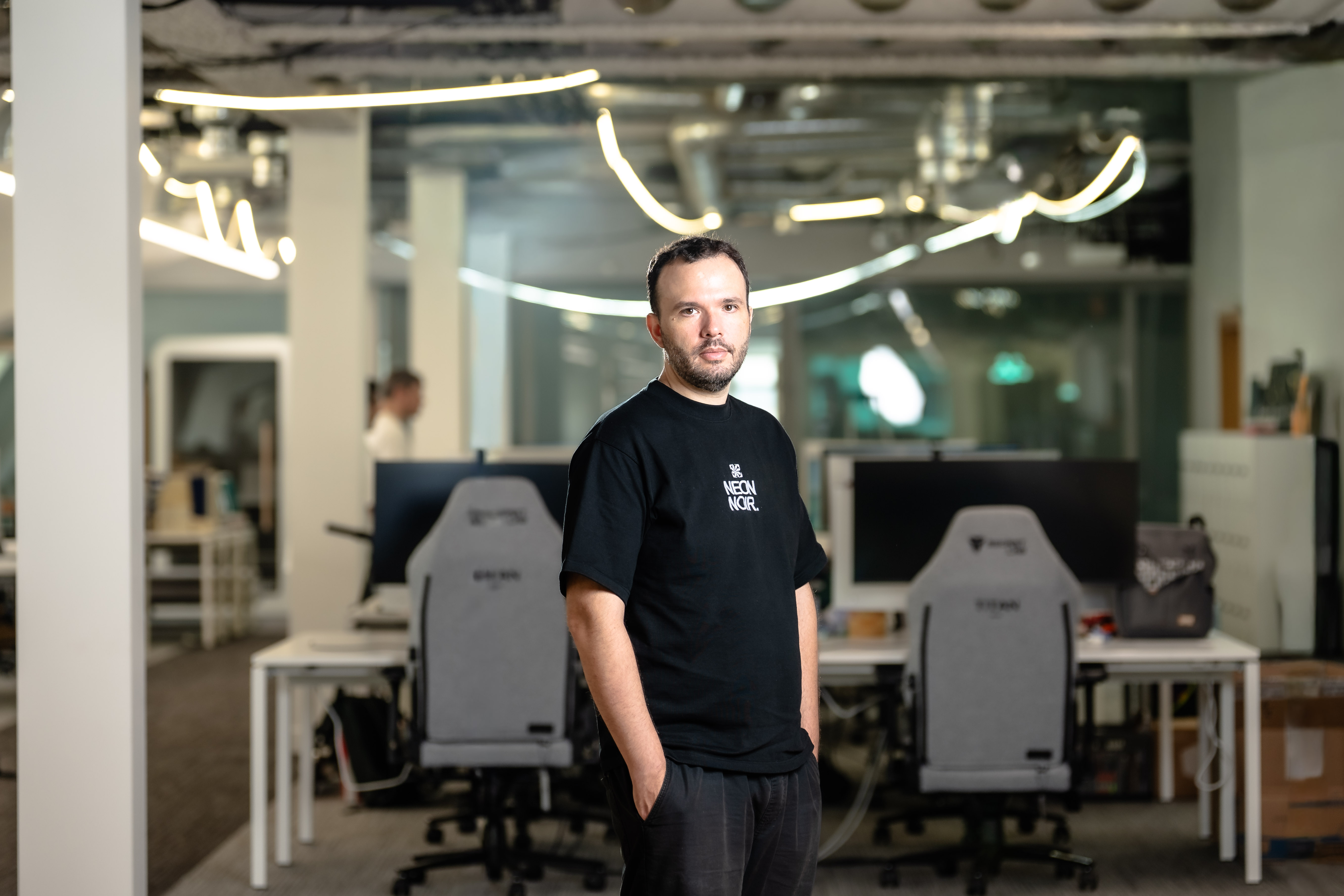
Founder Steeve Morin told TechCrunch that the software aims to eliminate vendor lock-in and architectural barriers that currently fragment AI deployment options. The company's goal is to let enterprises and cloud providers mix chip types based on cost, energy consumption, or availability rather than being constrained by software compatibility.
Why it matters
As inference workloads grow faster than training in enterprise AI deployments, the ability to optimize performance across diverse hardware could significantly reduce operational costs and energy use. Breaking chip vendor lock-in also creates competitive pressure on pricing and may accelerate adoption of specialized AI accelerators from smaller manufacturers.
Funding and technical approach
ZML raised $20 million from investors including 20VC, Kima Ventures, LocalGlobe, and Puzzle Ventures. The cap table includes notable technical founders: Solomon Hykes of Docker and Dagger, Hugging Face co-founders Clément Delangue and Julien Chaumond, and Turing Award winner Yann LeCun, who now works with AMI Labs.
Morin, previously VP of engineering at Zenly before its nine-figure acquisition by Snapchat in 2017, leads a team of 20 people. He said the startup has reached a stage where it co-designs silicon with chipmakers.
The new inference server differs from ZML's first public release—an ML framework launched in 2024 and updated in March—in that it is not open source. Morin said the company is releasing it free initially to measure usage patterns before determining a revenue model.
Competitive landscape and chip diversity
ZML enters a crowded inference optimization market alongside Baseten, recently valued at $13 billion, as well as Inferact (from the creators of vLLM) and RadixArk (behind SGLang). Both vLLM and SGLang overlap with LLMD's capabilities, though Morin positions ZML's scope as broader.
The software may particularly benefit European AI chip startups including Axelera, Fractile, Kalray, OLIX, Q.ANT, SiPearl, SpiNNcloud, and VSORA. Morin emphasized that geographic origin matters less than the opportunity to work on novel technical challenges.
Despite building software that reduces dependence on any single vendor, Morin said ZML maintains a positive relationship with Nvidia, acknowledging the company's existing supply advantages and its own investments in inference optimization.
Morin noted that building ZML required the Paris ecosystem, stating he couldn't have created the company elsewhere. The comment underscores Europe's growing infrastructure for AI startups that can compete globally without relocating.
These details were first reported by TechCrunch.
This is an original analysis by the Omega editorial team. Source reporting: AI Watch.
Want systems like this working for your business?
Book a Call