France Drops Palantir for Domestic AI to Avoid US Dependency
Prime Minister Sébastien Lecornu announces multi-year transition to French firm ChapsVision for intelligence data tools as European concerns over American tech reliance deepen.
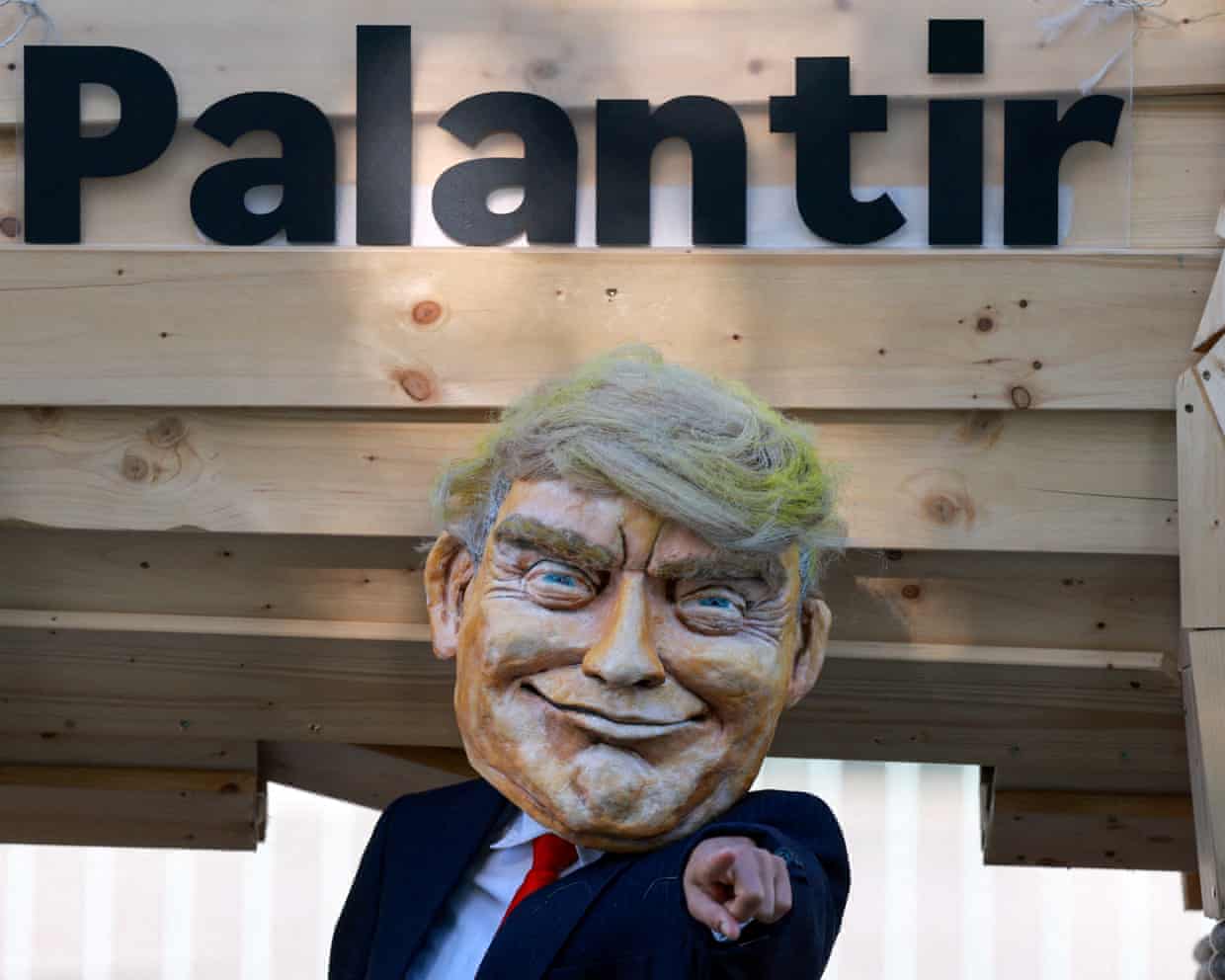
France's domestic intelligence agency will phase out data analysis tools from American firm Palantir Technologies in favor of a French alternative, Prime Minister Sébastien Lecornu announced, marking a significant shift in European attitudes toward reliance on US-controlled technology infrastructure.
The DGSI intelligence service will transition to ChapsVision, a French company founded in 2019, though the process will take several years since Palantir's contract was renewed in 2025, according to details first reported by The Guardian.
Why it matters
The decision reflects mounting European anxiety about strategic vulnerability in critical technology infrastructure. Washington's recent restriction on foreign access to Anthropic's latest AI model has amplified concerns that governments relying on American AI systems could face sudden capability cutoffs during geopolitical tensions—a risk intelligence agencies cannot afford.
Strategic autonomy drive
"We must use our own AI models; we cannot accept new strategic dependencies in the digital sphere," Lecornu wrote on social media. "We cannot rely on tools developed by foreign powers. France must have its own tools."
The prime minister emphasized France must "build real autonomy" and "not depend on the goodwill of certain partners, who are capable of turning off the access tap" for artificial intelligence capabilities.
ChapsVision, which generated €200 million in revenue in 2025 compared to Palantir's $4.5 billion, said it would become the "technological foundation" for "many public agencies for their critical data processing needs." Germany's BfV internal security service has reportedly also selected ChapsVision's technology.
Broader European retreat from Palantir
France's move follows similar decisions across Europe. Germany's military announced it will no longer use Palantir products, while Britain is reviewing the National Health Service's £330 million data contract with the company following political pressure.
London Mayor Sadiq Khan blocked a proposed £50 million Palantir contract with the Metropolitan Police on procurement and value grounds, prompting the company to threaten legal action.
Campaign groups have raised concerns about Palantir's products regarding surveillance capabilities, individual freedoms, and data protection. The company, co-founded by Peter Thiel, a Trump ally, has worked with US Immigration and Customs Enforcement and provided targeting support in the US-Israel conflict with Iran.
Palantir maintains it simply provides data-processing services and said it would "continue to support the French government wherever its solutions are needed."
Broader AI investment
Lecornu announced France plans to invest €655 million in artificial intelligence, funding infrastructure, computing capacity, research, and industrial development. The government will establish a shared chatbot for all state services and create a public health chatbot for state-owned health insurer Ameli.
France has already begun deploying a government AI tool built on French startup Mistral AI's models to 1 million of its 2.6 million civil servants, designed to accelerate legal cases and help researchers secure grants while reducing security risks from commercial AI tools.
Details were first reported by The Guardian, with contributions from Reuters and Agence France-Presse.
This is an original analysis by the Omega editorial team. Source reporting: AI Watch.
Want systems like this working for your business?
Book a Call