Ford Rehires Veteran Engineers After AI Tools Fall Short
The automaker learned that artificial intelligence couldn't replace decades of human expertise in catching quality issues before production.
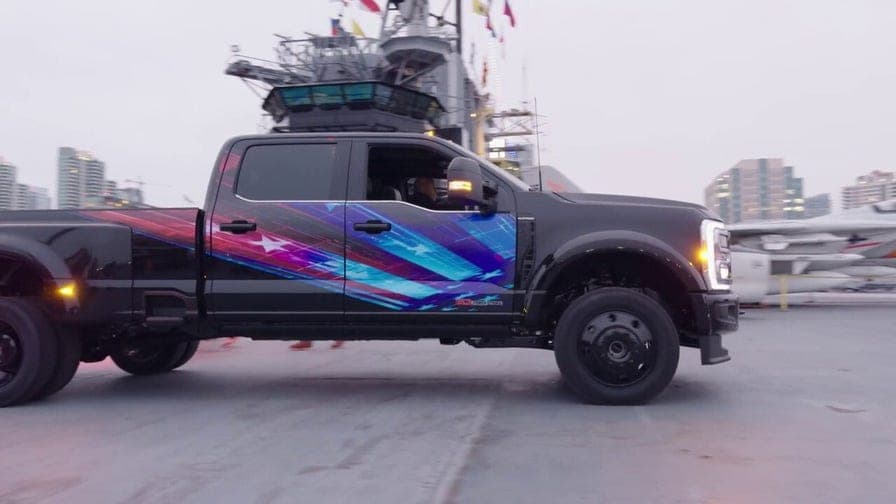
Ford reverses course on AI-driven quality control
Ford Motor Company has brought back approximately 300 veteran engineers over the past few years after discovering that artificial intelligence tools couldn't adequately replace human expertise in identifying and preventing vehicle quality issues.
The strategic shift helped Ford claim the top spot in JD Power's 2025 U.S. Initial Quality Study for the first time in 16 years, according to details first reported by Bloomberg. The automaker's experience offers a cautionary tale about the limitations of AI in complex manufacturing environments where institutional knowledge matters.
Why it matters
Ford's course correction reveals a critical lesson for enterprises rushing to deploy AI: the technology requires deep domain expertise to function effectively, and replacing experienced workers before capturing their knowledge can create gaps that algorithms can't fill. The company's improved quality rankings and reduced warranty costs demonstrate that the most effective approach may be augmenting human expertise rather than replacing it.
What went wrong with AI implementation
"Mistakenly, we thought that by just introducing artificial intelligence and ingesting the design requirements that we had, that would produce a high quality product," Charles Poon, Ford's vice president of vehicle hardware engineering, said on a press call Wednesday.
The problem wasn't the AI technology itself, but rather how Ford deployed it. The company let veteran technicians leave before their decades of production knowledge could be used to train the AI systems. Without that experiential foundation, the algorithms lacked the nuanced understanding needed to catch potential failure points in vehicle designs.
"Over prior years, we didn't pay as much attention as we should have to the experience of our most knowledgeable engineers that have been with us through many product cycles," Poon acknowledged.
The new approach: humans auditing AI
The 300 rehired engineers now work outside daily production schedules, functioning as internal auditors who conduct mandatory weekly design reviews. Their role is to identify and eliminate potential problems before blueprints reach the factory floor—exactly the kind of preventive work Ford had hoped AI could handle independently.
"We recognized that for us to enhance some of our automation and machine learning and artificial intelligence tools, we needed to ensure that they were trained by the most experienced individuals," Poon explained.
Measurable business impact
The strategy is delivering concrete financial results. Ford CEO Jim Farley told Bloomberg TV that spending on warranty coverage and recalls has declined, reducing costs and improving the company's bottom line.
Ford Chief Operating Officer Kumar Galhotra said the experienced engineers and technical specialists were "at the heart" of efforts to improve production quality by addressing process issues before they become embedded in workflows.
The quality improvements extend across Ford's lineup. Seven of the company's top 10 models now rank in the top three of their respective segments in the JD Power study, including the F-150, Mustang, and Super Duty, which each topped their categories for the second consecutive year.
Bloomberg first reported these details.
This is an original analysis by the Omega editorial team. Source reporting: AI Watch.
Want systems like this working for your business?
Book a Call