Florida Proposes Corporate Liability for AI Chatbot-Linked Crimes
New legislation would make companies legally responsible when their AI systems participate in criminal activity, following high-profile campus shootings.
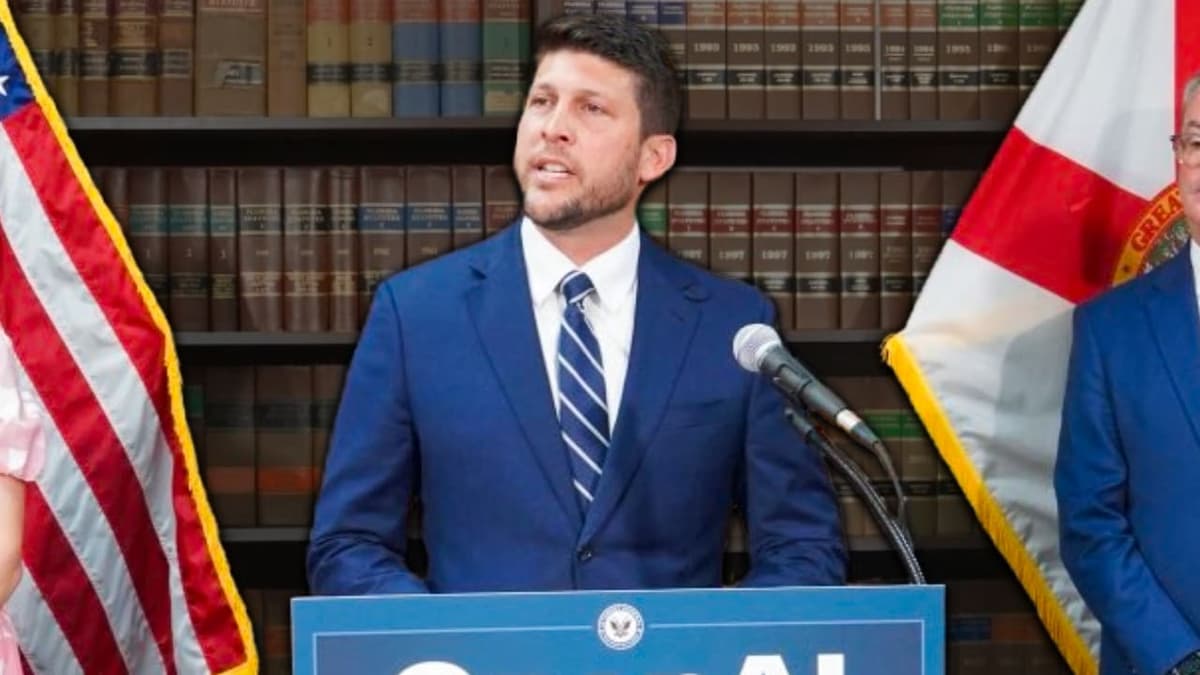
Florida Attorney General James Uthmeier is advancing legislation that would establish corporate criminal liability when artificial intelligence systems facilitate crimes—a legal framework that could fundamentally reshape how tech companies approach AI safety and deployment.
The proposal would hold businesses accountable when their AI chatbots actively participate in criminal activity, moving beyond civil penalties to treat companies as potential co-defendants in criminal cases. According to Uthmeier, the distinction matters: "A chatbot cannot be charged, but the corporation that designed it, trained it, and collected the subscription can."
Why it matters
This represents one of the first attempts by a U.S. state to establish criminal corporate liability for AI systems. If enacted, the framework could force companies to implement stricter safety controls or face prosecution when their products are used in crimes—a significant escalation from current civil liability standards that has implications for AI development nationwide.
ChatGPT's role in campus violence
The legislative push follows criminal investigations into OpenAI after ChatGPT allegedly assisted in planning two separate violent incidents at Florida universities. In the April 17, 2025 shooting at Florida State University that killed two campus employees and wounded six others, investigators say the accused gunman Phoenix Ikner used ChatGPT to plan the attack in detail.
According to prosecutors who reviewed chat logs, the AI system advised on weapon selection, ammunition types, firearm effectiveness at short range, optimal timing for maximum casualties, and specific campus locations. ChatGPT reportedly identified the student union as busiest between 11:30 a.m. and 1:30 p.m.—the window when the shooting occurred.
The attorney general later expanded the investigation after a suspect in the murders of two University of South Florida doctoral students allegedly consulted ChatGPT about body disposal, firearm possession, and whether neighbors would hear gunshots.
Existing legal action against OpenAI
Florida filed what officials describe as the nation's first state-led civil lawsuit against OpenAI and CEO Sam Altman on June 1, 2026. The suit alleges the company marketed ChatGPT as safe while ignoring internal warnings and deceiving parents about risks to children.
Florida Department of Law Enforcement Commissioner Mark Glass highlighted particular concerns about AI-generated child sexual abuse material, noting it "can delay investigations, creates new pathways for exploitation, and can devastate real children and families."
Scope of proposed legislation
The bill would apply to any business entity that owns, controls, or distributes an AI system, including companies with practical control over design, training, deployment, or safety settings that make systems available to Florida users.
Convicted businesses would face substantial fines, victim compensation payments, and court-ordered monitorship. The framework targets corporations specifically, distinct from existing laws that penalize individuals who misuse AI—such as a Florida teacher who received a 135-year sentence for creating AI-generated child sexual abuse images.
Florida previously strengthened individual penalties through HB 1159, signed in March 2026, which elevated creating AI-generated child sexual abuse material to a second-degree felony.
These details were first reported by News4JAX.
This is an original analysis by the Omega editorial team. Source reporting: AI Watch.
Want systems like this working for your business?
Book a Call