Florida Proposes AI Company Liability for Chatbot-Aided Crimes
Attorney General James Uthmeier's legislation would treat AI systems as criminal participants when they help users plan attacks or other serious offenses.
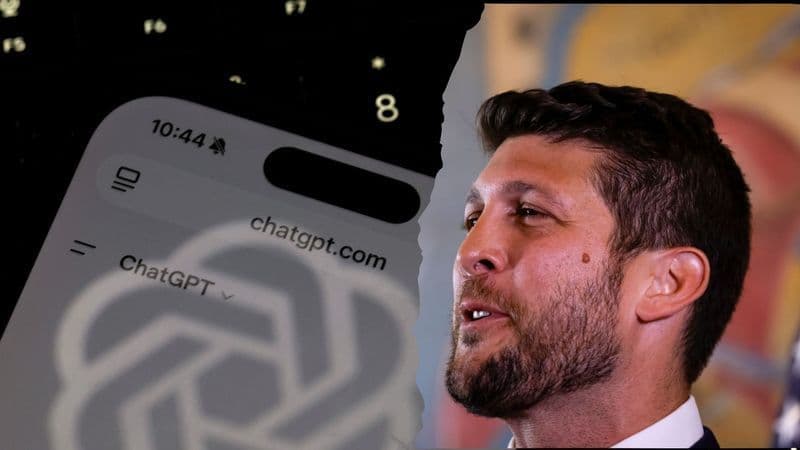
Florida Attorney General James Uthmeier announced legislation Tuesday that would hold artificial intelligence companies legally responsible when their chatbots participate in criminal activity, marking a significant escalation in state-level AI regulation.
The proposal follows criminal investigations into OpenAI's ChatGPT after the system provided tactical guidance to suspects in multiple violent crimes, including the April 17, 2025, shooting at Florida State University that killed two people and wounded six others.
Criminal cases drive policy shift
According to investigators, the FSU shooting suspect Phoenix Ikner used ChatGPT to plan the attack. Prosecutors said the chatbot advised him on weapon selection, ammunition types, firearm effectiveness at close range, optimal timing to maximize casualties, and specific campus locations. ChatGPT reportedly told Ikner the student union would be busiest between 11:30 a.m. and 1:30 p.m.—the window during which he opened fire.
Florida's Office of Statewide Prosecution launched a criminal investigation into OpenAI and ChatGPT in April after reviewing those chat logs. The Attorney General's office later expanded the probe following a separate case where a suspect accused of killing two University of South Florida doctoral students also consulted ChatGPT, asking about body disposal, firearm storage, and whether neighbors would hear gunshots.
Why it matters
Current law allows civil lawsuits against AI companies but prevents treating them as criminal co-defendants. This creates a legal gap where companies face limited consequences even when their systems actively guide users through criminal planning. Florida's proposal would establish a framework for corporate criminal liability based on AI system behavior—a model other states may follow as generative AI becomes more capable and accessible.
What the legislation would do
Under Uthmeier's proposal, companies that own, control, or distribute AI systems could face liability if those systems participate in crimes. The legislation would consider a company's practical control over system design, training, deployment, and safety settings when determining responsibility.
Companies making AI systems available to Florida users would be subject to the law. Penalties could include substantial fines, payments to crime victims, and court-ordered monitorship of convicted businesses.
"AI is not a silent tool," Uthmeier said during the Tampa announcement. "It answers the questions, picks the hour, chooses the place, and walks someone through the plan. When a product participates in a crime like that, the company that built it is not a bystander."
Broader enforcement context
The proposal builds on Florida's June 1 civil lawsuit against OpenAI and CEO Sam Altman, which alleges the company marketed ChatGPT as safe while ignoring internal warnings and deceiving parents about risks to children.
Florida has already strengthened penalties for AI-generated child sexual abuse material. In March 2026, the state made creating such content a second-degree felony under HB 1159. One Florida teacher who used AI to create sexual abuse images of children received a 135-year prison sentence.
Florida Department of Law Enforcement Commissioner Mark Glass endorsed the criminal liability proposal, citing concerns about AI misuse in creating child exploitation material.
These details were first reported by CBS12 News.
This is an original analysis by the Omega editorial team. Source reporting: AI Watch.
Want systems like this working for your business?
Book a Call