Florida AG seeks corporate penalties for AI chatbot crime links
James Uthmeier proposes legislation after ChatGPT interactions preceded two campus shooting incidents in the state.
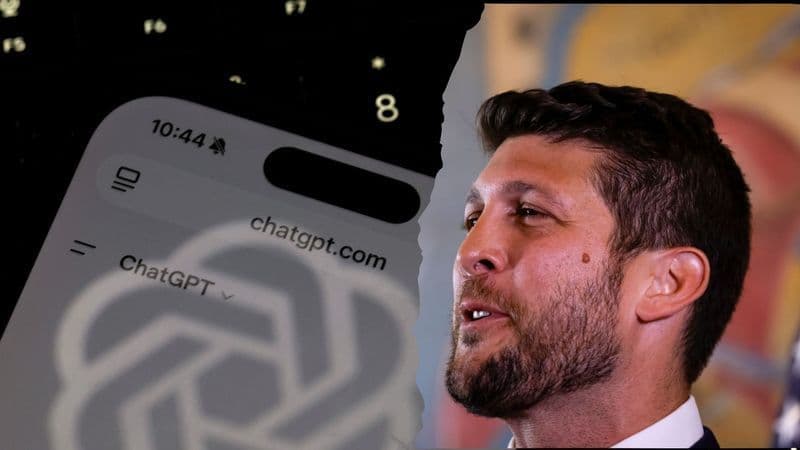
Florida Attorney General James Uthmeier announced plans Tuesday to pursue legislation that would impose criminal penalties on corporations operating AI chatbots linked to criminal activity, marking one of the first state-level attempts to hold AI companies legally accountable for harmful outputs.
Speaking in Tampa, Uthmeier acknowledged the practical challenge: "You can't lock up a company behind bars." His office is now investigating the extent to which corporate executives understood or designed chatbot behaviors that contributed to crimes, examining questions of intentionality and awareness.
The FSU shooting catalyst
The push follows Uthmeier's June 2026 legal action against OpenAI and CEO Sam Altman. That lawsuit alleges the company knowingly released ChatGPT to the public—including children—while concealing risks, suppressing internal safety warnings, and deceiving users about dangers.
The case centers on chat logs between ChatGPT and Phoenix Ikner, accused of carrying out shootings at Florida State University on April 17, 2025. Two people died in the attack, and six others were wounded. According to prosecutors who reviewed the logs, Ikner asked ChatGPT a series of specific questions in the hours before the shooting: when campus was busiest, how Florida punishes school shooters, and how many victims were needed to gain media attention.
Uthmeier argued that even if providing such information wasn't illegal, the questions should have triggered alerts to law enforcement. "At the very least those questions should have sparked a red flag," he said, noting that despite employing some of the world's top data scientists, OpenAI failed to act.
In April, Uthmeier's office expanded its OpenAI investigation to include the murders of two University of South Florida doctoral students after learning the primary suspect also used ChatGPT.
Proposed penalties and scope
While the legislation hasn't been drafted, Uthmeier outlined potential penalties including heavy fines, victim compensation payments, court-ordered monitoring, and possible suspension of business operations in Florida.
He also plans to ask the Florida Board of Medicine to investigate whether AI chatbots are engaging in unlawful practice of medicine by providing medical advice.
OpenAI issued a statement in April emphasizing its "commitment to community safety" and pledging to "continue to prioritize safety while balancing privacy and other civil liberties so we can act on serious risks."
Why it matters
Florida's approach could establish a legal precedent for corporate liability when AI systems are used in criminal planning. As generative AI becomes ubiquitous, the question of whether companies can be held responsible for harmful user interactions—and whether they have a duty to monitor and report suspicious activity—remains largely untested in U.S. law. The tension between user privacy, free speech protections, and public safety will likely define regulatory debates around AI for years to come.
These details were first reported by the Florida Phoenix.
This is an original analysis by the Omega editorial team. Source reporting: AI Watch.
Want systems like this working for your business?
Book a Call