FERC Orders Grid Operators to Fast-Track AI Data Center Power
Federal regulators unanimously direct regional operators to accelerate connections for energy-hungry computing facilities amid China competition concerns.
The Federal Energy Regulatory Commission has unanimously ordered six regional grid operators to accelerate power connections for artificial intelligence data centers, marking a significant federal intervention in the nation's strained electricity infrastructure.
The Thursday vote directs operators serving 200 million Americans to ensure AI facilities and other large power users can connect to transmission systems "in a timely and orderly manner." The move comes as tech companies report multi-year waits to access the electric grid in some regions.
Why it matters
AI data centers now consume approximately 5% of U.S. electricity demand—a figure projected to triple by 2035 according to the Electric Power Research Institute. The regulatory action attempts to resolve a fundamental mismatch: computing infrastructure construction is outpacing power plant development, creating bottlenecks that could hamper American competitiveness in AI development against China while simultaneously driving up electricity costs and blackout risks for existing customers.
Full cost recovery required
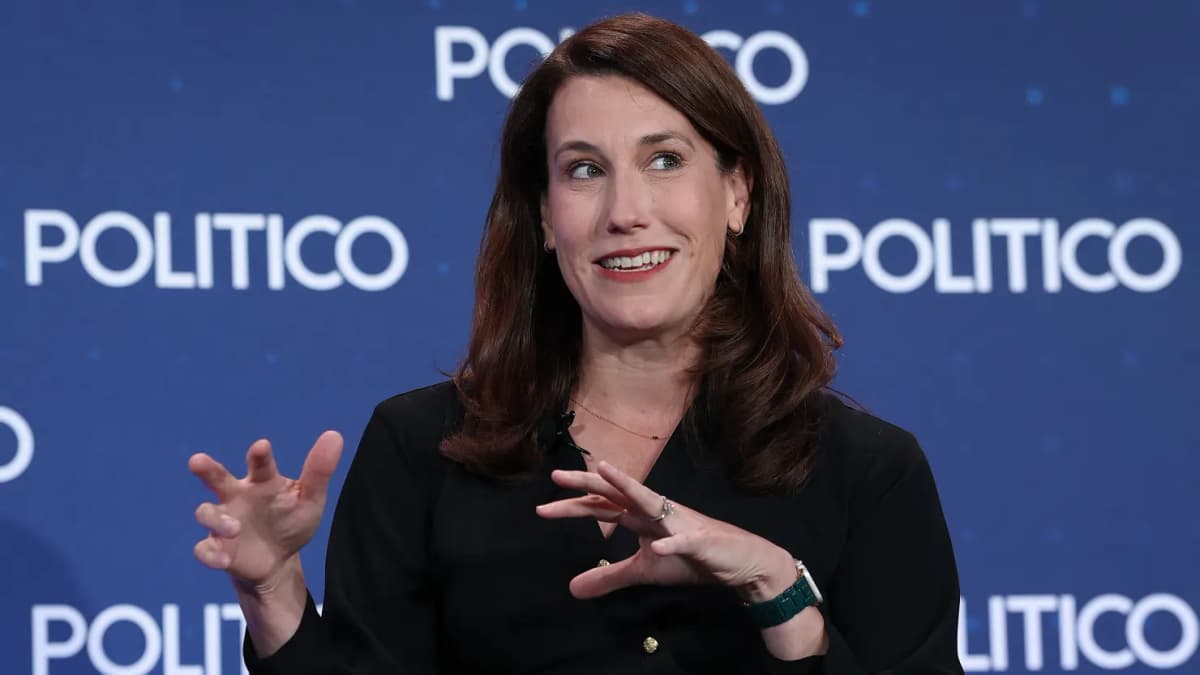
Under the commission order, data centers must pay the complete cost of any grid upgrades needed for their connections. FERC Chair Laura Swett, a Trump appointee, emphasized the commission's focus on protecting ratepayers from shouldering infrastructure expenses tied to large power users.
"I know that Americans across the country are concerned about affordability, and so are we," Swett said, adding that the commission takes seriously its congressional mandate to ensure reasonable rates.
The order leaves states in control of retail electric rates and terms, addressing concerns from utilities and regional operators about federal overreach. However, the directive does not resolve the underlying supply constraints driving electricity price increases in some markets.
Administration pressure and industry response
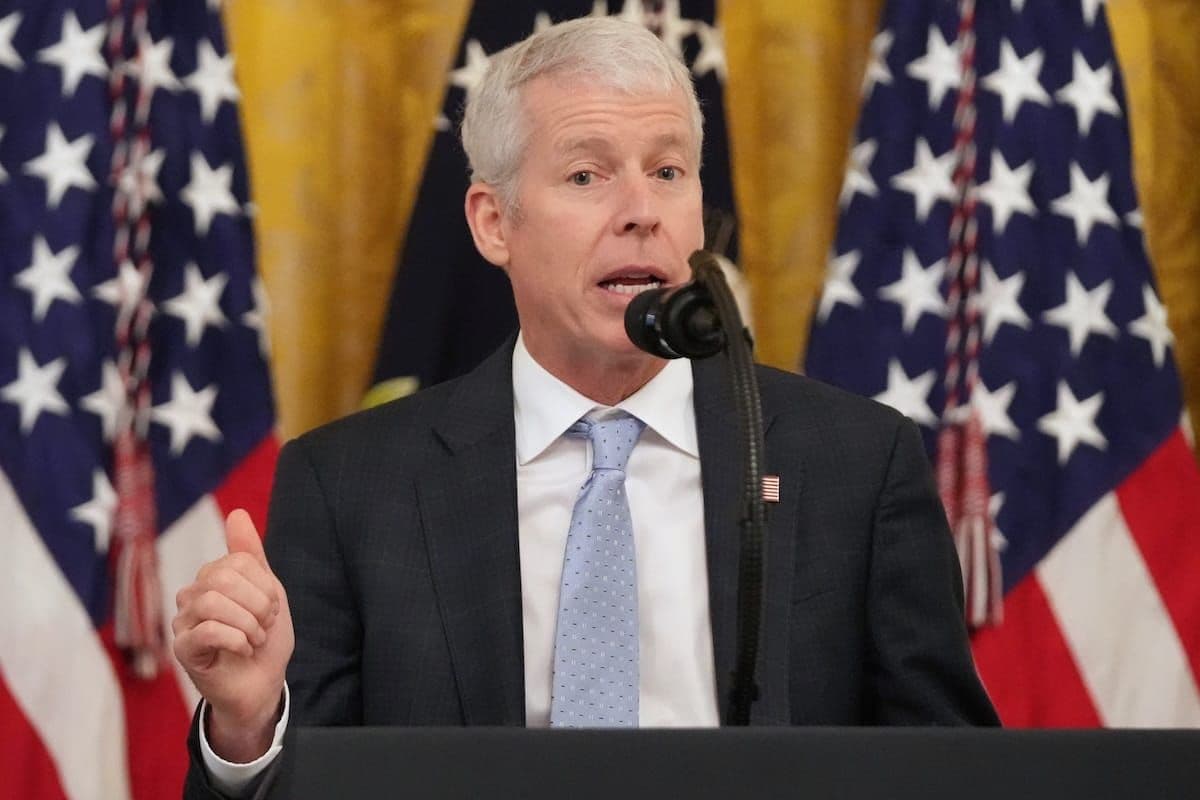
Energy Secretary Chris Wright had urged FERC to act eight months prior, framing faster grid connections as essential for U.S. competitiveness in AI. Wright praised the commission's decision as removing barriers to "affordable, reliable and secure energy needed to power a new era of prosperity."
The Edison Electric Institute, representing investor-owned utilities, said the order builds on existing regional processes while supporting flexibility. Robert Montejo, a lawyer representing data centers, characterized the action as recognition that "AI has fundamentally changed the electricity landscape."
Growing local opposition
The regulatory push comes amid mounting community resistance to data center development. More than 4,000 data centers currently operate in the United States, with an additional 3,000 planned or under construction, according to industry estimates. Residents increasingly oppose facilities due to concerns about energy consumption, water usage, noise pollution, and loss of open space.
FERC directed grid operators to respond within 30 days on ensuring adequate power supplies for new data centers and within 60 days on integration plans. The commission invited utilities handling their own regional transmission systems to participate voluntarily, though analysts suggest FERC could eventually apply pressure to these operators as well.
These details were first reported by Matthew Daly and Marc Levy of the Associated Press.
This is an original analysis by the Omega editorial team. Source reporting: AI Watch.
Want systems like this working for your business?
Book a Call