FERC Fast-Tracks AI Data Center Grid Connections Nationwide
New federal rules aim to speed power hookups for energy-intensive computing facilities while requiring operators to cover infrastructure costs.
Federal energy regulators have unanimously approved measures to accelerate how quickly artificial intelligence data centers can connect to the nation's electrical transmission system, addressing a critical bottleneck as computing facilities race to secure power.
The Federal Energy Regulatory Commission voted Thursday to streamline the connection process for large energy users, responding to requests from Energy Secretary Chris Wright who framed the issue as essential for competing with China in AI development. Under the new rules, data centers must pay the full cost of any grid upgrades required for their connection, a provision designed to shield existing ratepayers from shouldering infrastructure expenses.
Why it matters
The decision arrives as the U.S. faces a fundamental infrastructure challenge: data center construction is outpacing the ability of power plants and transmission systems to serve them. With tech companies reporting multi-year waits for grid connections in some regions, the regulatory bottleneck has become a competitive constraint. The ruling attempts to balance economic competitiveness against growing public opposition to data centers, which communities increasingly view as threats to electricity affordability and local resources.
Balancing speed and affordability
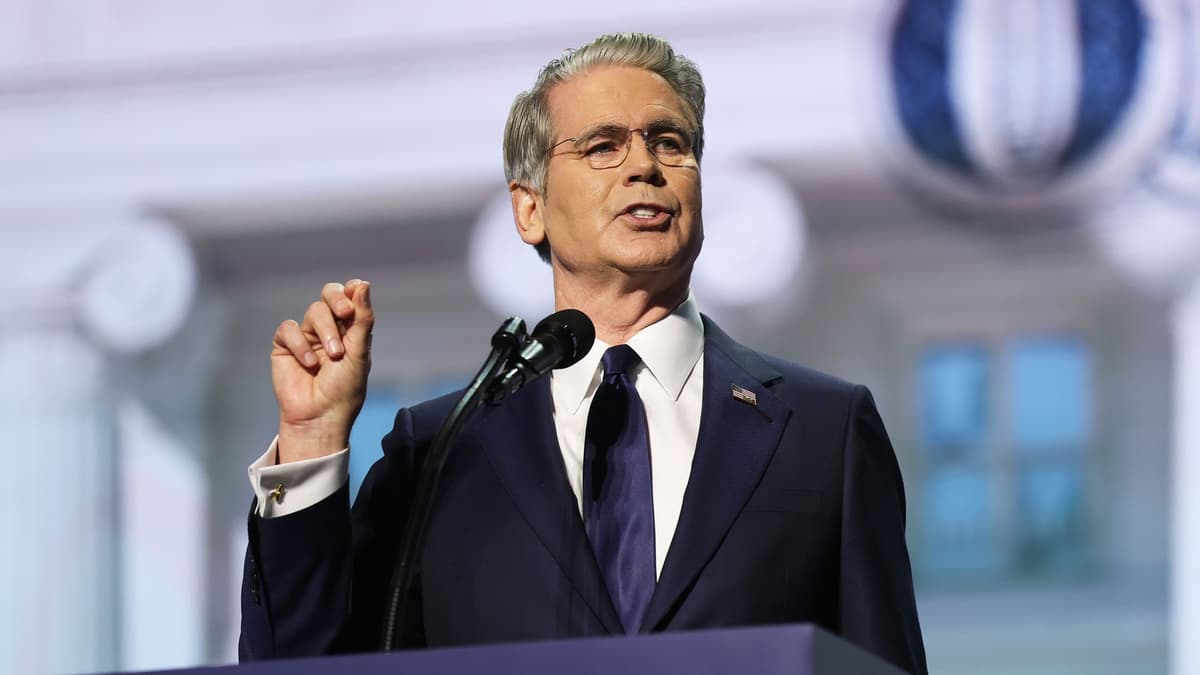
FERC Chair Laura Swett, a Trump appointee, characterized the vote as historic action to modernize electricity markets while protecting consumers. "Many Americans are increasingly concerned about the interconnection of large loads, and data centers will increase their bills in that stress," Swett said during the proceedings.
The commission's order directs that AI data centers and other major power consumers connect to transmission systems "in a timely and orderly manner." However, the ruling has limited ability to address the underlying supply constraint: electricity demand is growing faster than new generation capacity.
According to the Electric Power Research Institute, data centers currently consume roughly 5% of U.S. electricity but could reach 15% by 2035. In Virginia, the concentration is more severe, with data centers accounting for over 25% of demand and projections suggesting 40% by 2030.
Industry commitments and construction delays
Major technology companies including Google, Microsoft, Meta, Amazon, Oracle, OpenAI, and xAI have signed the Ratepayer Protection Pledge, committing to build or purchase new power generation for their facilities and cover infrastructure upgrade costs. The pledge also requires making backup generation available during emergencies and hiring locally.
Despite these commitments, construction is lagging ambitions. A J.P. Morgan analysis using satellite imagery found that over 60% of data center capacity planned for 2027 completion hasn't broken ground, with another 7% delayed. The report cited permitting challenges and shortages of gas turbines, transformers, and skilled labor as primary obstacles.
The regulatory action follows an earlier FERC decision in December that allowed technology companies to connect data centers directly to power plants, bypassing some transmission system requirements.
Growing local resistance
The commission's vote comes amid mounting community opposition to data center development. More than 4,000 data centers currently operate across the United States, with an additional 3,000 planned or under construction. Some individual facilities now consume more electricity than small cities, and residents have organized protests citing concerns about rising electricity costs, pollution, water consumption, and loss of open space.
These details were first reported by CNBC.
This is an original analysis by the Omega editorial team. Source reporting: AI Watch.
Want systems like this working for your business?
Book a Call