Federal Judge Upholds Minnesota AI Nudification Ban
xAI's second attempt to block the law restricting nonconsensual AI-generated nude images fails as constitutional challenge continues.
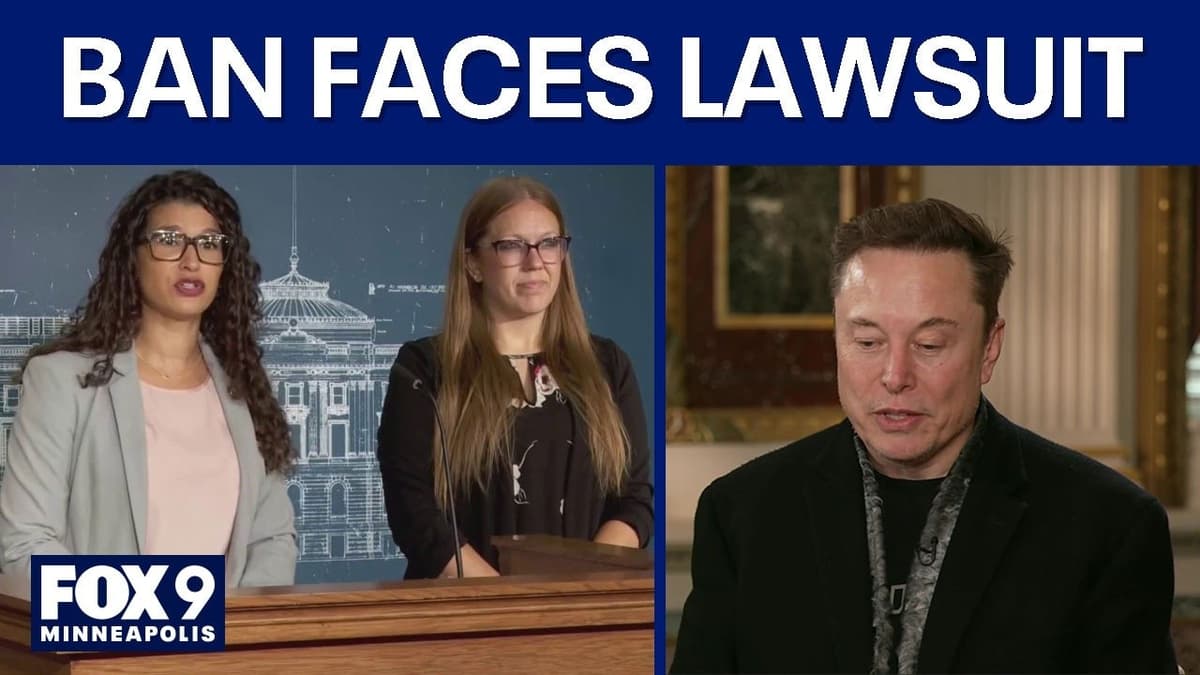
A federal judge has denied Elon Musk's xAI a second opportunity to halt enforcement of Minnesota's law banning AI-generated fake nude images, keeping the restriction in place while the company's constitutional challenge proceeds through the courts.
U.S. District Judge Donovan Frank rejected xAI's request for a preliminary injunction on Friday, according to FOX 9, which first reported the ruling. The decision follows an earlier denial on July 31, when the court refused to grant a temporary restraining order just one day before the law took effect on August 1.
What the law prohibits
Minnesota's statute targets the practice known as "nudification" — using artificial intelligence to create fake nude images of identifiable real people. The law prohibits website operators and software developers from enabling users to generate such images without consent.
The legislation also bans advertising or promoting products capable of nudifying images or videos. Violations can result in lawsuits seeking damages of at least $500,000 for each unlawful access. Minnesota lawmakers have characterized the measure as narrowly tailored to combat nonconsensual sexual imagery created through AI technology.
xAI's free speech argument
xAI, officially renamed SpaceXAI in February 2026 as a subsidiary of SpaceX, filed its legal challenge on July 29, 2026 — nearly three months after the law was signed and only three days before implementation.
The company argues the statute "imposes an overbroad, content-based ban on free speech and the tools of visual expression in a clumsy attempt to prohibit 'nudification,'" contending it violates First Amendment protections.
In its lawsuit, xAI maintains it already "strictly prohibits its users from generating nude or sexualized images of people without their consent" and has previously sued users who circumvent its technological safeguards to create such content.
Why it matters
The case represents a significant test of how states can regulate AI-generated content that causes real harm while navigating constitutional free speech protections. As AI image generation becomes more accessible and sophisticated, the legal framework for addressing nonconsensual synthetic media remains unsettled. Minnesota's approach — focusing on platform operators rather than individual users — could serve as a model for other states grappling with similar technology abuse, particularly if it survives constitutional scrutiny.
What's next
With both emergency relief requests denied, the law remains enforceable while xAI's underlying constitutional challenge continues through the federal court system. The case will likely hinge on whether courts find Minnesota's restrictions sufficiently narrow to address legitimate harms without impermissibly restricting protected expression.
FOX 9 first reported details of the court ruling and the ongoing legal proceedings.
This is an original analysis by the Omega editorial team. Source reporting: AI Watch.
Want systems like this working for your business?
Book a Call