FDA Reviews AI Tool That Scans Medical Records for Cancer Risk
C the Signs analyzes patient histories in under 60 seconds, potentially becoming the first approved device in its category.
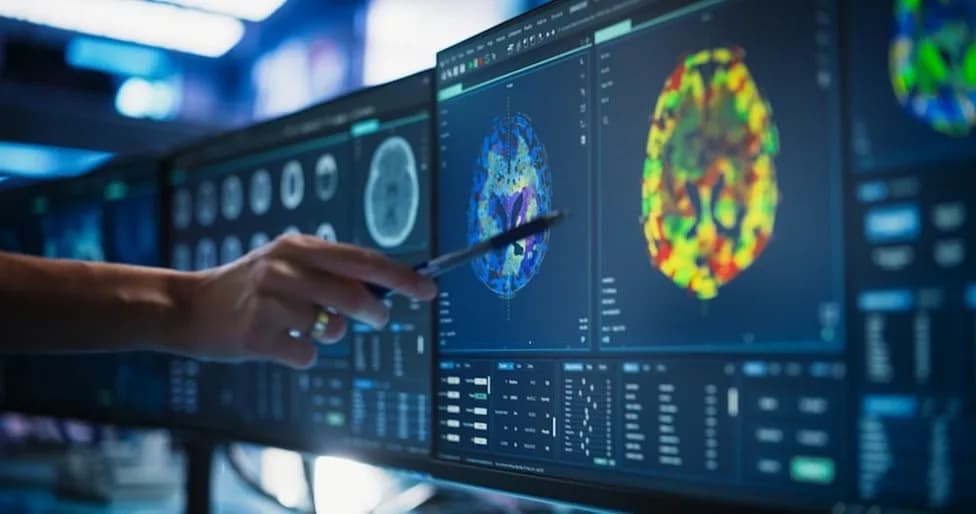
An artificial intelligence system that mines electronic health records to flag patients at elevated cancer risk is under review by the Food and Drug Administration, according to details first reported by Newsweek.
The technology, developed by C the Signs, analyzes physician notes, prescriptions, and test results without requiring new imaging or laboratory work. If cleared, it would become the first FDA-approved device in its category, with the company targeting a 2026 launch.
Dr. Bea Bakshi, co-founder and CEO of C the Signs, told Newsweek the company is pursuing De Novo clearance—a regulatory pathway reserved for novel devices without existing market equivalents. The FDA has indicated it has not identified a comparable product already approved.
How the system works
The platform processes years of accumulated medical data in less than 60 seconds, searching for patterns that may escape human review. According to the company, the tool delivers a 99% negative predictive value for cancer identification and 94% accuracy in predicting tumor origin when cancer is present.
More than 11,000 healthcare professionals across the United Kingdom's National Health Service currently use the system. The company reports it has helped identify 75,000 cancer patients and shortened diagnostic timelines by 21%. C the Signs plans to enroll 250,000 Americans in a study this year.
A validation study conducted at Mayo Clinic sites in Arizona, Minnesota, and Florida examined one million patient records. According to the company, the analysis found that one in four cancer patients could have been flagged between one and five years before their actual diagnosis.
Why it matters
Current cancer screening protocols cover only a fraction of the more than 200 known cancer types, and many patients leave initial appointments without appropriate follow-up. An AI system that continuously monitors existing records could identify high-risk individuals earlier, when treatment outcomes are typically better. The technology also addresses a structural gap: it operates on data already collected during routine care, avoiding the cost and logistics of additional testing until risk is established.
Expert cautions
Anant Madabhushi, executive director of the Emory University Empathetic AI for Health Institute, told Newsweek the approach shows promise but requires further validation in U.S. patient populations before widespread adoption.
David Walt, a professor at Harvard Medical School, raised concerns about false positives and the potential for unnecessary patient anxiety—a common challenge in AI-driven screening tools.
The FDA review comes as the healthcare industry accelerates investment in oncology technology. In May, Medicare expanded coverage for Personalis' breast cancer monitoring test. Pfizer recently announced a cancer-drug collaboration with Innovent Biologics valued at up to $10.5 billion.
Newsweek first reported the details of the FDA submission and the company's planned U.S. rollout.
This is an original analysis by the Omega editorial team. Source reporting: AI Watch.
Want systems like this working for your business?
Book a Call