FDA Plans Formal Guidance on Generative AI Medical Devices
The agency's Digital Health Center will issue both broad and specialized policy documents to clarify regulatory expectations for the emerging technology.
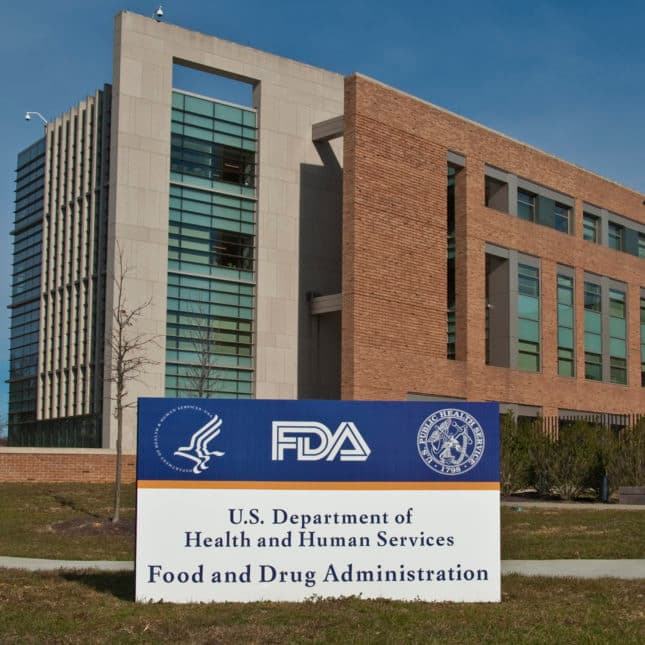
FDA to Issue Regulatory Guidance for Generative AI in Medical Devices
The Food and Drug Administration is working on a regulatory framework for medical devices that incorporate generative artificial intelligence, according to a senior agency official.
Rick Abramson, who directs the FDA's Digital Health Center of Excellence, confirmed the agency intends to publish formal policy guidance addressing how it will oversee this emerging category of medical technology. The announcement signals the FDA's recognition that generative AI—technology capable of creating novel content and responses—requires distinct regulatory consideration beyond existing AI frameworks.
Why it matters
Medical device manufacturers and healthcare organizations have operated without clear regulatory guardrails as they explore generative AI applications in diagnostics, treatment planning, and clinical decision support. Formal FDA guidance will establish the compliance pathway these innovators must follow, potentially accelerating or constraining development depending on the requirements. The distinction between broad and specialized guidance also suggests the agency recognizes that generative AI's risks and benefits vary significantly across different medical applications.
Multiple Guidance Documents Planned
Abramson indicated the FDA will take a tiered approach to its guidance strategy. The agency plans to release overarching policy documents that address generative AI broadly, while also developing more focused guidance on specific applications or technical challenges that present particular complexity.
"The ecosystem is expecting clarity. We seek to provide that clarity," Abramson said, acknowledging industry demand for regulatory certainty. He added that stakeholders "can expect not only broad guidance on the overall topic of generative AI, but also some more narrowly constructed specialty guidance on particular generative AI topics of special interest or special complexity."
The FDA has not announced a timeline for when these guidance documents will be released.
Regulatory Gap for Emerging Technology
Generative AI represents a departure from the predictive and analytical AI systems the FDA has previously cleared for medical use. Unlike traditional machine learning models trained to identify patterns in existing data, generative AI can produce novel outputs—a capability that introduces new considerations around reproducibility, validation, and clinical safety.
The agency's existing framework for software as a medical device and its 2021 artificial intelligence and machine learning action plan have not specifically addressed generative AI's unique characteristics. The forthcoming guidance will fill that gap as developers increasingly explore applications like AI-generated radiology reports, personalized treatment protocols, and synthetic medical imaging for training purposes.
These details were first reported by STAT.
This is an original analysis by the Omega editorial team. Source reporting: AI Watch.
Want systems like this working for your business?
Book a Call
