FCC Grants First Robot Ban Exemption to Swedish Mower Maker
Husqvarna's approval comes with no expiration date, unlike time-limited exemptions for drones and routers.
Swedish Robotics Firm Secures Indefinite Exemption
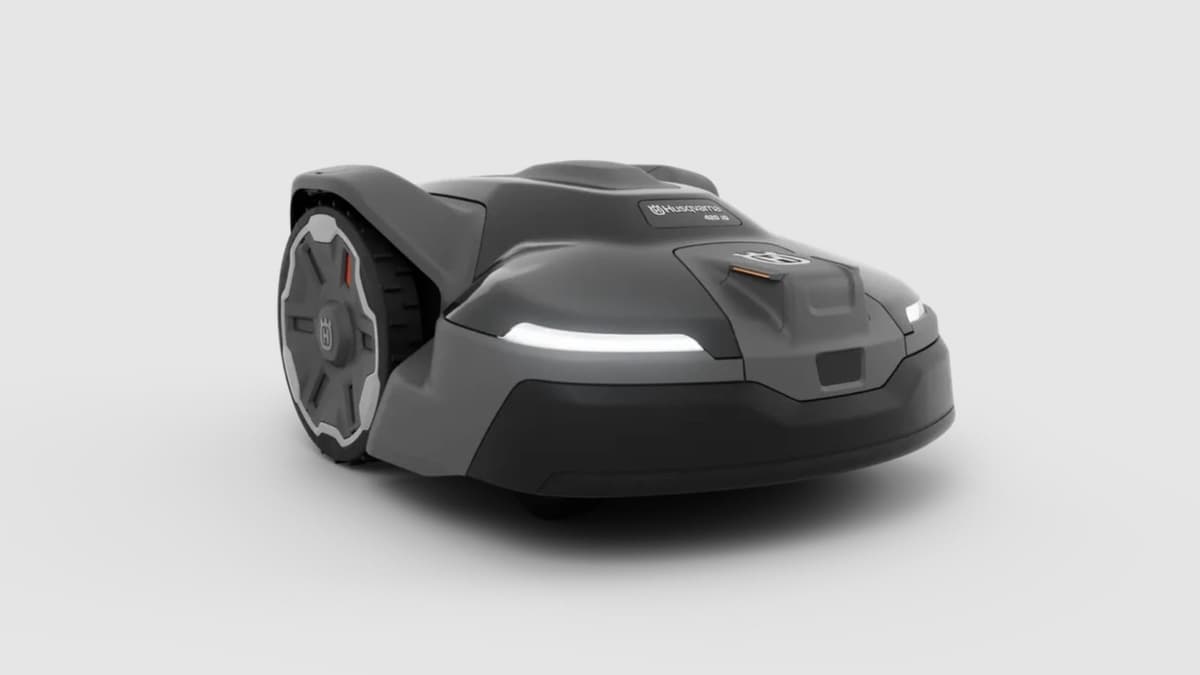
The Federal Communications Commission has granted its first exemption to the US ban on foreign-made advanced robots, clearing four models of robotic lawn mowers from Swedish manufacturer Husqvarna. The conditional approval covers the 305v IQ, 310v IQ, 420v IQ, and 440v IQ series, effective September 9, 2026.
The US Defense Department determined that Husqvarna's robots "do not pose risks to US national security," addressing concerns that foreign-made autonomous devices could enable espionage or sabotage. The ban, implemented just over a month ago, targets robot vacuums and certain pool-cleaning robots alongside lawn mowers.
Why it matters
This exemption establishes a precedent for how foreign robotics companies can continue operating in the US market despite sweeping security restrictions. The indefinite approval timeline suggests the government may distinguish between consumer robotics categories based on perceived threat levels—potentially opening a path for other manufacturers of household robots to seek similar clearance.
No Expiration Date Sets Husqvarna Apart
What distinguishes Husqvarna's exemption is its indefinite duration. The FCC has issued conditional approvals to other foreign manufacturers, including drone makers and Wi-Fi router companies like Asus, but those exemptions carry strict time limits. Drone exemptions last up to 12 months, while router approvals extend to 18 months.
The FCC's guidelines for advanced robots, however, omit any mention of time limits for conditional approvals. The agency did not immediately respond to questions about this discrepancy. The guidelines do specify that companies must submit exemption applications by January 1, 2028, indicating the application window will eventually close unless policy changes occur.
Rigorous Approval Requirements
To secure an exemption, manufacturers must provide extensive documentation. Companies must detail plans for potential US-based manufacturing, disclose the country of origin for every robot component, and identify where software and firmware are developed.
Husqvarna emphasized that its approval validates "rigorous standards for quality, security, and how we manage customer data following strict EU consumer privacy rules." The company stated that both its new models launching in 2027 and currently available products are covered by the exemption.
Implications for Consumer Robotics
The indefinite nature of Husqvarna's approval may signal how the FCC will treat other consumer robotics categories. Robot vacuums and pool cleaners, which face the same ban, could potentially receive similar exemptions if manufacturers can demonstrate adequate security measures.
However, the broader policy context remains complex. The Trump administration has emphasized concerns about China's influence over electronics supply chains and has prioritized boosting domestic manufacturing. These competing priorities will likely shape how the government evaluates future exemption requests from foreign robotics companies.
These details were first reported by The Verge.
This is an original analysis by the Omega editorial team. Source reporting: The Verge.
Want systems like this working for your business?
Book a Call