FCC Bans Foreign-Made Advanced Robots and Power Inverters
New import restrictions target mobile robots weighing over 4.4 pounds and solar inverters, with major implications for Chinese manufacturers.
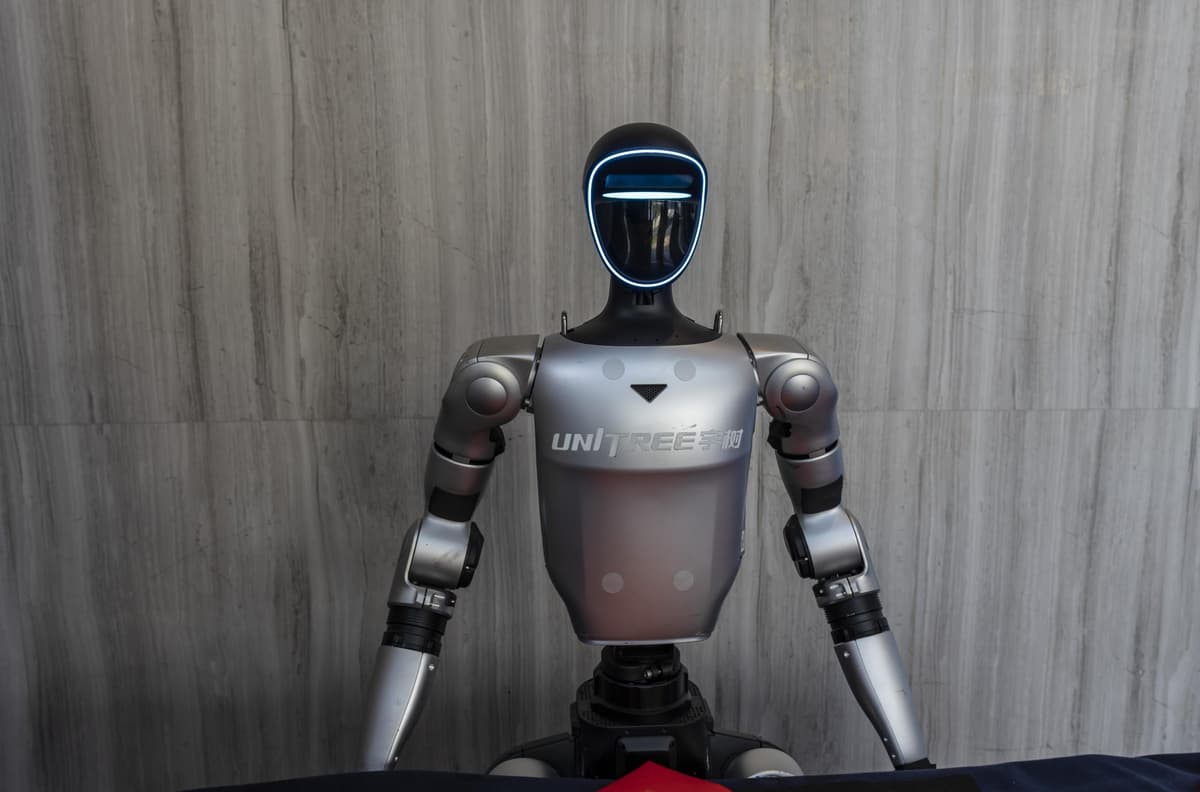
The Federal Communications Commission announced Tuesday a sweeping import ban on advanced robotic devices and power inverters manufactured in foreign countries, a move that will significantly impact Chinese robotics and renewable energy equipment makers.
According to details first reported by Reuters, the ban encompasses mobile robots including humanoid and quadruped models, though the restrictions extend beyond walking robots to include any device meeting specific technical criteria.
What qualifies as a banned device
The FCC defines an "advanced robotic device" as any machine weighing more than 4.4 pounds (including docking stations) that combines three capabilities: locomotion or ground movement, environmental sensing through onboard sensors, and network connectivity via integrated chips. This broad definition could capture future generations of robot vacuums and other consumer devices, not just the humanoid robots that have recently gained viral attention.
For power inverters, the ban targets equipment commonly used in solar panel arrays and renewable energy systems. China hosts the world's leading inverter producers, including Sungrow and Huawei, the latter already subject to U.S. blacklisting.
Why it matters
This regulatory action arrives as China accelerates humanoid robot production and the U.S. renewable energy sector relies heavily on Chinese-manufactured inverters. The timing coincides with Tesla's reported decision to discontinue Model S and Model X vehicles to allocate manufacturing capacity for its Optimus humanoid robot, signaling intensifying competition in robotics manufacturing. The ban's security justification references specific vulnerabilities, including poor security in DJI's Romo robovac, but the waiver process doesn't actually require security improvements—only commitments to shift manufacturing to the United States.
The waiver process
While the FCC characterizes the ban as country-agnostic, citing "unacceptable risks to the national security of the United States," the agency expects to exempt many non-Chinese suppliers from restrictions, according to sources who spoke with Reuters. Companies seeking waivers must provide detailed plans for U.S.-based manufacturing rather than demonstrating enhanced security measures.
Existing robots and inverters already in the U.S. remain unaffected, and all covered devices can continue receiving security and compatibility updates through January 1, 2029, under an additional waiver. However, the FCC's statement about update procedures may mislead the public, as companies currently face no requirement to inform the agency when pushing security patches to their devices.
The ban follows similar restrictions the U.S. government placed on foreign-made routers, establishing a pattern of using import controls to address perceived cybersecurity and national security threats from overseas technology manufacturers.
The Verge first reported these details.
This is an original analysis by the Omega editorial team. Source reporting: The Verge.
Want systems like this working for your business?
Book a Call
