FAA Deploys AI Traffic Tool at Three Major East Coast Airports
SMART system analyzes 200 data streams to help analysts predict congestion and scheduling conflicts before flights take off.
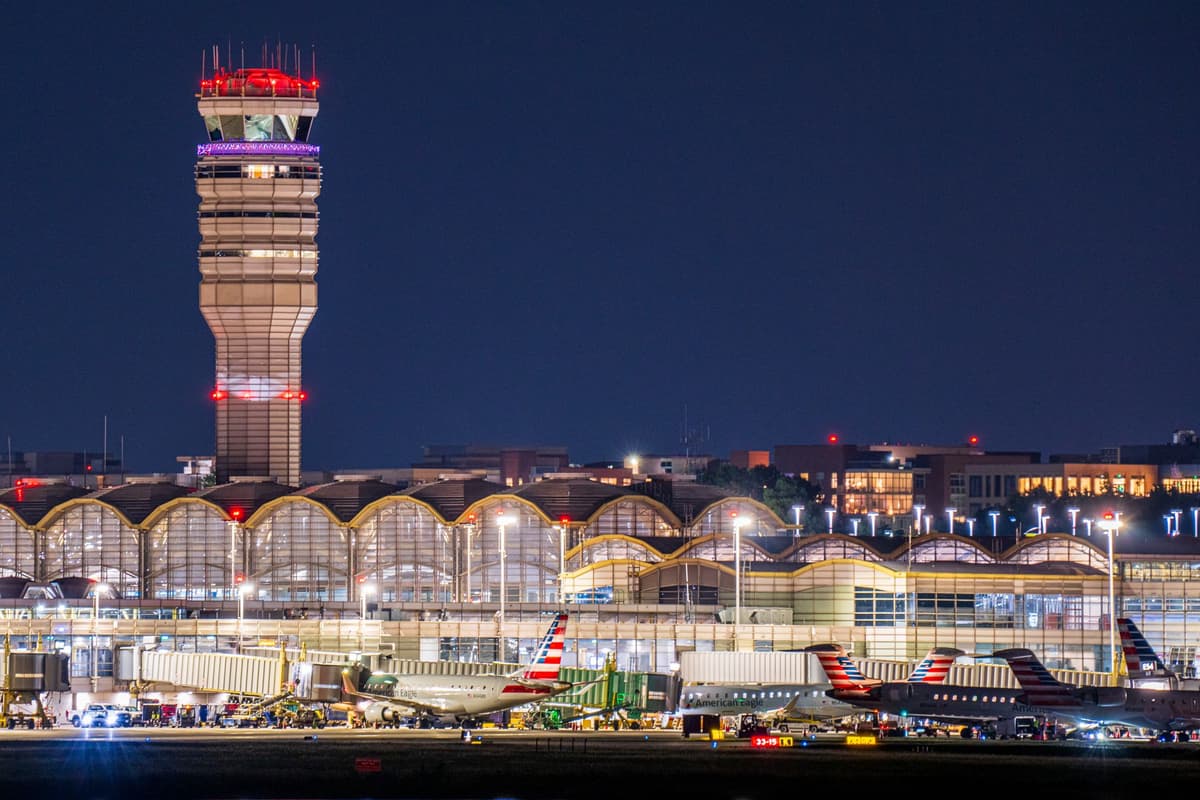
FAA launches predictive air traffic system
The Federal Aviation Administration activated an artificial intelligence system Monday at three major airports serving the Washington, D.C. region, marking the start of a nationwide deployment aimed at preventing flight delays before they cascade through the system.
The tool, called SMART — Strategic Management of Airspace, Routes, and Trajectories — went live at Ronald Reagan Washington National Airport, Dulles International Airport, and Baltimore/Washington International Thurgood Marshall Airport. Transportation Secretary Sean Duffy and FAA Administrator Bryan Bedford introduced the platform at a Monday press conference.
SMART ingests 200 separate data streams covering weather conditions, flight paths, traffic patterns, and controller staffing levels. Its AI engine processes that information to identify scheduling conflicts and potential bottlenecks before aircraft leave the gate, according to the Transportation Department.
Who uses the system
The platform targets traffic management analysts rather than air traffic controllers who handle real-time separation of aircraft. These analysts manage broader airspace decisions, including when to implement or lift ground stops. All system recommendations undergo review by FAA personnel, and local air traffic control facility leadership retains authority to accept or reject suggestions.
Duffy emphasized the tool's role in supporting human decision-making. "What we've thought through is, let's use the best technology possible, the best predictors possible so humans can make the best decisions possible," he said, as reported by The Hill.
The system represents a shift from reactive problem-solving to forward planning, enabling the FAA to anticipate congestion hours, days, or weeks in advance rather than responding to issues as they develop.
Contract and timeline
Air Space Intelligence won the contract to develop SMART and a related system in a deal worth $875 million over 12 years. The FAA aims to complete full deployment by the end of 2028.
Duffy has indicated the AI tools could help identify potential conflicts as far as 45 days ahead and recommend minor flight adjustments. The capability comes as the FAA continues addressing persistent air traffic controller staffing shortages through multiple initiatives.
Why it matters
The SMART deployment signals a fundamental change in how the FAA manages the national airspace system. By moving from reactive to predictive operations, the agency aims to reduce cascading delays that cost airlines and passengers billions annually. The system's ability to process vast data streams and surface conflicts weeks in advance could help the FAA maintain operational efficiency even with staffing constraints — though it also raises questions about the agency's long-term reliance on algorithmic recommendations for critical infrastructure decisions.
Broader modernization effort
The AI rollout forms part of a larger $12.5 billion infrastructure modernization program that includes upgrades to telecommunications lines, radios, radar systems, and a transition from paper to electronic flight strips. The Transportation Department expects to complete these infrastructure improvements by the end of 2028.
These details were first reported by Quartz.
This is an original analysis by the Omega editorial team. Source reporting: AI Watch.
Want systems like this working for your business?
Book a Call