Exploit Timelines Shrink from Years to Hours in AI Era
Security leaders must rethink application defense as weaponization windows collapse from 771 days to 4 hours by 2026.
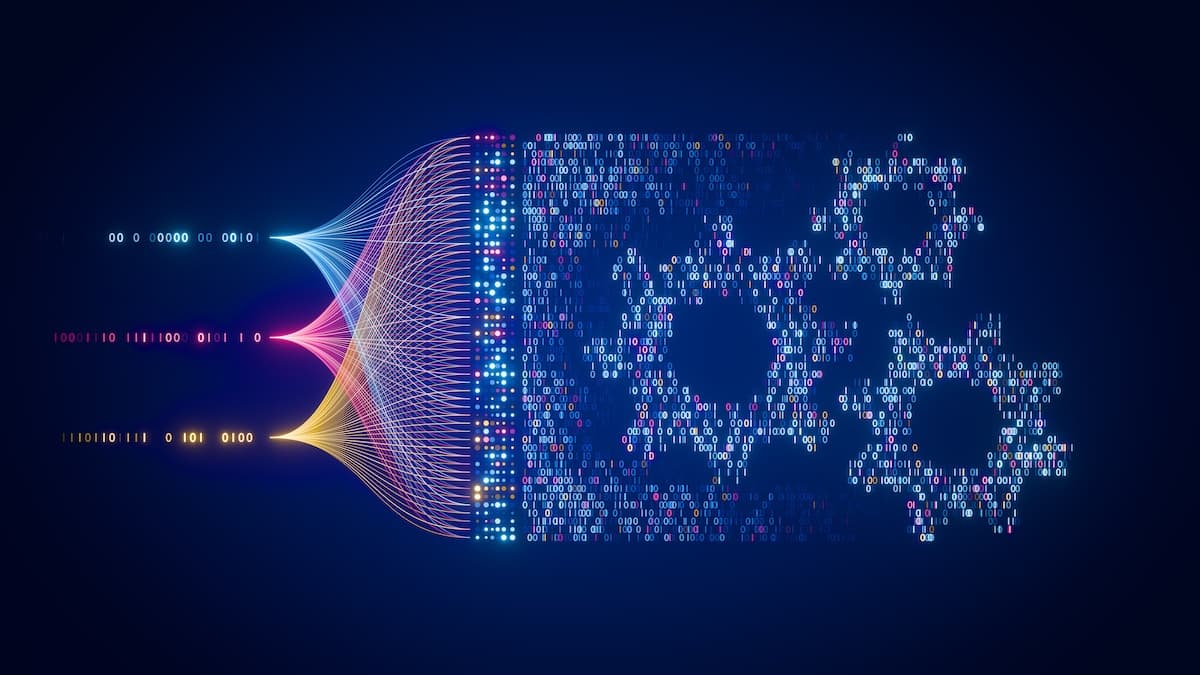
The timeline for attackers to weaponize software vulnerabilities has collapsed dramatically. In 2018, exploitation took an average of 771 days. By 2026, that window is projected to shrink to just four hours—a compression driven largely by AI-powered attack tools that can discover, develop, and deploy exploits at machine speed.
This acceleration fundamentally breaks the traditional patch-and-protect security model. Enterprises cannot realistically maintain patching cycles measured in minutes and hours rather than months and quarters. The question becomes: what compensating controls can organizations deploy when speed-to-patch is no longer a viable primary defense?
Why it matters
The shift from a 771-day to a 4-hour exploitation window represents more than a quantitative change—it's a qualitative transformation in how application security must operate. Organizations that continue relying primarily on patching cadence will find themselves perpetually behind attackers. This reality demands a fundamental rethinking of defense strategies, moving from patch-centric to defense-in-depth approaches that assume applications will operate with unpatched vulnerabilities.
Eight strategies for the new reality
Joshua Goldfarb, Field CISO at F5, outlined several critical measures enterprises should implement to manage application security risk when patching cannot keep pace with threats. These recommendations, detailed in SecurityWeek, form a layered defense approach:
Accurate inventory serves as the foundation. Organizations cannot protect applications, APIs, and AI components they don't know exist. Visibility and discovery must be continuous, with meticulous tracking of all assets.
Continuous risk assessment replaces quarterly or annual reviews. When patching cycles can't match threat velocity, understanding which applications present the greatest risk becomes essential for resource allocation.
Continuous vulnerability scanning provides the intelligence needed to triage and prioritize remediation efforts. Without regular scanning, organizations lose ground to attackers who are constantly probing for weaknesses.
Streamlined patching processes remain important even when they can't be the primary defense. Removing technical and organizational friction ensures patches can be applied as quickly as possible when opportunities arise.
Threat intelligence programs—whether in-house or outsourced—help organizations anticipate emerging attack patterns rather than reacting to surprises. Preparation time becomes increasingly valuable as response windows shrink.
Tightened preventive controls compensate when patching lags. Reviewing and strengthening access controls, network segmentation, and other preventive measures reduces the attack surface.
Runtime security and detective controls provide protection across the entire application stack, including APIs and AI components. The ability to detect novel attacks without relying on signatures becomes critical, particularly for protecting large language models and natural language interfaces.
Agent-specific protections address the unique risks posed by agentic AI systems that can rapidly discover vulnerabilities and sensitive data exposures. Defenses should include application-layer DDoS protection, bot detection, malicious user identification, and continuous monitoring of agent activities.
Planning for persistent vulnerability
The compressed exploitation timeline represents an acceleration of trends the security industry has observed for years. Organizations must accept that applications will often operate with known vulnerabilities and build defense strategies accordingly. Success requires proper planning, resource allocation, and a shift from patch-centric thinking to comprehensive defense-in-depth approaches.
These insights were originally reported by Joshua Goldfarb in SecurityWeek.
This is an original analysis by the Omega editorial team. Source reporting: AI Watch.
Want systems like this working for your business?
Book a Call