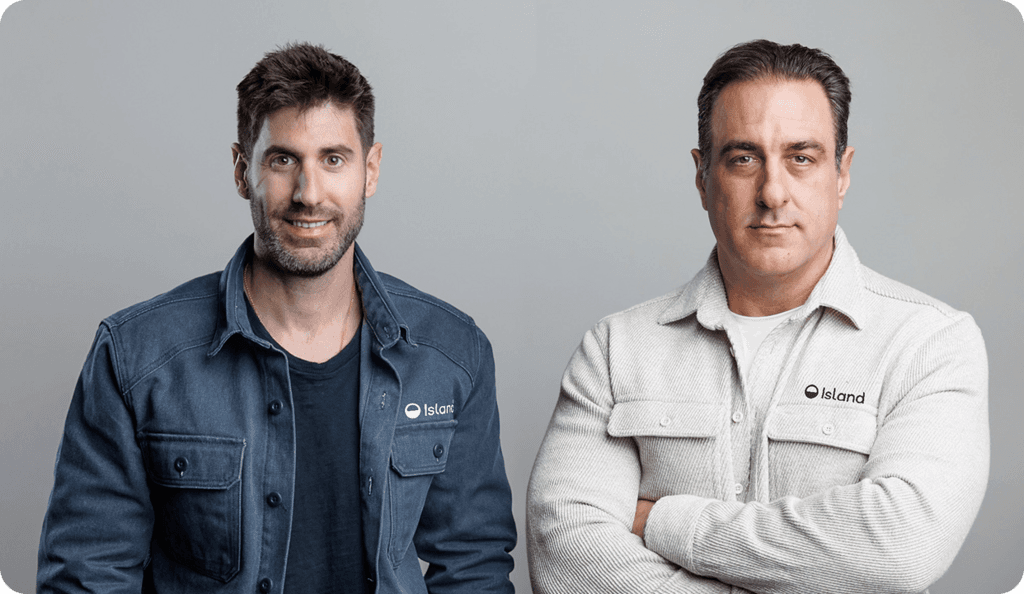
Ex-Google Click Fraud Chief Launches On-Device AI Shield
Shuman Ghosemajumder's Reken emerges from stealth with phishing defense that runs entirely on user hardware, no cloud required.

The engineer who built Google's defenses against click fraud has emerged from stealth with a new approach to combating AI-powered scams: security software that never leaves your device.
Shuman Ghosemajumder, who previously founded Shape Security and sold it to F5 for $1 billion in 2020, is launching Reken with $10 million in seed funding from Greycroft, FPV Ventures, and other investors. The company's first product, Northstar, runs proprietary AI models directly on corporate laptops to detect phishing attempts and fraud in real time.
Why it matters
As AI makes scams more convincing, most security tools respond by sending data to cloud services for analysis—creating new privacy risks and delays. Reken's bet is that the next generation of fraud defense must be fast enough to block threats instantly and private enough to never expose user communications. With the FBI reporting $20.9 billion in cybercrime losses in 2025—a 26% annual jump—and more than 22,000 AI-related crime complaints, the stakes for getting this right are climbing rapidly.
Running AI security without GPUs
The technical challenge Reken solved was making AI models accurate and fast on standard hardware. While competitors like Abnormal and Doppel use cloud-based AI analysis, and others rely on models from OpenAI or Anthropic, Reken's Private Core runs small, proprietary models on ordinary corporate laptops without specialized graphics processors.
"You could take an LLM and figure out a way to quantize it so that you could run it with fewer resources," Ghosemajumder told Fortune, "but if it still runs at the speed of a full LLM, then it's not going to be able to produce a result in a timeframe that matters."
Google and Apple are both reportedly developing on-device phishing detection, but neither has shipped a product yet.
Beyond detecting AI-generated text
Northstar doesn't simply flag AI-generated messages, which Ghosemajumder considers a useless signal now that businesses routinely use AI for legitimate communication. Instead, the software verifies when messages genuinely come from trusted senders like banks or retailers, giving users positive confirmation rather than leaving them to guess.
The approach replaces corporate security training that Ghosemajumder calls futile against modern threats. "We shouldn't be forcing employees to become forensic digital investigators," he said. Even security experts can be fooled when caught distracted, he noted—including at Reken itself, where criminals scraped LinkedIn to impersonate him to a new intern within the employee's first week.
Building a trust network
Reken's longer-term vision extends beyond individual protection. As organizations adopt Northstar, they join what the company calls the Reken Network, where internal communications become verifiable. When suppliers and partners adopt the platform, they expand a "protected circle" of authenticated communication—similar to how Apple's iMessage distinguishes trusted contacts, but with stronger verification.
Ghosemajumder, who co-founded Google's internal Privacy Council, acknowledged the privacy questions this network raises. Reken plans to aggregate and anonymize threat intelligence so the system learns without compromising individual user data.
Northstar enters early access Monday for corporations, government agencies, and universities. Ghosemajumder said Fortune 500 companies have tested the product but declined to name customers. Additional products are in development, and third parties will eventually be able to build on the Private Core platform.
These details were first reported by Fortune.
This is an original analysis by the Omega editorial team. Source reporting: AI Watch.
Want systems like this working for your business?
Book a Call