Erin Brockovich targets AI datacenters over water use and secrecy
The environmental activist who won $333m from PG&E now confronts tech companies building massive computing facilities without community input.
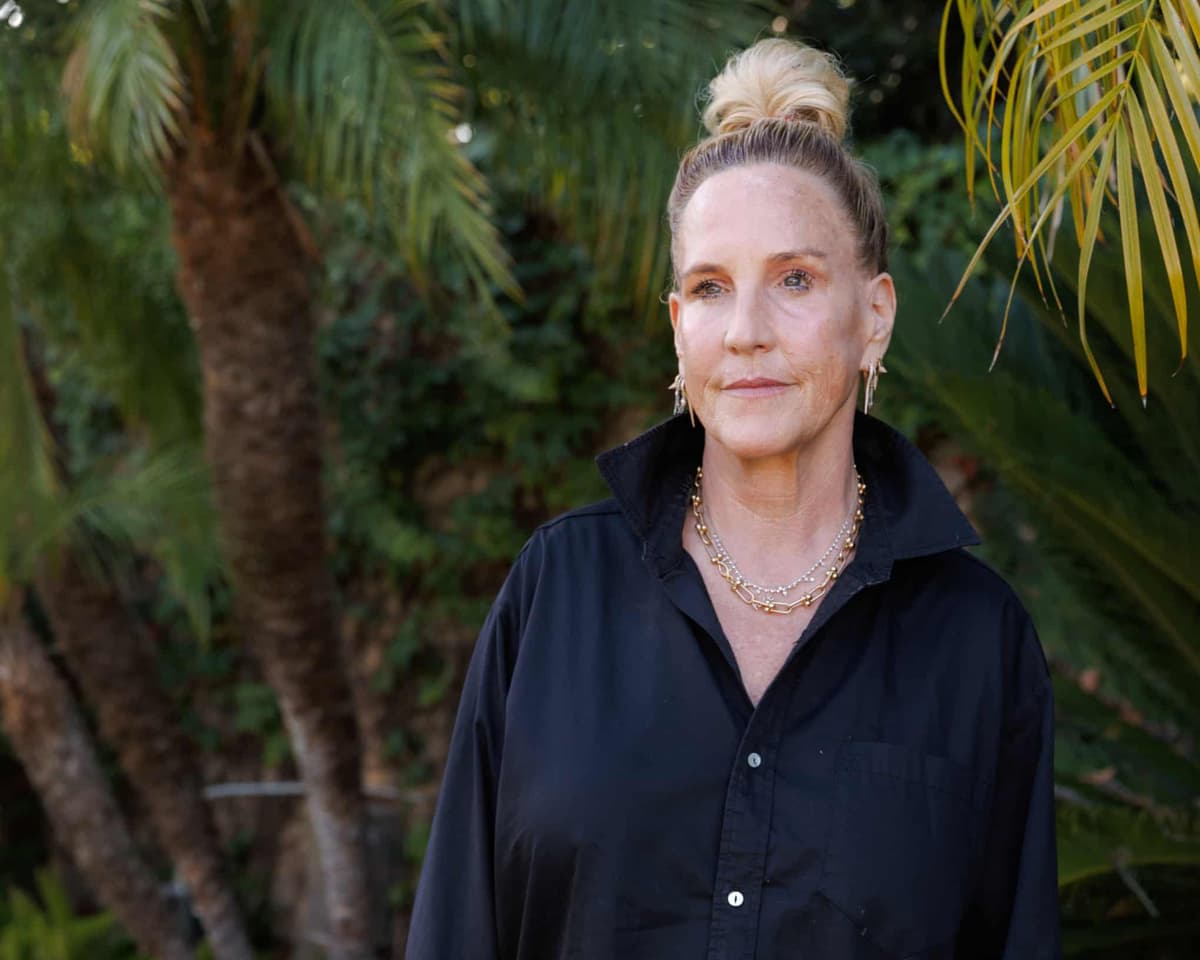
Erin Brockovich, the environmental activist who secured a landmark $333 million settlement against Pacific Gas and Electric in 1993, has identified a new adversary: the AI datacenter industry. After posting a call for information on her website in April, Brockovich received 3,862 responses within a month from people concerned about datacenters near their communities.
The Guardian first reported on Brockovich's campaign, which has grown to document 7,005 community reports about datacenter impacts across the United States.
A pattern of secrecy and scale
Brockovich has created an open-source map tracking AI datacenters nationwide. As of late June, 33 facilities are operational, 68 are under construction, and 41 are proposed. What alarms her most is how these projects advance without public knowledge or input.
Many datacenter developers sign nondisclosure agreements with local officials, bypassing environmental impact assessments and community hearings. Brockovich reports that some local governments change zoning laws to accommodate these projects, only learning of public opposition after approvals are granted. When municipalities attempt to pause construction in response to resident concerns, developers file lawsuits seeking over $100 million in damages—amounts small counties cannot afford to contest.
In Hill County, Texas, county commissioners voted for a one-year building moratorium after public outcry. Developers sued for $100 million, and the county reversed course, according to the Texas Tribune.
Water consumption in drought zones
The Guardian's analysis found that two-thirds of planned US datacenters are located in drought-stricken areas. Large facilities require up to 5 million gallons of water daily for cooling—equivalent to the consumption of 50,000 people. Residents report water bills jumping from $22 to over $350 monthly.
In May, Utah approved a datacenter twice the size of Manhattan. The infrastructure demands extend beyond water to electricity, with datacenters in Dublin already consuming one-fifth of Ireland's total electricity usage by 2023, prompting a moratorium there.
Beyond environmental impact
Community complaints document constant noise from generators, power surges, and increased utility costs. Residents describe 24/7 humming, hissing, and buzzing. Others report disappearing wildlife and dead animals near construction sites.
Brockovich emphasizes this isn't about opposing AI technology itself. "That genie is out of the bottle," she told the Guardian. Her focus is on the physical infrastructure and its construction without democratic process.
Why it matters
The datacenter expansion reveals a collision between AI's infrastructure requirements and local resource constraints. As companies race to build computing capacity for artificial intelligence, communities face existential questions about water access, energy costs, and decision-making authority. Seventy-nine US municipalities have issued construction moratoriums, but face immediate legal challenges. The pattern suggests tech companies are exploiting gaps in local oversight to build facilities that would struggle to win approval through transparent processes. For business leaders planning AI investments, the backlash indicates that infrastructure costs may extend beyond capital expenditure to include legal battles and regulatory delays.
Building from the ground up
Brockovich's approach mirrors her Hinkley strategy: organize communities, demand environmental impact reports, and build lawsuits from local cases. She advocates for case-by-case moratoriums and mandatory town hall meetings before approvals.
Seventy-nine US municipalities have issued moratoriums, though many face immediate lawsuits. States including Georgia, Maryland, Michigan, and South Carolina have introduced pauses on new approvals.
The campaign extends internationally, with Brockovich receiving contacts from Australia, India, Scotland, and Ireland. "This is a planetary thing," she said. "We're up against forces that have all the money and all the intelligence and all the bandwidth in the world."
Details of Brockovich's datacenter mapping project and community reports were first reported by the Guardian.
This is an original analysis by the Omega editorial team. Source reporting: AI Watch.
Want systems like this working for your business?
Book a Call
