Dutch Court Artist Wins Damages After PVV Altered Her Sketch with AI
A far-right party manipulated a courtroom drawing to make convicted murderers appear more menacing, raising concerns about journalistic integrity.
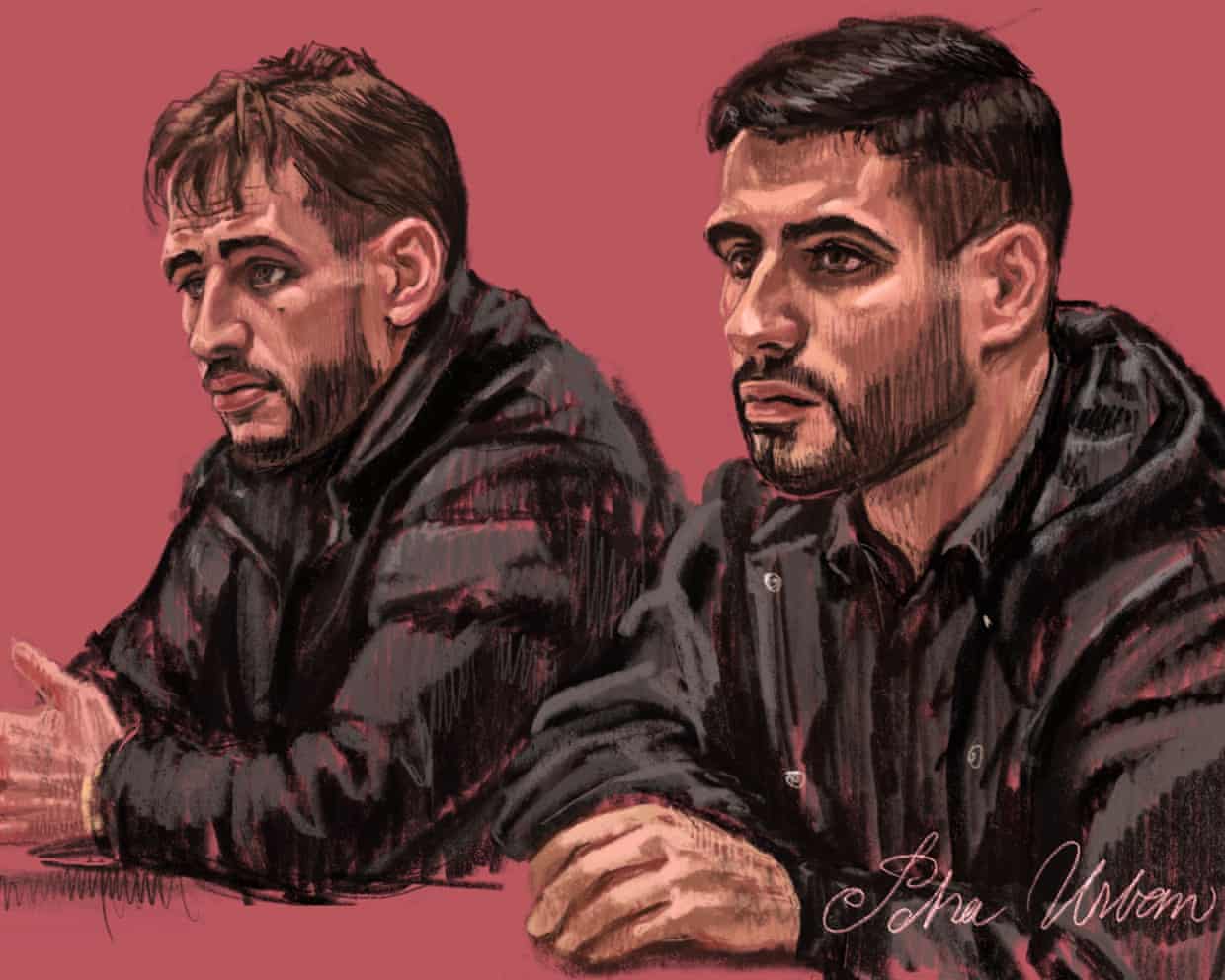
Dutch Court Artist Receives Compensation for AI-Manipulated Work
A Dutch court artist has successfully claimed damages after a member of parliament from the far-right Party for Freedom (PVV) used artificial intelligence to alter one of her courtroom sketches without permission, making the subjects appear more threatening.
Petra Urban, who has worked as a court artist for 19 years, discovered last year that her drawing of two Syrian brothers convicted of murdering their sister had been manipulated and used in social media videos by the PVV's Noord-Brabant regional branch. The altered image was posted on Instagram and Facebook.
Three Violations in One Act
Urban identified three distinct problems with the incident. First, her work was used without consent. Second, it was deployed for political purposes, compromising her ability to maintain neutrality and independence as a journalist. Third, and most troubling to her, the manipulation was accomplished using AI technology.
Under Dutch law, creators hold both copyright protection and moral rights that allow them to object when their work is distorted in ways that could damage their professional reputation. When Urban shared the original and altered images with fellow court reporters in May, the case generated widespread media attention.
Why It Matters
This case highlights a critical vulnerability in the digital age: AI tools now make it trivially easy to manipulate journalistic content in ways that serve political narratives while undermining public trust. When visual records from courtrooms—spaces where accuracy and impartiality are paramount—can be altered to inflame public sentiment, the implications extend far beyond copyright infringement. For news organizations and independent journalists, the incident underscores the need for technical safeguards and legal frameworks that can keep pace with generative AI capabilities.
Settlement and Apology
After Urban's union issued a legal demand for licensing fees and damages, PVV MP Maikel Boon contacted her directly to apologize. He has since paid an undisclosed sum in damages. The video promoting a new asylum center has been removed from the internet.
Boon publicly acknowledged responsibility and told De Telegraaf he had mistakenly believed that altering an image would exempt it from copyright protection, calling his actions "very stupid." The MP had previously faced accusations of using AI to manipulate images for campaign materials.
Urban said she felt "no mercy" in pursuing compensation given Boon's history. She also emphasized her political distance from the PVV, led by Geert Wilders, noting that even if the party aligned with her views, she would have objected to protect her professional neutrality.
Broader Implications for Journalism
Urban warned that the incident represents a troubling development requiring continued vigilance. "You need to be able to assume that journalistic work is written, drawn, photographed or filmed as neutrally as possible," she said. "If this is manipulated, then the flood gates are open. There's no knowing where it will end."
The case was first reported by The Guardian.
This is an original analysis by the Omega editorial team. Source reporting: AI Watch.
Want systems like this working for your business?
Book a Call
