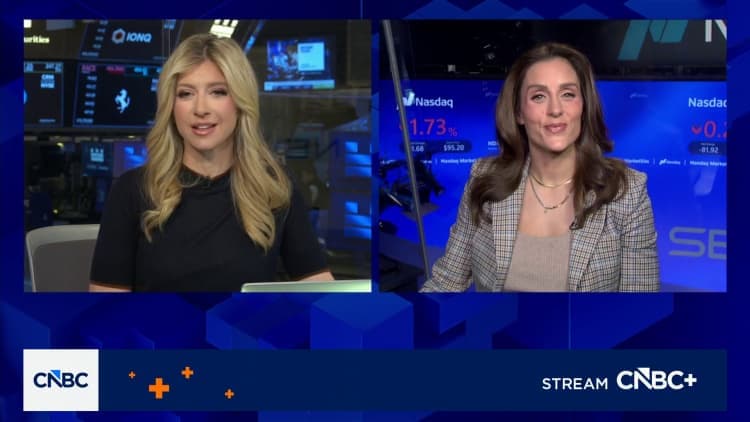
DraftKings Used AI to Target Heavy Losers With Promotions
Former employees say machine-learning models identified customers likely to lose more after receiving offers, while addiction prevention tools were sidelined.
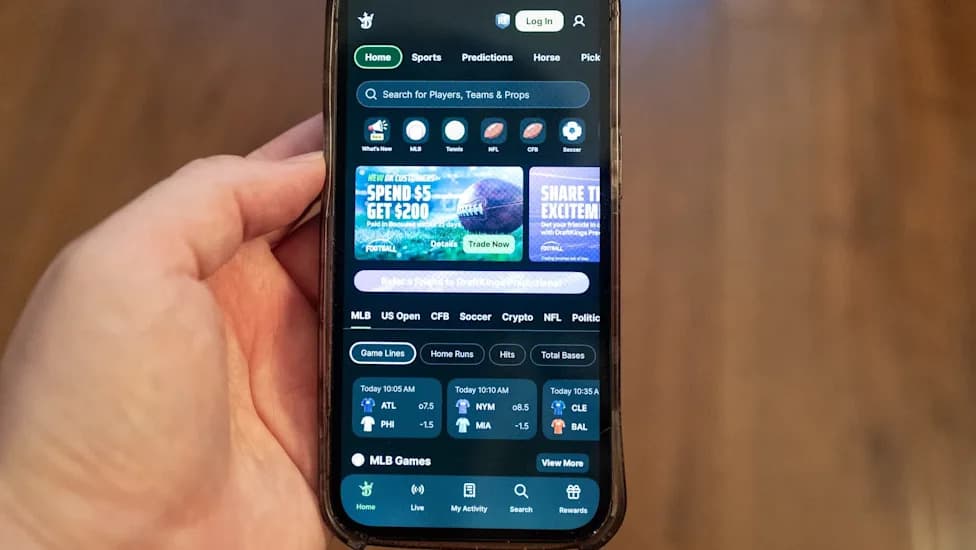
DraftKings Used AI to Target Heavy Losers With Promotions
Online gambling giant DraftKings deployed machine-learning models to identify which customers would respond to promotional offers by betting—and losing—more money, according to former employees who spoke to the New York Times.
Jayden Butts, a former data analyst at the company, described a 2023 assignment that involved evaluating a model designed to estimate how much casino users might lose after receiving a promotion. The company distributed roughly $3 billion in promotions in 2025 alone, including free bets, profit boosts, and deposit bonuses, according to Citizens Bank research cited in the Times investigation.
Butts said the project's objective troubled him because "the best investment would be a problem gambler."
Former staff describe conflicting priorities
Six former employees who worked on promotional targeting told the Times that DraftKings continuously refined these methods. Meanwhile, former staffers involved in responsible gambling initiatives said projects aimed at predicting addiction risk faced delays or were terminated entirely.
Former data scientist Nestor Hernandez led an internal effort to use machine learning for earlier intervention—potentially identifying at-risk users days or weeks before they would trigger existing safeguards. "The idea of this model is to be more proactive instead of being reactive," Hernandez explained. "You will basically predict that a user will be in trouble, let's say, a few days or a few weeks in advance. And you can act accordingly."
Another former analyst was more blunt: "It is as predatory as it sounds. If you lose more, we give you more, so you keep playing more."
Why it matters
The investigation exposes a fundamental tension in the online gambling industry: companies use sophisticated AI to maximize revenue from vulnerable users while deploying weaker technology to identify and protect those same customers. As sports betting expands—DraftKings grew from five million to 11 million customers between 2022 and 2024—the scale of potential harm increases. Problem gambling helpline calls in Ohio rose more than fourfold after the state legalized sports betting in 2023, illustrating the real-world impact of these business practices.
Company defends its practices
DraftKings disputed the characterization of its promotional strategy. The company said its marketing targets "customers who demonstrate sustained, engaged use of our platform, not toward customers based on their losses."
Lori Kalani, DraftKings' chief responsible gaming officer, said the company tracks "potentially risky behaviors" and monitors more than two dozen indicators through a nationwide program. She added that DraftKings chose not to implement predictive risk-scoring technology because it had not been proven effective.
The company says it maintains multiple safeguards, including cool-off periods, self-exclusion lists, and help-line information. DraftKings also uses large-language models to scan customer messages for signs of distress and does not send promotions to flagged users or those who have opted out.
Competitors FanDuel and Fanatics told the Times they use third-party risk-scoring tools—a technology DraftKings has declined to adopt.
Since the Supreme Court opened the door to state-level sports betting legalization in 2018, companies like DraftKings have transformed smartphones into constant gambling access points. DraftKings reported approximately $8.7 billion in gross revenue in 2025.
The details were first reported by the New York Times.
This is an original analysis by the Omega editorial team. Source reporting: AI Watch.
Want systems like this working for your business?
Book a Call