DOJ Backs xAI in Clean Air Lawsuit, Cites Defense Use of Grok
Justice Department argues unpermitted gas turbines power AI systems critical to classified military operations, including recent Iran strikes.
DOJ Intervenes on National Security Grounds
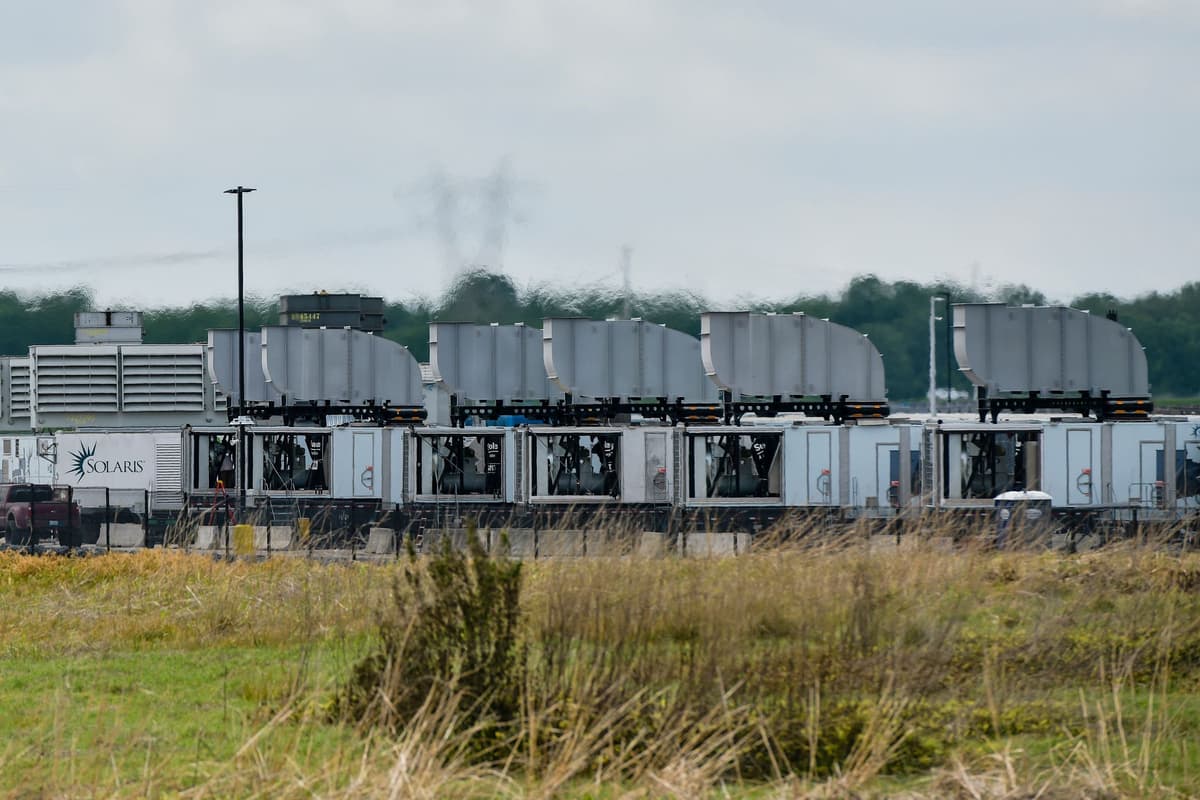
The Department of Justice has entered a lawsuit challenging xAI's operation of unpermitted natural gas turbines in Mississippi, siding with Elon Musk's AI company on national security grounds. In a Monday filing, DOJ lawyers argued that efforts to shut down the turbines "threatens American national, economic, and energy security" by cutting power to AI systems supporting Department of Defense military operations.
The intervention marks an escalation in a case that began when the NAACP sued xAI in April over alleged Clean Air Act violations at the company's Colossus 2 data center in Southaven, Mississippi. The civil rights organization is seeking to stop xAI from running the turbines without proper air quality permits, citing health risks in communities already facing significant pollution burdens.
Military Reliance on Grok Detailed
According to the DOJ memorandum, only four AI models—including xAI's Grok—currently "support mission-critical operations across Secret and Top-Secret classified networks." A declaration from Cameron Stanley, the Defense Department's chief digital and artificial intelligence officer, revealed that the military uses Grok's Gov model for "vital national security missions," including as part of recent strikes against Iran.
Stanley's filing asserts that forcing xAI to halt turbine operations at Colossus 2 would "directly threaten ongoing national security interests." The DOJ, alongside xAI and the state of Mississippi, has asked the court to dismiss the NAACP's suit entirely.
Turbine Count Doubled Since Lawsuit Filed
The NAACP's original complaint identified 27 turbines operating without permits at the Southaven site. However, emails between xAI and state regulators obtained by the Southern Environmental Law Center—a partner in the lawsuit—show that number had grown to 57 turbines by mid-May. Many were added weeks after the NAACP filed its case.
This expansion represents a 111 percent increase in nitrogen oxide emissions, an 83 percent increase in fine particulate matter (PM2.5), and an 88 percent increase in formaldehyde emissions since April, according to the environmental law center's analysis.
The NAACP filed for a preliminary injunction in May, arguing that continued unpermitted operation "increases risks of asthma attacks and heart disease" in nearby communities. The Memphis region, which borders the Southaven site, has some of the highest asthma rates in the United States.
Why It Matters
The case represents a collision between environmental regulation and emerging claims that AI infrastructure constitutes critical national security assets. The DOJ's argument that commercial AI systems are indispensable to classified military operations—and therefore exempt from standard permitting processes—could set precedent for how data centers are regulated as AI becomes more deeply embedded in defense operations. For communities near AI facilities, the outcome will determine whether health concerns can override national security justifications for environmental compliance delays.
Regulatory Dispute Over Permit Timeline
State agencies in both Tennessee and Mississippi have claimed xAI has a year to operate the turbines before obtaining clean air permits. The NAACP argues this interpretation conflicts with Environmental Protection Agency regulations. xAI previously faced similar complaints in southwest Memphis when residents discovered unpermitted turbines at its first data center site in 2024.
These details were first reported by WIRED.
This is an original analysis by the Omega editorial team. Source reporting: WIRED.
Want systems like this working for your business?
Book a Call