DeepMind CEO Proposes Industry-Funded AI Standards Body
Demis Hassabis outlines a FINRA-style framework for voluntary frontier model review ahead of public release.
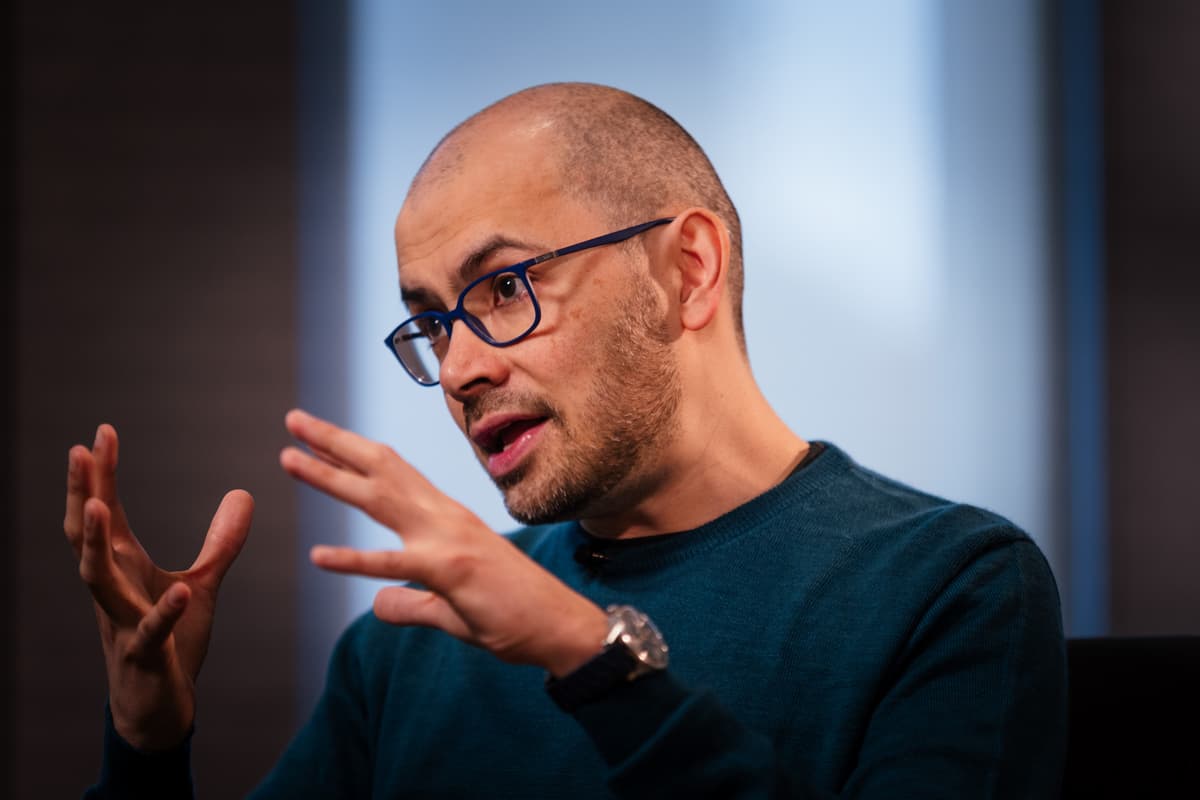
DeepMind leader pitches self-regulatory framework
Google DeepMind CEO Demis Hassabis has proposed creating an independent standards organization to evaluate frontier AI models before they reach the market. In a Tuesday post on X titled "A Framework for Frontier AI and the Dawning of a New Age," Hassabis outlined a structure modeled after the Financial Industry Regulatory Authority (FINRA), which oversees securities firms in the United States.
The proposed body would initially operate on a voluntary basis, with leading AI labs submitting models for review up to 30 days before public release. Once the assessment protocols prove effective, the framework could transition to mandatory compliance for models deployed in the U.S. market. Labs would also collaborate with the standards body to address vulnerabilities discovered after release.
Hassabis envisions the organization being funded by AI companies but operating independently, staffed by technical experts and open source representatives from within the industry. The body could delegate specialized evaluations to the expanding network of AI safety research groups.
Why it matters
This proposal arrives as the AI industry faces mounting pressure to demonstrate responsible development practices while the Trump administration has signaled resistance to traditional regulatory approaches. A self-regulatory model could provide oversight without creating new federal agencies—addressing both safety concerns and industry opposition to government control.
Building on flawed precedents
The framework responds to criticism of recent ad hoc government reviews of Anthropic's Mythos and OpenAI's Sol models. Those assessments drew complaints about insufficient technical expertise and unclear decision-making processes for determining release readiness.
By establishing a dedicated organization with industry funding and technical staff, Hassabis argues the approach could maintain pace with rapid AI advancement while adapting to emerging risks. "The strength of this approach is it would be technically focused, while at the same time supporting innovation and incentivising responsible behaviour," he wrote.
Political headwinds
The proposal faces an uncertain political landscape. White House AI advisor Sriram Krishnan, who also serves as a general partner at venture capital firm a16z, recently stated "there will not be an FDA for AI," dismissing the prospect of an executive branch regulator.
Structuring the standards body as a self-regulatory organization similar to FINRA could sidestep those objections by keeping oversight within industry hands rather than creating new government bureaucracy. However, questions remain about whether voluntary compliance would provide sufficient protection and whether industry funding could compromise independence.
The details were first reported by TechCrunch.
This is an original analysis by the Omega editorial team. Source reporting: AI Watch.
Want systems like this working for your business?
Book a Call
