Databricks revenue hits $6.9B as AI agents drive costs higher
The data analytics giant is growing fast but facing margin pressure as customers deploy more autonomous AI systems that consume computing resources.
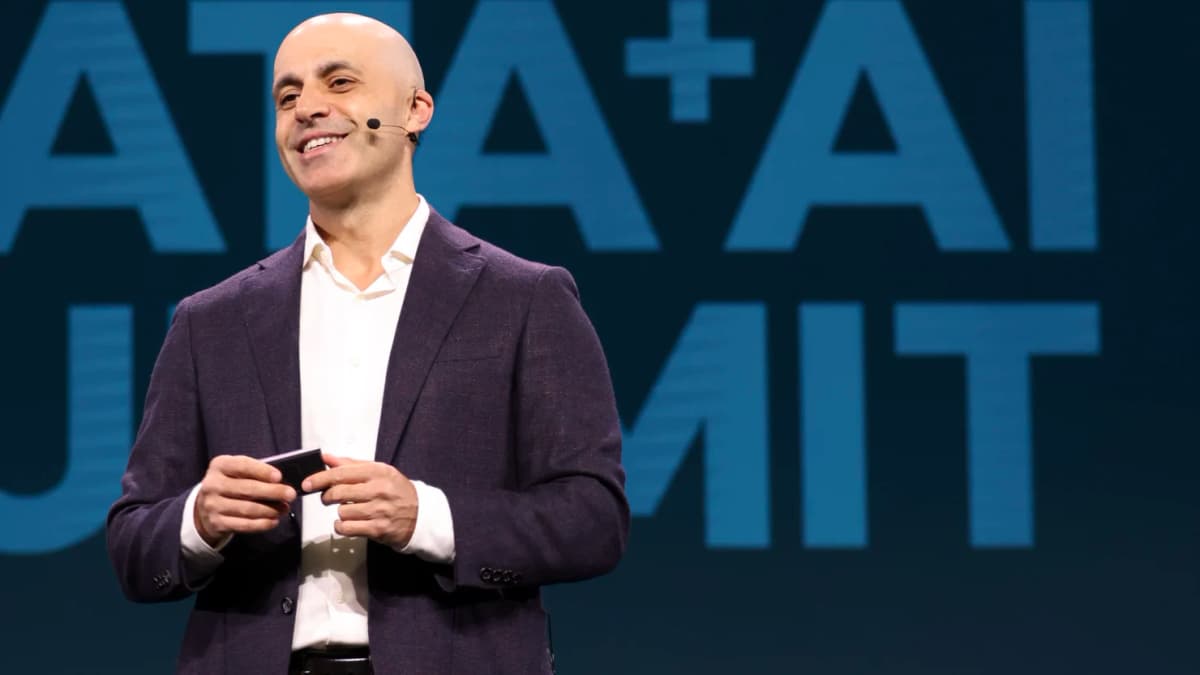
Databricks reported annualized revenue of $6.9 billion at its Data and AI Summit in San Francisco this week, representing more than 80% growth from a year earlier, according to CNBC. The privately held data analytics company disclosed the figure to analysts at the conference, up from $5.4 billion in its fiscal fourth quarter.
The surge positions Databricks well ahead of public competitor Snowflake, which reported around $5.6 billion in annualized revenue last month. With a private market valuation of $134 billion, Databricks now exceeds Snowflake's approximately $83 billion market capitalization.
Why it matters
Databricks' growth trajectory illustrates a critical tension in enterprise AI adoption: as companies deploy more autonomous agents to query data and automate workflows, infrastructure providers face escalating compute costs that compress margins. This dynamic could reshape pricing models across the data platform sector and influence how enterprises budget for AI deployments.
Margin pressure from AI agent workloads
CEO Ali Ghodsi told CNBC that gross margins will decline as customers increase their use of AI agents. The company's consumption-based pricing model means that as agents generate more queries against data platforms, Databricks must spend more on underlying AI models to process those requests.
"The agents are generating way more queries," Ghodsi explained in the interview. "We have all these agents, the agents and agent platform we have also generates revenue, so it just increases the consumption of everything all around."
Databricks now generates $1.7 billion in annual revenue from AI products, up from $1.4 billion in February. The company offers Genie, which allows business users to ask questions about corporate data, and Agent Bricks for building custom AI applications.
Shift from token maximization to value optimization
Ghodsi described a notable change in how enterprises approach AI spending. Companies have moved away from "tokenmaxxing"—encouraging maximum AI usage—toward "value-maxxing," which prioritizes efficiency.
To support this shift, Databricks introduced Unity AI Gateway, which notifies users as they approach AI budget limits. Large enterprises want access to frontier models like Anthropic's Mythos for complex tasks, Ghodsi said, but prefer simpler open-source models for routine work to control costs.
Chinese AI models have become extremely popular among Databricks customers, according to Ghodsi, who emphasized that "customers are really demanding the choice."
Expansion into vertical markets
Databricks is pursuing growth through industry-specific products. The company entered cybersecurity in March with Lakewatch software and announced this week it will acquire Panther, a security startup valued at $1.4 billion in 2021. Databricks also unveiled CustomerLake for managing marketing data.
The company remains private while peers including SpaceX, OpenAI, and Anthropic have recently gone public or filed for offerings. Details were first reported by CNBC.
This is an original analysis by the Omega editorial team. Source reporting: AI Watch.
Want systems like this working for your business?
Book a Call