Data Centers Face Growing Backlash Over Water, Noise, Grid Strain
Residents near AI infrastructure report damaged wells and sleepless nights as communities move to ban new facilities.
Neighbors Bear Hidden Costs of AI Infrastructure
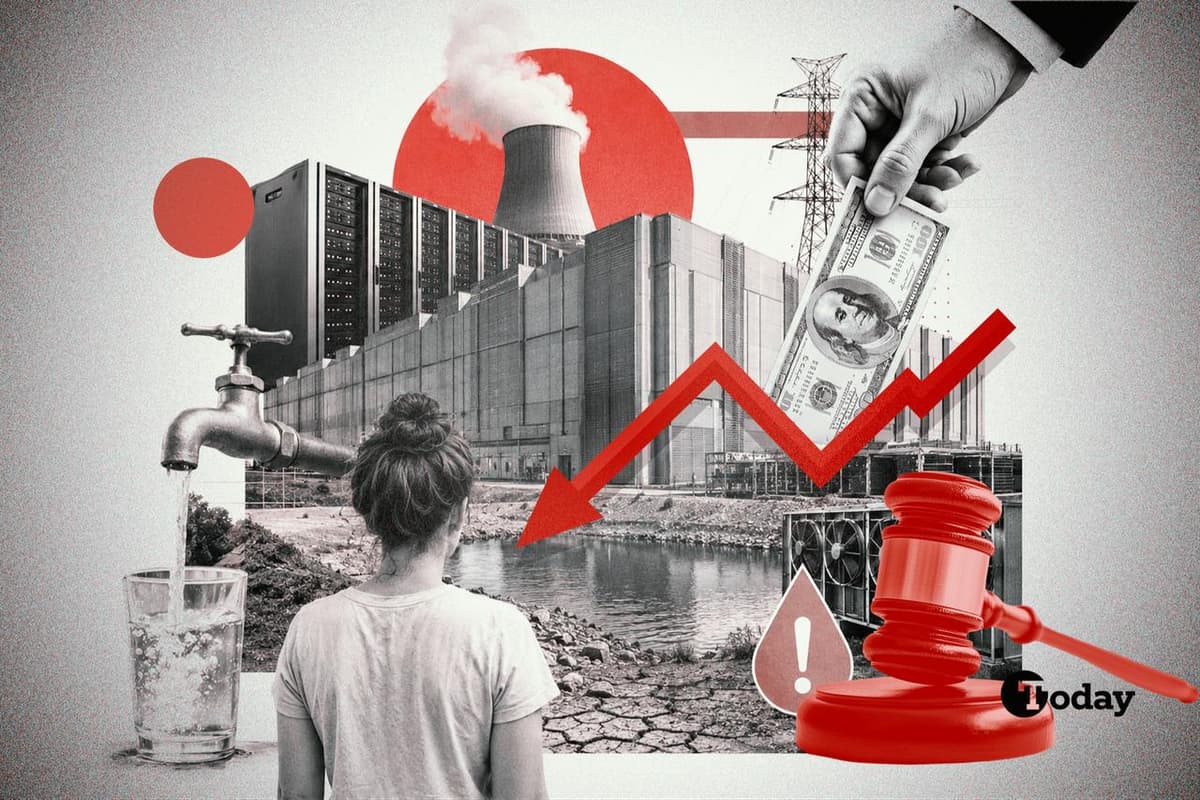
The infrastructure powering artificial intelligence is generating an unexpected backlash. Homeowners living near data centers report damaged water systems, chronic noise pollution, and disrupted lives—costs that never appear in cloud computing bills but are reshaping how communities view the AI boom.
In Georgia, Beverly and Jeff Morris live 1,000 feet from a Meta data center that spans over 2 million square feet. After construction began in 2018, their household appliances failed one by one. Their dishwasher, ice maker, washing machine, and toilet stopped functioning as water pressure dropped. The couple spent $5,000 replacing equipment. They joined other homeowners in a lawsuit filed in September 2024, accusing Meta of contaminating their water supply through construction activities including tree clearing, blasting, and excavation.
Meta commissioned a study concluding that groundwater flows away from the plaintiffs' properties and stated all water comes from a local utility. The company called the lawsuit "baseless" while affirming its commitment to being "a good community partner," according to reporting by Turkiye Today.
Round-the-Clock Noise Penetrates Homes
In Bristow, Virginia, Donna Gallant lives near Google's "Mango Farm" data center complex. The facility's constant hum penetrates her home despite expensive window replacements. During load tests, she told U.S. News, the noise "literally rocks your core" and prevents sleep. Data centers operate continuously, generating persistent background noise that affects nearby residents.
Political Shift as Opposition Surges
Public sentiment has shifted dramatically. Research conducted in August 2024 by Heatmap found 75% of registered voters would oppose a data center near their home—up from 42% one year earlier. The opposition crosses party lines, with both Republicans and Democrats rejecting new facilities. More than 500 U.S. towns and counties have moved to ban data centers, The Information reported, with resistance spreading to states including New York and Texas.
The United States hosts more than 4,000 data centers, with over 1,500 additional facilities planned, according to Pew Research Center. Census Bureau data shows spending on data center construction reached $4.4 billion in June 2024 alone—five times the level in November 2022, when ChatGPT launched.
Ireland's Grid Reaches Breaking Point
The European Union operates nearly 2,800 data centers, with Ireland emerging as the continent's most contested case. Data centers consumed 23% of Ireland's metered electricity in 2025, up from roughly 5% in 2015—nearly matching the 28% used by all Irish households combined, according to the Central Statistics Office.
The surge forced the Commission for Regulation of Utilities to freeze new grid connections in the Dublin area in 2021. The four-year moratorium lifted in December 2025, but only under strict conditions: facilities must include on-site generation and obtain at least 80% of their electricity from new renewable projects in Ireland within six years of operation.
Why It Matters
Data center infrastructure represents a collision between AI ambitions and physical constraints. Local tax incentives—Meta pays up to $5 million annually to Georgia counties, according to the lawsuit—create revenue for governments while externalizing costs to nearby residents. As AI adoption accelerates, these conflicts will intensify, potentially becoming electoral issues as candidates respond to constituent complaints. The expansion of AI capabilities depends not just on algorithmic advances but on securing community consent, adequate power generation, and water resources.
These details were first reported by Turkiye Today.
This is an original analysis by the Omega editorial team. Source reporting: AI Watch.
Want systems like this working for your business?
Book a Call