Data Center Ratepayer Protections Need State Action, Not Just Pledges
Tech giants promised to shield consumers from AI infrastructure costs, but enforcement requires state-level legislation and regulation that's only just beginning.
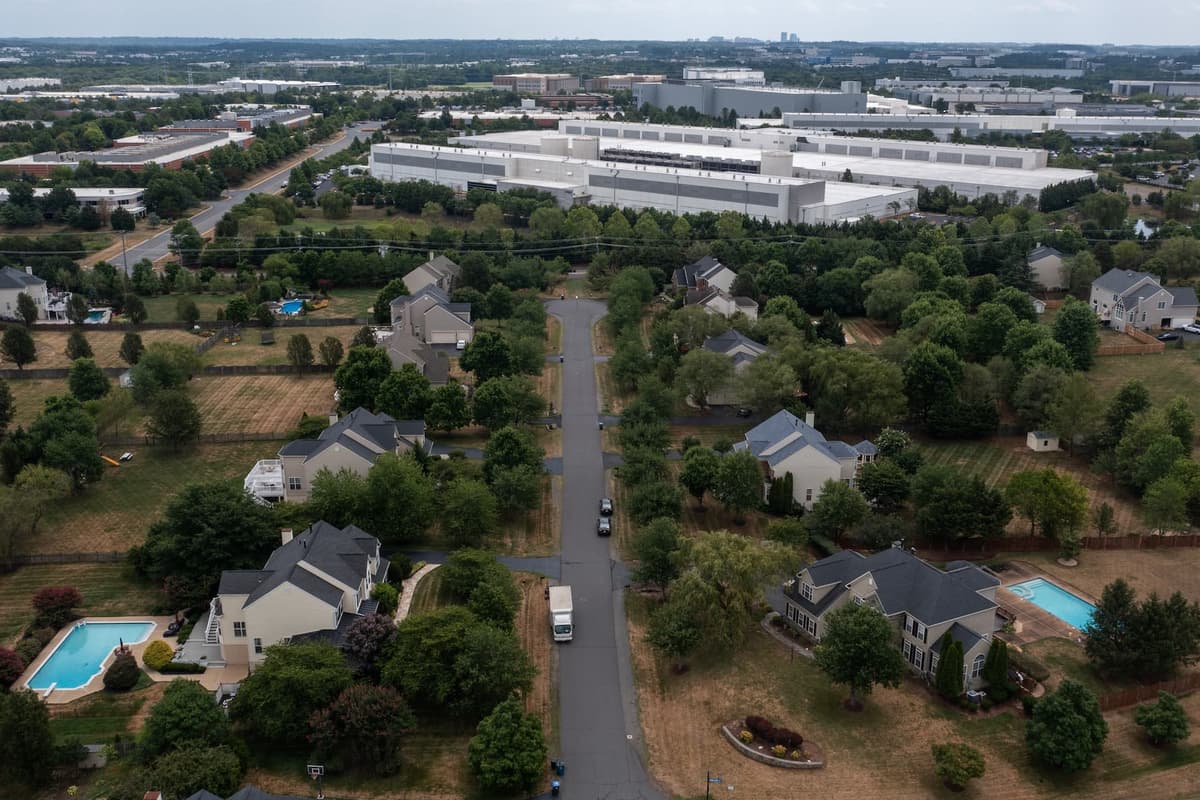
The rapid consensus around protecting electricity customers from soaring data center costs marks a dramatic shift in the AI infrastructure debate. Less than a year ago, industry advocates claimed rates would decline as more facilities came online. Today, major tech companies have publicly committed to shielding residential ratepayers—yet the hard work of enforcement has barely begun.
In March 2025, President Trump announced a "Ratepayer Protection Pledge" signed by Amazon, Google, Meta, Microsoft, OpenAI, Oracle, and xAI. The companies committed to building their own generation resources, covering infrastructure upgrade costs, negotiating separate rate structures, and paying for contracted power whether used or not. The final provision addresses the risk of "stranded investment" if AI demand evaporates or facilities close before infrastructure costs are recovered.
Why it matters
Without new tariff structures isolating data center costs, residential electric rates could increase 15% to 40% by 2030 according to ICF projections, with some utilities potentially seeing rates double by 2050. The pledge establishes political cover for ratepayer protections, but state utility commissions and legislatures hold the actual regulatory authority to implement enforceable rules—and most haven't acted yet.
The public opposition context
Ratepayer concerns exist within broader resistance to data center development. A February 2025 Marquette University poll found 70% of Wisconsin voters believe data center costs outweigh benefits, up from 55% six months earlier. In Virginia's "data center alley," only 35% of voters in 2025 said they'd be comfortable with a facility in their community, down from 69% in 2023.
Interestingly, higher utility bills represent just 15% of opposition reasons in a recent Gallup poll showing 70% of Americans oppose data center construction. Resource impacts (50%), quality-of-life issues (22%), and environmental concerns (16%) dominate objections. This suggests ratepayer protection alone won't resolve public resistance, though it remains essential.
State action remains incomplete
Virginia and Ohio lead in implementing protections. Virginia's State Corporation Commission created a separate rate tier for users demanding 25 megawatts or more, requiring them to pay at least 85% of transmission and distribution costs and 60% of generation costs regardless of usage, with 14-year minimum contracts. Ohio's Public Utilities Commission now requires large customers to pay upfront costs and reimburse 100% of build-out expenses.
Yet comprehensive state legislation remains rare. Georgia considered but didn't pass a bill prohibiting utilities from shifting data center costs to regular customers. California directed its utility commission to assess cost shifts but enacted no protections. Texas required data centers to pay upfront interconnection costs but rejected separate tariff provisions. Pennsylvania Governor Josh Shapiro announced standards in June requiring data centers to bear full generation capacity costs, now seeking legislative codification.
As of February, more than 300 data center bills have been filed in 30 states, including 18 that would establish separate rate classes for large energy users. Federal legislation from Senators Hawley, Warren, Blumenthal, and Schiff addresses aspects of the issue, but state utility commissions set the terms for power generation, distribution, and rates.
The implementation challenge
Translating pledge commitments into enforceable protections requires detailed regulatory work to fairly allocate generation, transmission, and distribution costs. State utility commissions can often act independently, but legislation establishing clear ratepayer protection policies and directing commission implementation would provide stronger foundations.
The political groundwork exists: public demand is clear, major AI companies have committed publicly, and the consensus on the problem is established. What's needed now is the granular regulatory and legislative work at the state level to make protections real.
These details were first reported by the Brookings Institution.
This is an original analysis by the Omega editorial team. Source reporting: AI Watch.
Want systems like this working for your business?
Book a Call
