Data Center Opposition Reshapes Michigan Congressional Race
A climate activist turned candidate is leveraging rural backlash against tech infrastructure to challenge the Democratic establishment in a swing district.
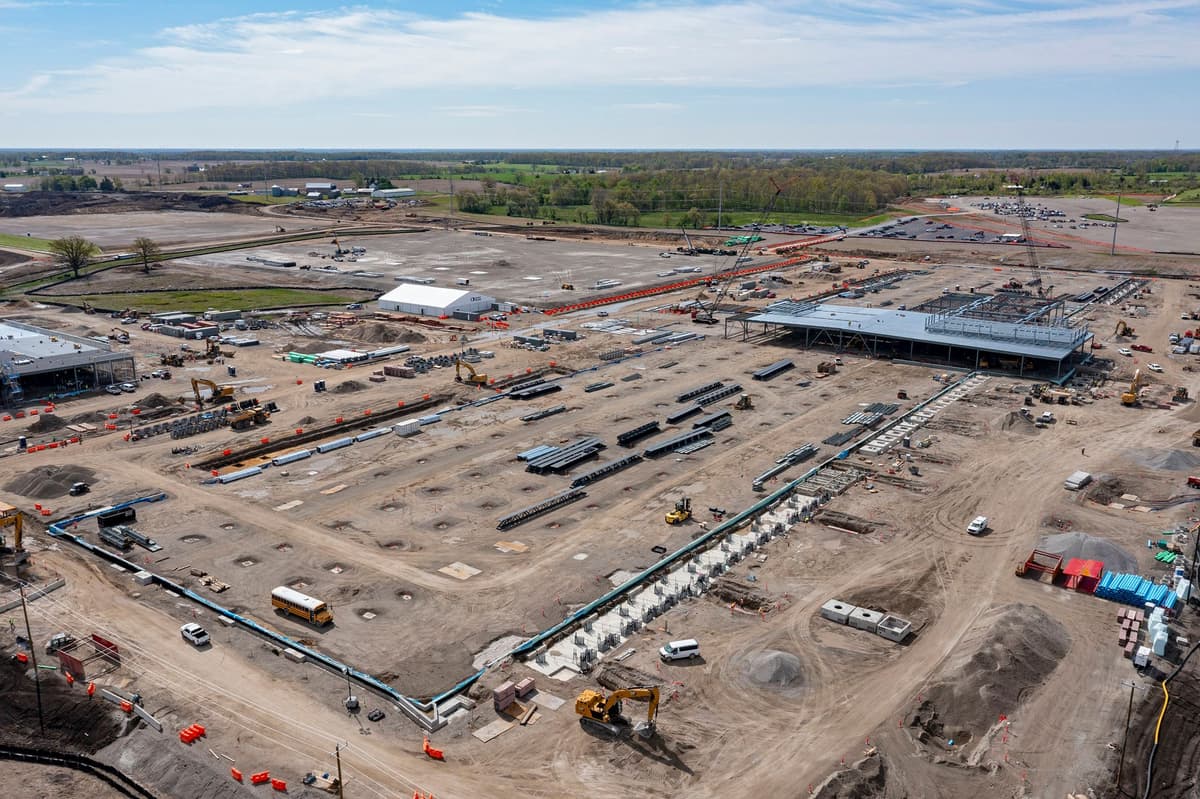
A congressional candidate in Michigan is turning local opposition to data centers into a central campaign issue, revealing how infrastructure battles over AI and cloud computing are reshaping political dynamics in swing districts.
Will Lawrence, a founder of the Sunrise Movement climate activism group, is running in Michigan's 7th district Democratic primary scheduled for August. His campaign has made data center opposition a cornerstone issue, earning an endorsement from Senator Bernie Sanders who praised Lawrence's stance on holding tech companies accountable.
Polling shows strong anti-data-center sentiment
Internal polling conducted by Data for Progress among likely Democratic primary voters in the district reveals significant opposition to data center development. More than 40 percent of respondents said they would be "much more likely" to vote for a candidate opposing data centers. Among voters under 45, nearly 80 percent indicated they would be much more likely or more likely to support an anti-data-center candidate.
The 7th district includes Ingham County, home to Michigan State University, which helps explain the strong response among younger voters.
Lawrence told WIRED that data centers were not an issue he anticipated focusing on when he launched his campaign last summer. Voters began approaching him at town halls asking for organizing advice to channel community opposition into action. "People feel like they're being utterly disrespected by the companies and the local officials who are welcoming them into town," he said.
Local resistance meets state-level support
At least 11 data centers are planned across Michigan, according to clean-energy database Cleanview. Local pushback in two townships within the 7th district has stalled at least two projects over the past year. However, developers have found ways to overcome opposition elsewhere. After a township in the adjacent 6th district voted against an Oracle data center, the company sued, and the town allowed development to proceed rather than face expensive litigation.
Earlier this month, Michigan Governor Gretchen Whitmer attended the opening of that Oracle data center, appearing alongside OpenAI CEO Sam Altman and praising the $16 billion investment. Christy McGillivray, executive director of Michigan-based democracy reform organization Voters Not Politicians, called Whitmer's appearance a major misstep for the governor, who has been mentioned as a potential 2028 presidential candidate.
Why it matters
The political dynamics around data centers in Michigan illustrate a broader tension facing Democrats: balancing support for tech industry investment with growing grassroots resistance to large-scale infrastructure projects. The issue connects to ongoing battles over renewable energy development, where Michigan leads the nation with more than 60 local governments passing restrictions on wind and solar projects between 2011 and 2024. Lawrence argues both controversies stem from communities feeling they lack control over their own futures—a sentiment that crosses traditional political divides and could reshape how both parties approach rural voters.
Lawrence noted that his conversations with data center opponents included people who also oppose solar and wind projects on farmland, helping him understand the common thread of local control. "The pattern that I see that is similar with the data center issue is people don't feel that they have control over the future of their own community," he said.
These details were first reported by WIRED.
This is an original analysis by the Omega editorial team. Source reporting: WIRED.
Want systems like this working for your business?
Book a Call