Data Center Gas Plants Could Lift US Power Emissions 20 Percent
Ninety-nine proposed natural gas facilities to power AI infrastructure threaten to derail Big Tech climate commitments.
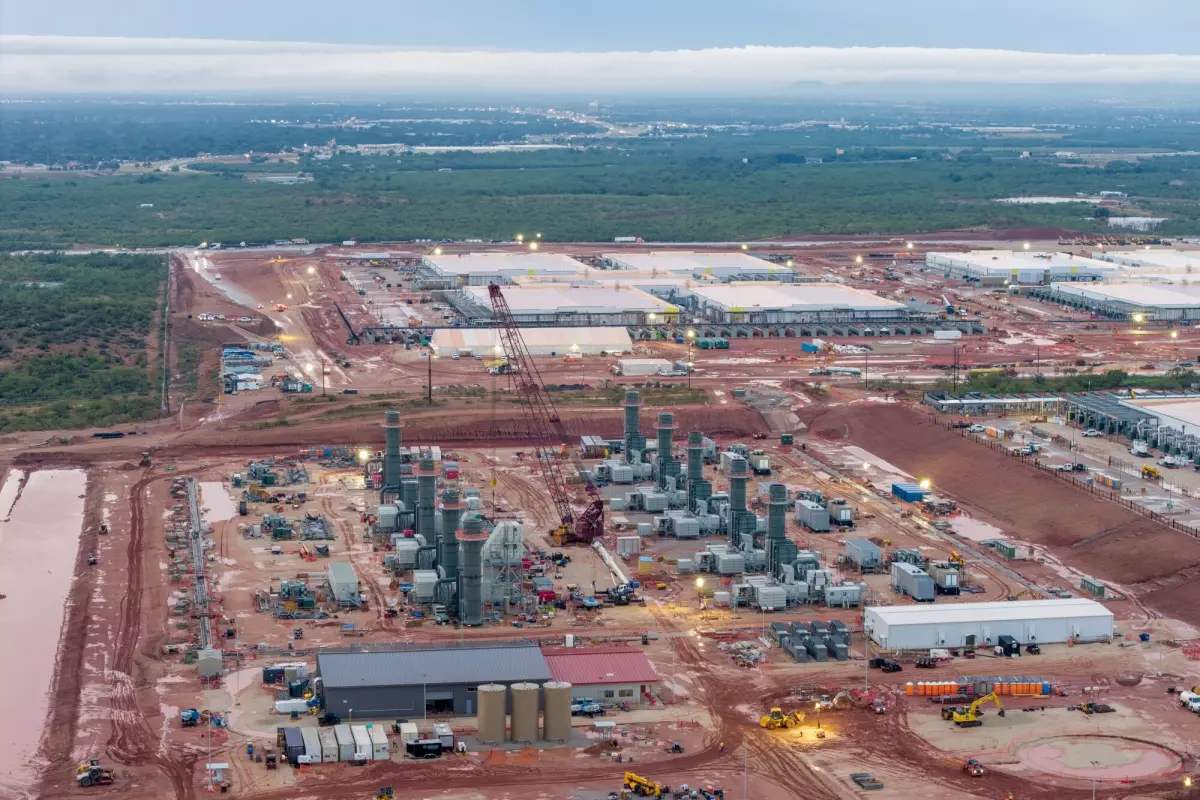
The artificial intelligence boom is driving data center developers toward a fossil fuel solution that could dramatically expand America's carbon footprint. Ninety-nine proposed natural gas power plants dedicated to data centers would emit approximately 318 million metric tons of carbon dioxide annually at standard operating rates, according to analysis by Bloomberg News using data from BloombergNEF.
To put that figure in perspective: the entire US electric power industry produced about 1,485 million metric tons of carbon last year, meaning this single category of infrastructure could increase power sector emissions by 20 percent. If the plants run at maximum capacity around the clock, emissions could climb by as much as one-third.
Why it matters
Major technology companies including Amazon and Microsoft have made public commitments to reach net-zero carbon emissions. These pledges, made before the AI explosion created unprecedented demand for computing power, now face a direct collision with the infrastructure required to deliver that power. The shift represents a fundamental tension between AI ambitions and climate goals that will shape both industries for years to come.
The Grid Cannot Keep Up
The data center construction surge has already strained the US electricity system, triggering reliability concerns and approval moratoriums in multiple regions. Facilities that do receive permits face delays stretching years before they can connect to regulated power grids.
Developers are responding by pursuing "behind-the-meter" projects that bypass utility approval processes and the independent system operators responsible for grid reliability. These facilities generate power on-site, allowing faster deployment but creating an end-run around environmental oversight.
"There is immense, immense pressure on the whole sector to get power, and get it fast," said David Pomerantz, executive director of the Energy and Policy Institute. "They're sort of agnostic if it is clean or dirty."
Texas Leads the Build-Out
BloombergNEF tracks projects across 22 states from Alaska to Georgia, with more than one-third concentrated in Texas. The state's abundant oil and gas resources and historically permissive regulatory environment have made it a magnet for rapid data center development, though Governor Greg Abbott recently announced a pause on new approvals.
Amazon and Microsoft, the largest cloud computing providers, are both building major facilities in West Texas. Cleanview, which monitors power infrastructure development, identified Amazon as the developer behind an 8,000-acre site in Pecos County that will rank among the nation's largest single carbon pollution sources.
About 30 miles west, Chevron is constructing a gas plant for Microsoft on a 2,000-acre site. The two facilities combined could generate more than 10 gigawatts of electricity—enough to power New York City on a hot summer day. Their annual emissions may reach 45 million metric tons of carbon dioxide equivalent, roughly half the total emissions of Washington state, where both companies maintain headquarters.
Climate Pledges Under Pressure
Both Amazon and Microsoft have invested heavily in clean energy projects and committed to eliminating their carbon contributions. Spokespeople for both companies say those climate goals remain unchanged. Amazon stated it is exploring solar power and battery storage options for its West Texas site.
"It has been a remarkable shift in the last three years," said Drew Wilkinson, a former Microsoft employee who organized colleagues around sustainability measures. "The companies who set the bar for corporate climate action are now bringing net new fossil infrastructure online at a breakneck pace. Few of us saw it coming."
The BloombergNEF data encompasses projects backed by leading AI labs OpenAI and Anthropic, specialized data center operators, cloud computing giants, and investor groups. Not all proposed plants will ultimately be built—the rush to meet AI computing demand has generated speculative projects alongside serious development plans.
The emissions calculations are based on 126 gigawatts of planned on-site gas generation capacity, using industry-average utilization rates of 60 percent and maximum deployment scenarios. Most developers are planning single-cycle gas generators, which are more readily available but less fuel-efficient and dirtier than combined-cycle plants that face yearslong turbine backlogs.
These details were first reported by Bloomberg News.
This is an original analysis by the Omega editorial team. Source reporting: AI Watch.
Want systems like this working for your business?
Book a Call
