Data Center Energy Demand to Double by 2030, Grid Capacity Lags
UN agency warns power infrastructure can't keep pace with AI facility construction, raising blackout risks and cost allocation disputes.
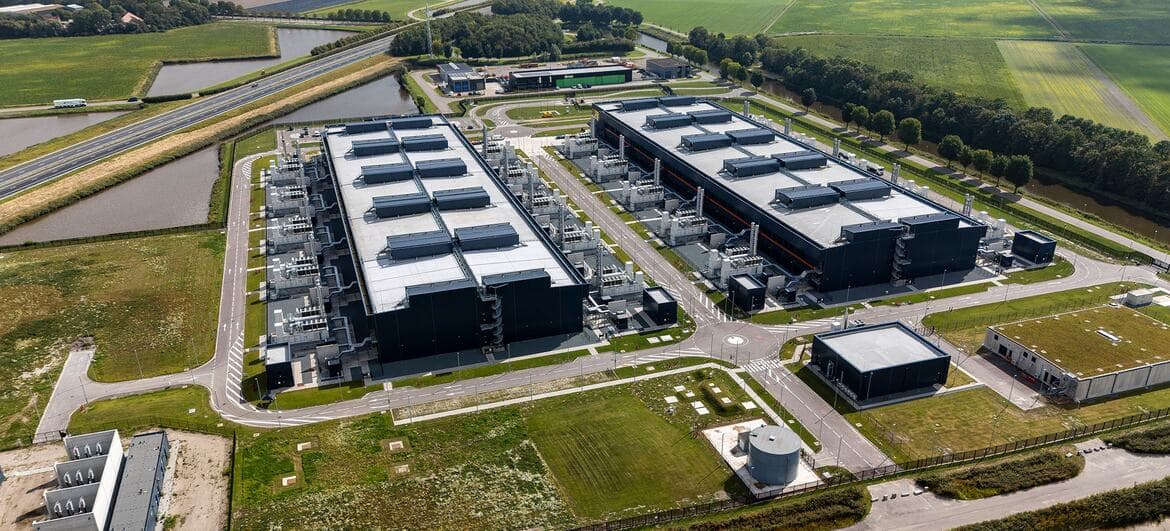
Grid infrastructure faces a critical mismatch
Electricity consumption by data centers worldwide is on track to nearly double within five years, reaching 950 terawatt-hours by 2030—equivalent to three percent of total global demand, according to the International Energy Agency. That surge from 485 TWh in 2025 represents a pace of expansion that power grids in many regions simply cannot match.
The United Nations Economic Commission for Europe has issued a stark warning: data centers and other energy-intensive facilities are being constructed far faster than the transmission infrastructure required to serve them reliably. A large data center can be built and connected to the grid in two to five years, but expanding transmission lines and substations typically requires more than a decade due to protracted planning, permitting, and construction timelines.
Why it matters
This infrastructure gap threatens the stability of electricity systems that underpin modern economies. Overloaded grids risk voltage instability, unplanned outages, and cascading failures—problems already emerging in systems heavily reliant on renewable energy. For business leaders planning AI deployments or data center investments, the warning signals a tightening constraint on where and how quickly new capacity can come online, with regulatory and cost uncertainties likely to grow.
Volatile AI loads strain renewable grids
Electricity demand from AI data centers is particularly unpredictable, with consumption capable of spiking without warning. Grids that depend on wind and solar generation cannot adjust output in real time to match these sudden surges, UNECE notes. The mismatch has already forced several countries to implement emergency measures.
Ireland, which hosts one of the world's highest concentrations of data centers, has imposed connection restrictions in Dublin. The Netherlands has introduced zoning constraints limiting where new facilities can be built. Both moves reflect growing concern that unchecked expansion could destabilize national power networks.
Who pays for grid upgrades remains unresolved
A critical policy question has no consistent answer: who should bear the cost of infrastructure upgrades necessary to connect large data centers? Significant investment in substations, transmission lines, and grid reinforcement is often required, but frameworks for splitting these expenses among data center developers, utilities, and ratepayers vary widely or don't exist at all.
Without clear cost-allocation rules, UNECE warns, essential grid investment may stall indefinitely.
Investment and regulation lag behind construction
While data center energy use is set to double by 2030, global investment in data center infrastructure is projected to grow more slowly—from approximately $800 billion annually in 2026 to $1.8 trillion by 2050, according to the IEA figures cited by UNECE.
Regulatory frameworks remain fragmented. Power-intensive facilities continue clustering in regions with favorable connectivity and light-touch regulation, concentrating demand in areas where local grids lack capacity. Environmental rules are beginning to address water use and emissions beyond electricity consumption, but UNECE characterizes these efforts as too piecemeal.
Regulators also lack real-time visibility into how large facilities consume electricity, making it harder to anticipate grid impacts and plan accordingly.
UNECE is calling for stronger coordination and clearer rules to ensure the long-term resilience of energy systems now critical to the digital economy. These details were first reported by UN News.
This is an original analysis by the Omega editorial team. Source reporting: AI Watch.
Want systems like this working for your business?
Book a Call