Data Center Bans Spread Across Chesapeake Bay Region
Seventeen localities have imposed moratoriums as residents protest energy strain, water use, and backroom deals with developers.
Grassroots opposition halts billions in projects
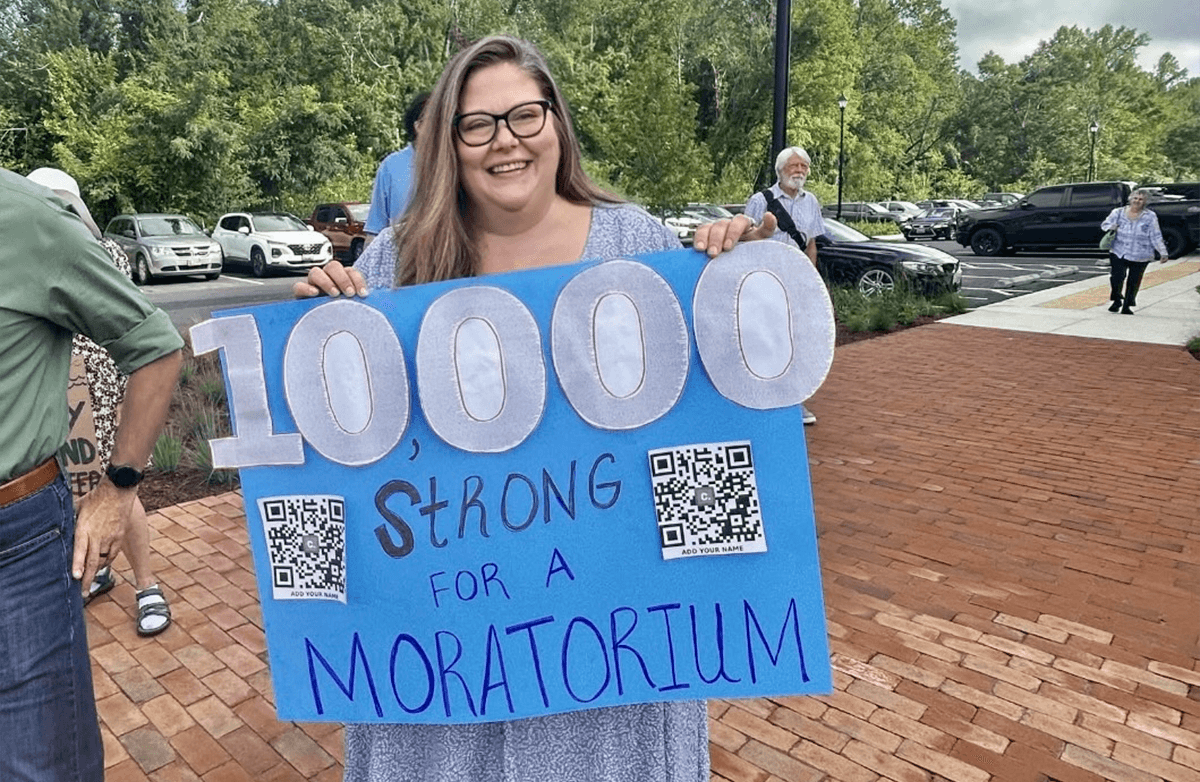
A backlash against data center development is reshaping land-use policy across the Chesapeake Bay region. Seventeen localities have enacted moratoriums on new facilities, with residents citing energy grid strain, water consumption, and secretive negotiations between developers and local officials.
In Harford County, Maryland, residents packed council chambers for more than 10 consecutive meetings before securing an outright ban on data centers in June. Warrenton, Virginia, is the only other jurisdiction in the region to implement a complete prohibition.
According to Data Center Watch, a research initiative, opposition groups nationwide more than doubled between October 2025 and March 2026. During the first quarter of this year alone, approximately $130 billion in data center projects were rejected — matching the total for all of 2025.
Why it matters
The conflict illustrates a fundamental tension in AI infrastructure expansion: communities are rejecting facilities that tech companies consider essential for cloud computing and artificial intelligence, even as those same localities face budget pressures. The outcome will determine whether data center growth concentrates in a few willing regions or disperses across the country, with implications for both the technology industry's capacity planning and local economic development strategies.
Energy bills drive public anger
Michael Sanderson, executive director of the Maryland Association of Counties, said he has never witnessed a policy issue rise so rapidly to dominate the political landscape. Residents are increasingly connecting data centers to higher energy bills, he noted.
PJM Interconnection, the Mid-Atlantic grid operator, has identified the data center industry as the primary driver of surging energy demand in the region. Communities also express concern about facilities using water for server cooling and operating diesel backup generators that emit air pollution.
Brittany Baker, Maryland director with the Chesapeake Climate Action Network, said many people point to Loudoun County, Virginia, which has become densely packed with data centers. Distrust has grown due to nondisclosure agreements and private negotiations that exclude public input.
Legal battles over transparency
Several projects have collapsed after developers bypassed community engagement processes. In Prince William County, Virginia, companies QTS and Compass planned the Digital Gateway campus — a development that would have placed 37 data centers adjacent to Manassas National Battlefield Park.
The county board of supervisors approved the project before any formal application was submitted, skipping public notice procedures. The Oak Valley Homeowners Association and American Battlefield Trust filed lawsuits. On March 31, the Virginia Court of Appeals ruled the county failed to meet public notice requirements.
"If they had done it the right way, I don't know that we could have stopped them," said David Duncan, president of American Battlefield Trust.
In Calvert County, Maryland, resident Melissa Emmal discovered a planned Amazon Web Services data center only after finding job listings for her area. Internal emails revealed county staff had been in discussions with developers for years. Emmal launched a petition that gathered 10,225 signatures, leading to a six-month moratorium, rejection of the Amazon project, and the electoral defeat of three county commissioners.
Economic trade-offs divide officials
Warrenton Mayor Carter Nevill, whose town banned data centers, now worries about funding deferred infrastructure maintenance without the tax revenue such facilities generate. A tech industry-funded study found that Loudoun County has reduced property tax rates while increasing public service funding over the past decade. That county will vote on its own moratorium on September 15.
Nicole Riley, director of Virginia government affairs for the Data Center Coalition, warned that moratoriums signal an area is "closed for business" for all major economic development.
Maryland faces a $3 billion budget shortfall, according to Sanderson, and must offset losses from federal job cuts. But Bryan Cornell, co-founder of the advocacy group Our Harford, dismissed tax revenue promises as unproven. He and co-founder Krissy Flatau pushed for a full ban rather than a moratorium, which they viewed as a pathway to eventual approval.
"Do data centers need to be built in every single county in every state in the country?" Cornell asked.
New York became the first state to adopt a statewide moratorium, while West Virginia passed legislation last year prohibiting counties from restricting data center development.
These details were first reported by Bay Journal.
This is an original analysis by the Omega editorial team. Source reporting: The Verge.
Want systems like this working for your business?
Book a Call
