Corning to Double in Size on AI Data Center Fiber Demand
The 175-year-old glassmaker is building three new optical fiber plants and hiring thousands as hyperscalers wire massive AI facilities.
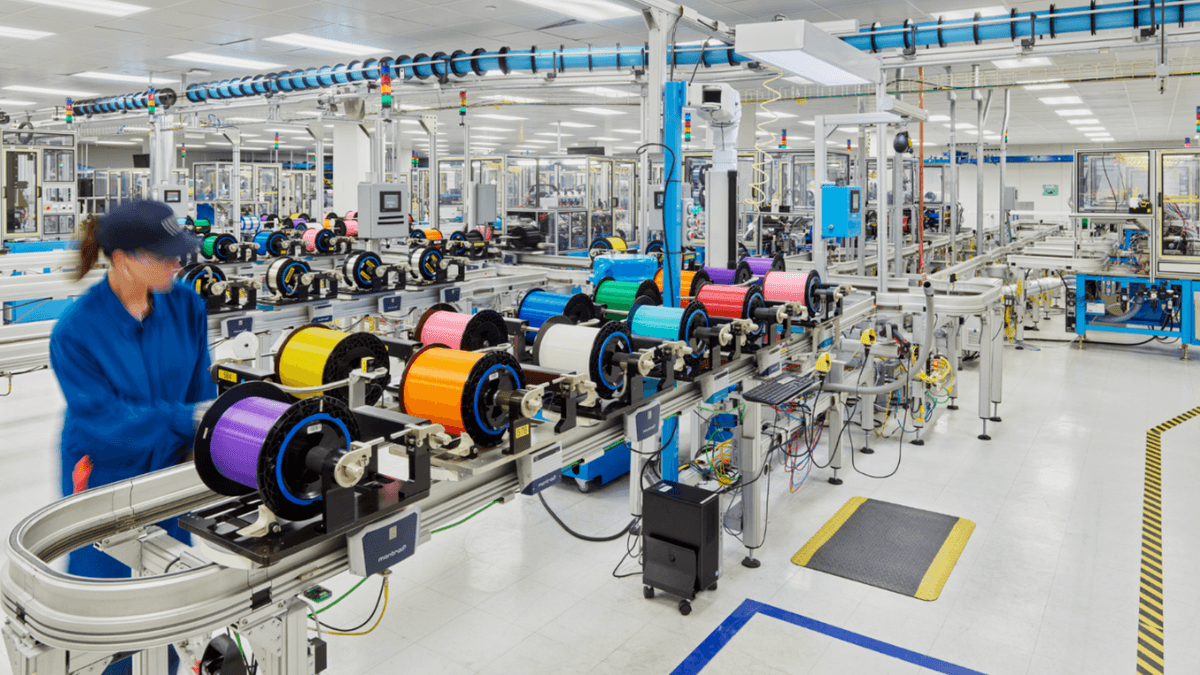
Optical fiber emerges as AI infrastructure bottleneck
The artificial intelligence buildout is creating unexpected winners in American manufacturing. Corning, the 175-year-old New York company known for Pyrex cookware and Gorilla Glass smartphone screens, now finds itself at the center of the data center boom — not for chips or power systems, but for the miles of optical fiber that connect servers inside AI facilities.
CEO Wendell Weeks told Fox News Digital the company is experiencing its fastest growth period in nearly two centuries and expects to double in size over the coming years. The driver: hyperscalers need vastly more high-speed glass connections to move data between the thousands of GPUs packed into each new AI data center.
Three new plants, 3,000 jobs
Corning is partnering with NVIDIA to construct three advanced optical manufacturing facilities in North Carolina and Texas. The project will expand the company's U.S. optical fiber manufacturing capacity tenfold and create more than 3,000 jobs, according to details first reported by Fox News Digital.
The investment illustrates how AI infrastructure spending extends well beyond the headline-grabbing chip foundries and cloud providers. Data centers require physical connectivity infrastructure at unprecedented scale — and that means American factories producing the fiber optic cable to wire them.
"As a 175-year-old company, we're going through our fastest growth period," Weeks said. "Almost all of our new hires will be in advanced manufacturing, a significant part of them right here in America."
Emily Capek, a planning supervisor at Corning's Wilmington, North Carolina facility, said workers are seeing the AI demand translate directly to production floors. "Right now, the world needs our glass optical fiber to support the AI demand we're seeing," she told Fox News Digital.
Why it matters
The Corning expansion offers a concrete counterpoint to fears that AI will primarily eliminate manufacturing jobs. At least in the near term, building the physical infrastructure for AI systems is creating substantial demand for factory workers and domestic production capacity. The company's tenfold capacity expansion also signals that current optical fiber supply cannot meet projected data center requirements — a potential constraint on AI deployment timelines that has received less attention than power grid limitations or chip shortages.
Glass connects the chips
While semiconductor manufacturers and AI model developers dominate headlines, Weeks emphasized that optical connectivity is equally critical to AI system performance. "The common story is AI being powered by chips, but actually, those chips are connected by glass," he said.
The details were first reported by Fox News Digital.
This is an original analysis by the Omega editorial team. Source reporting: AI Watch.
Want systems like this working for your business?
Book a Call