Connecticut's Benefits System Turns Caseworkers Into Compliance Clerks
Automated eligibility platforms are reshaping public assistance into digital gatekeeping that burdens both families and frontline workers.
The hidden cost of digital modernization
A disabled veteran's prepaid phone runs out of data mid-upload to a state benefits portal. The document never arrives. An automated system registers a missed deadline. The case moves toward closure. On the other end, a caseworker sees the clock ticking on a dashboard that measures call times and processing speed, knowing that staying on the phone to troubleshoot could damage their performance metrics.
This scenario illustrates what's happening inside the Connecticut Department of Social Services, according to an analysis first reported by CT Mirror. The state's move toward digital portals, automated eligibility checks, and self-service tools is being presented as modernization. But the reality is more complex: the safety net is being rebuilt as automated gatekeeping that shifts administrative work onto vulnerable families while constraining the judgment of frontline workers.
Why it matters
This transformation affects how millions of Americans access basic assistance. When eligibility systems prioritize speed and compliance over human judgment, technical failures become food insecurity and housing crises. The shift also reveals how automation can discipline workers and clients simultaneously, creating a system that monitors poverty rather than addressing need.
Digital barriers masquerading as convenience
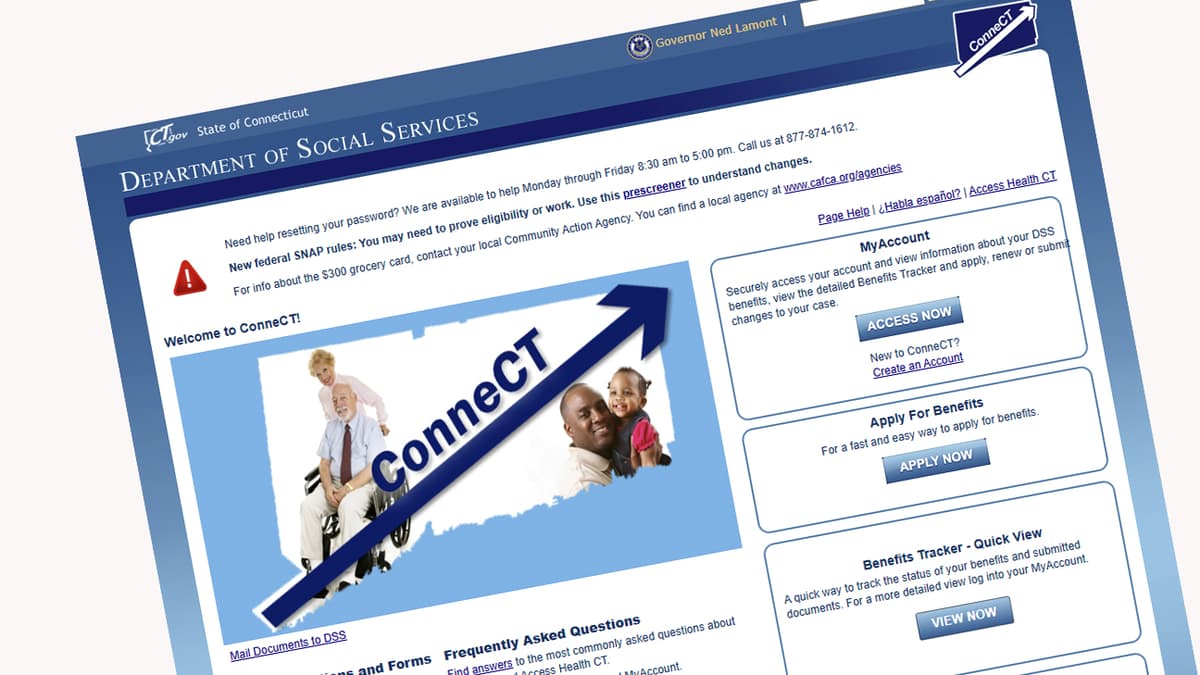
Connecticut's tools—including ConneCT, MyDSS, and various document upload portals—require clients to upload documents, track renewals, decode notices, and correct their own cases. For families without reliable internet access, working smartphones, digital literacy, or time, these "convenient" portals become barriers. A frozen upload or login problem can trigger benefit termination.
The state's integrated eligibility infrastructure, including the ImpaCT system, organizes cases through automated alerts, verification demands, and deadline tracking before a caseworker ever speaks with an applicant. When arbitrary policy limits are coded directly into automated thresholds, the system becomes structurally unable to account for income fluctuations or crisis situations.
A civil rights lawsuit brought by Disability Rights Connecticut challenges the state's HUSKY C Medicaid rules, exposing how automated systems operate as blunt financial filters for disabled adults with variable monthly incomes.
Surveillance built into the workflow
Automated data checks match wage records, employment information, and identity verification against benefit applications. Late documents, address mismatches, or conflicting records trigger additional verification requirements or case closures. When paired with fraud-detection analytics, these tools treat poverty itself as a risk category requiring constant monitoring.
Families applying for assistance must trade privacy for survival, with their uploads, logins, household changes, and benefit-use patterns becoming data points in systems designed to detect risk before understanding need.
Workers constrained by metrics
Caseworkers face their own form of automated oversight. Call times, pending tasks, processing speed, and document backlogs become performance measures. Dashboard metrics pressure workers to clear queues and follow checklists rather than exercise judgment about individual circumstances. The system rewards speed over care.
By the time a worker reaches a client, the platform has already organized the case through system categories and automated notices. Supervision is embedded in the technology itself.
Policy gaps remain
Connecticut's new AI law, Senate Bill 5, establishes rules around disclosure, transparency, and governance for automated decision systems. But managing AI compliance is not the same as protecting families from digital barriers or preventing dashboard metrics from disciplining workers. The law does not guarantee appeal rights for technology failures or prohibit platform analytics from replacing human judgment.
Timothy Scott, an associate professor of social work at Central Connecticut State University who authored the analysis, argues that future technology deployments should require labor protections, transparency, public oversight, limits on automated decision-making, data minimization, and union involvement.
These details were first reported by CT Mirror.
This is an original analysis by the Omega editorial team. Source reporting: Automation Watch.
Want systems like this working for your business?
Book a Call
