Congress Weighs Crew Minimums as Freight Rail Automation Advances
New bills would restrict remote operations and mandate two-person crews while the industry tests autonomous railcars.
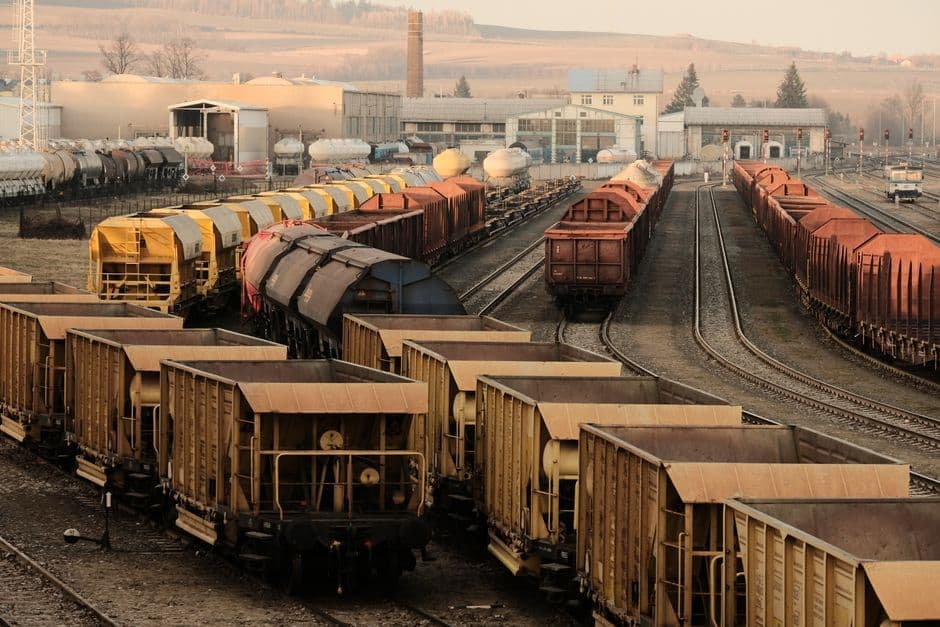
The U.S. freight rail industry faces a regulatory reckoning as Congress considers legislation that would restrict automation and mandate minimum crew sizes, even as federal regulators approve tests of autonomous technology.
Why it matters
The legislative outcome will determine whether freight rail safety standards remain prescriptive—locking in human crew requirements—or shift to performance-based rules that accommodate emerging technologies. This decision affects both the industry's operational costs and the job security of thousands of rail workers.
Testing autonomous technology under regulatory scrutiny
In February 2025, the Federal Railroad Administration approved a waiver allowing Parallel Systems to test autonomous railcar technology on a short rail segment in Georgia. Labor unions opposed the approval. St. Louis-based Intramotev has already deployed self-propelled railcars in Michigan mining operations.
These developments build on existing remote control locomotive use, which the FRA authorized for rail yards in 2012. Current data shows remote control locomotives are involved in roughly 25 percent of yard accidents but less than 1 percent of accidents on main lines. A 2006 FRA report found that safety performance with remote control operations on major railroads was roughly equivalent to conventional operations, though smaller railroads saw more accidents.
Legislative proposals target crew sizes and automation
Three bills now moving through Congress would constrain the industry's automation trajectory, according to a recent Congressional Research Service report first detailed by Legis1.
The Remote Control Locomotives Safety Improvement Act (H.R. 9409) would ban remote control locomotive use on main lines and prohibit trains from operating outside yards without a human engineer physically in the control cab. The bill would also restrict the FRA from waiving this requirement.
The BUILD America 250 Act (H.R. 8870) would codify a two-person crew minimum while directing the Transportation Secretary to consider performance-based safety rules—language that could preserve some regulatory flexibility.
The Secure Tracks Act (H.R. 7784 / S. 3987) would mandate minimum inspection frequencies and limit FRA safety waivers when alternative inspection methods fail to identify all unsafe defect conditions.
Political pressure from both sides
The Trump administration faces competing demands from railroad industry groups seeking deregulation to reduce costs and labor unions pushing for workforce protections. The 2023 East Palestine, Ohio derailment intensified public scrutiny of freight rail safety and created political momentum for stricter regulation.
Technological advances and cost pressures have already reduced crew sizes—most freight trains now operate with two-person crews—and decreased maintenance-of-way staffing across the industry.
The Infrastructure Investment and Jobs Act authorized an average of $225 million annually over five years for FRA research and development, providing resources for safety testing as automation technologies mature.
Unresolved technical challenges remain, including safety protocols for autonomous railcars at at-grade crossings where rail lines intersect public roads.
These details were first reported by Legis1 based on the Congressional Research Service analysis.
This is an original analysis by the Omega editorial team. Source reporting: Automation Watch.
Want systems like this working for your business?
Book a Call