Companies Shift from Single AI Lab Partners to Multi-Model Strategy
Vercel CEO says enterprises now mix OpenAI, Anthropic, Gemini, and Chinese models based on cost and performance needs.
Enterprise AI Strategy Moves Beyond Single-Vendor Lock-In
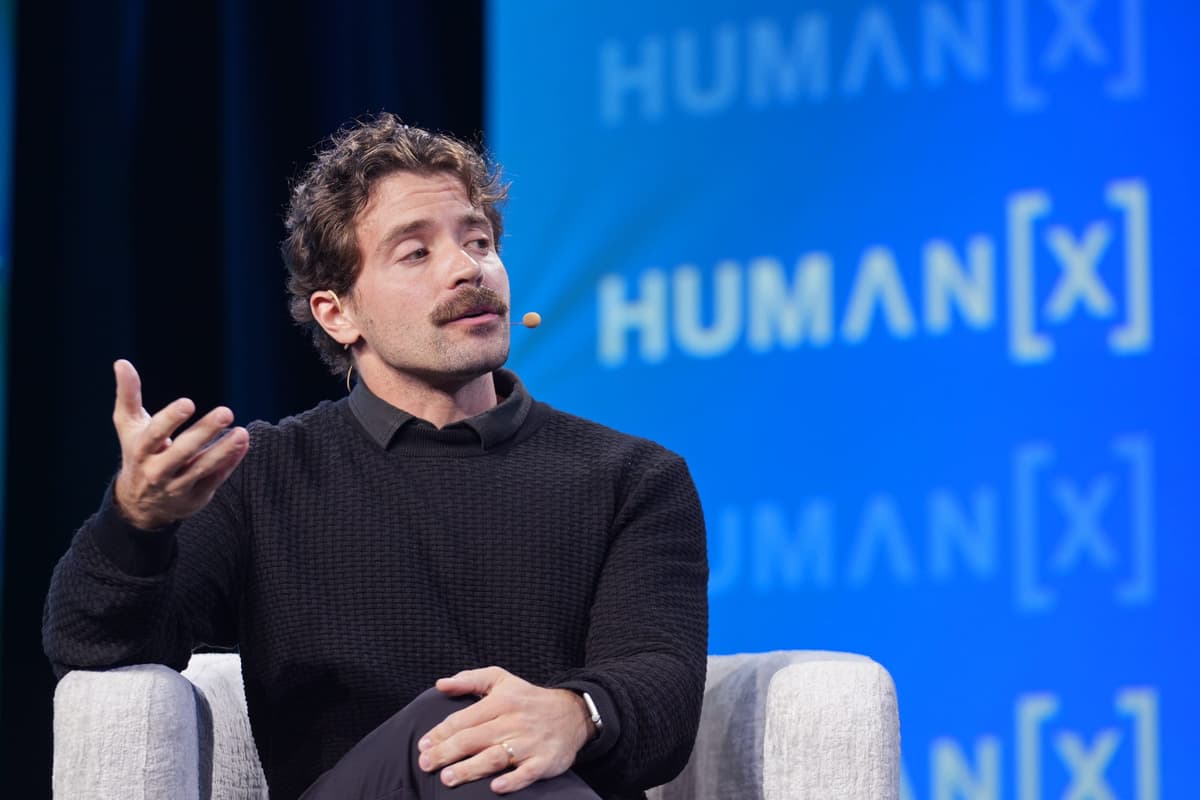
Companies are abandoning the practice of relying on a single AI lab for all their artificial intelligence needs, according to Vercel CEO Guillermo Rauch. In an interview with TechCrunch on Monday, Rauch described a fundamental shift in how enterprises approach AI infrastructure.
"Last year, there were a lot of people picking one lab partner — saying they would build everything on OpenAI or Anthropic," Rauch told TechCrunch. That approach has given way to a more sophisticated understanding of the AI technology stack, where companies now treat individual components as interchangeable.
The New Multi-Model Approach
Rauch explained that enterprises now understand how each layer of the AI stack functions — from the model itself to the harness, data platform, sandbox, and gateway. This knowledge has enabled a plug-and-play approach where organizations select different providers for different use cases.
Google's Gemini models are experiencing particularly strong growth, according to Rauch, due to their favorable price-to-performance ratios when deployed at scale. Chinese models including DeepSeek and Z.ai's GLM-5.2 are also seeing rapid enterprise adoption.
The shift mirrors how companies previously moved from single-cloud strategies with providers like Amazon Web Services or Microsoft Azure to multi-cloud architectures designed to avoid vendor lock-in and optimize costs.
From Prototyping to Production Reality
Rauch characterized the previous year as focused on AI prototyping, with widespread experimentation in building AI agents. Now, companies face the practical challenges of deploying these systems in production environments.
This maturation comes as enterprises confront the reality that AI spending doesn't automatically translate to customer value. The earlier practice of encouraging employees to maximize AI token consumption has ended, replaced by efforts to reduce costs and improve efficiency.
Coinbase CEO Brian Armstrong illustrated this trend in a June post on X, describing experiments with Chinese language models like GLM-5.2 and Kimi AI's K2.7 as default options because of their lower costs compared to American labs. Armstrong also discussed model routing — directing engineering prompts to the most appropriate model for each task rather than defaulting to expensive frontier models for simple operations.
Why it matters
This shift from single-vendor AI strategies to multi-model architectures represents a maturation of enterprise AI adoption. As companies move beyond experimentation to production deployment, cost optimization and performance tuning become critical. The willingness to mix Western and Chinese models, combined with sophisticated routing strategies, signals that AI procurement is becoming as strategic and complex as cloud infrastructure decisions. Organizations that master this multi-model approach will likely achieve better unit economics while maintaining flexibility as the AI landscape evolves.
Vercel, based in San Francisco, provides a cloud platform for developers to host and launch websites and applications. These details were first reported by TechCrunch.
This is an original analysis by the Omega editorial team. Source reporting: AI Watch.
Want systems like this working for your business?
Book a Call