Columbia University Event Examines AI's Role in Rising Power Costs
New research publications and expert panel will address electricity price increases and data center demand in Washington DC gathering.
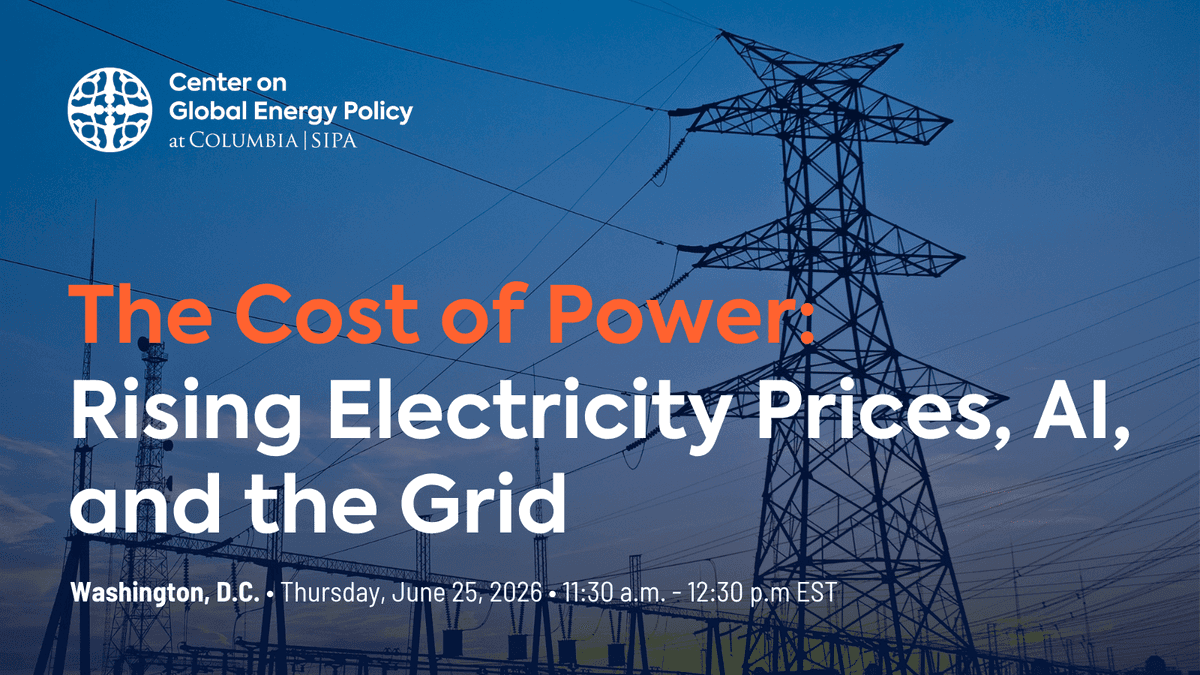
Columbia Convenes Energy Leaders on Electricity Price Crisis
Columbia University's Center on Global Energy Policy is hosting an in-person event in Washington DC to release new research examining rising electricity costs and the contributing role of artificial intelligence infrastructure. The February gathering at the Rayburn House Office Building will bring together policymakers and energy experts to discuss solutions for reducing consumer energy expenses.
The event will feature opening remarks from US Congressman Sean Casten, followed by a panel discussion addressing the multiple factors driving electricity price increases across the United States. According to details first reported by AI Watch, the research publications aim to provide policymakers with actionable pathways to lower costs for consumers.
AI Data Centers Under Scrutiny
A key focus of the discussion will be the impact of AI computing and data centers on electricity demand and pricing. As artificial intelligence workloads have expanded rapidly, the energy requirements of large-scale data centers have become a significant factor in regional power markets. The panel will examine how this technology-driven demand intersects with broader electricity pricing challenges.
The discussion panel includes Robin Millican, Director of Research Programs and Strategic Partnerships at CGEP, and Doug Arent, a Global Fellow at the center. Neil Chatterjee, who previously served as Chair of the Federal Energy Regulatory Commission and now holds a Distinguished Visiting Fellow position at CGEP, will also participate.
Why it matters
Electricity prices have become a critical policy issue as AI infrastructure expansion collides with grid modernization needs and consumer affordability concerns. The research from Columbia's energy policy center arrives as regulators and utilities grapple with unprecedented demand growth from data centers while trying to maintain stable rates for residential and commercial customers. Understanding the technology and policy levers available to manage these competing pressures will be essential for energy planning in the coming decade.
Policy Solutions in Focus
The event emphasizes practical policy recommendations rather than purely academic analysis. By convening former regulators, researchers, and legislators, Columbia's Center on Global Energy Policy aims to bridge the gap between energy research and implementable solutions at the federal and state levels.
The publications being released at the event represent Columbia University's latest contribution to the ongoing national conversation about energy affordability, grid reliability, and the infrastructure requirements of emerging technologies.
Event details were first reported by AI Watch. Registration is required for those wishing to attend the in-person gathering.
This is an original analysis by the Omega editorial team. Source reporting: AI Watch.
Want systems like this working for your business?
Book a Call