CIA Operative Helped UAE AI Firm G42 Win US Technology Access
A veteran intelligence officer assessed the Abu Dhabi company's China ties before facilitating its path to partnerships with Microsoft and other American tech giants.
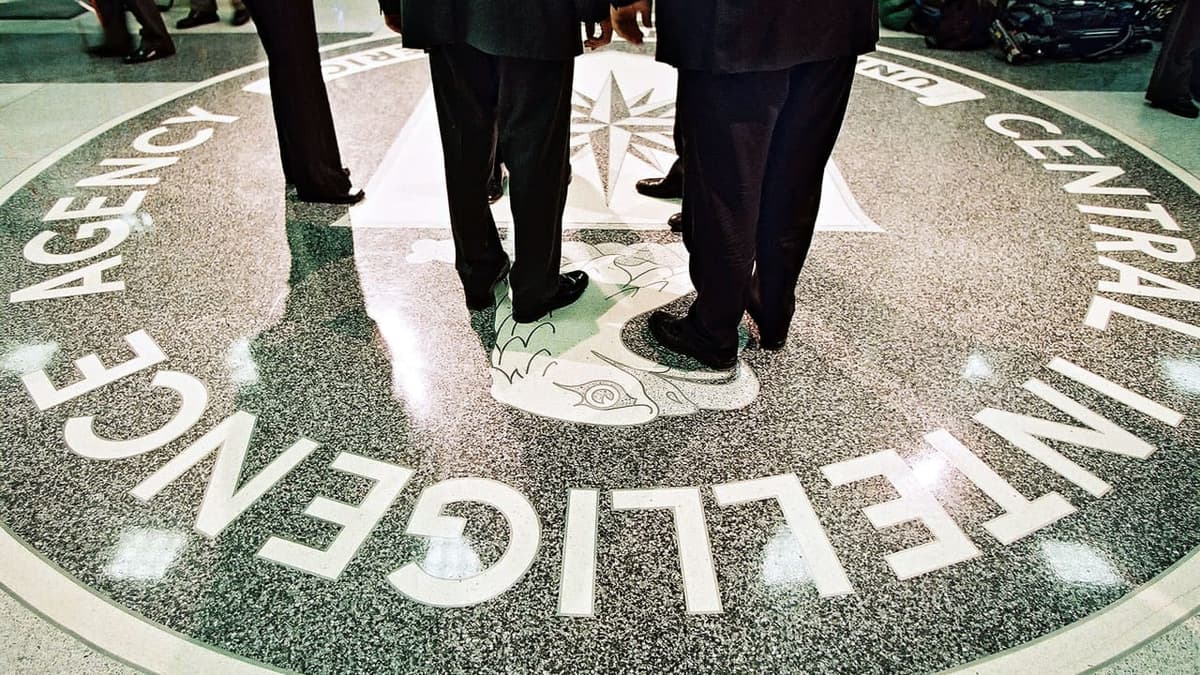
A CIA intelligence operation in Abu Dhabi evolved into a diplomatic channel that helped the United Arab Emirates secure access to advanced American artificial intelligence technology, according to a report by The Wall Street Journal.
Jonny Gannon, a CIA veteran with more than two decades of service, was deployed to the UAE in 2023 to assess whether G42—Abu Dhabi's flagship AI and cloud computing company—could be trusted with sensitive US technology. The assignment came amid Washington's concerns about the firm's prior business relationships with Chinese companies and its use of Chinese telecommunications equipment.
From intelligence gathering to technology diplomacy
Operating under diplomatic cover at the US Embassy in Abu Dhabi, Gannon initially investigated G42's leadership structure, technology partnerships, and security practices, The WSJ reported. His scrutiny extended to CEO Peng Xiao and the company's historical connections to Chinese technology and surveillance businesses.
The focus reflected broader US anxieties about Sheik Tahnoon bin Zayed Al Nahyan, the UAE's national security adviser who oversees the country's AI strategy and controls an extensive network of technology investments. As brother to UAE President Sheik Mohamed bin Zayed Al Nahyan, Tahnoon plays a central role in Abu Dhabi's ambition to become a global technology hub.
According to The WSJ, Gannon's mission gradually shifted beyond intelligence collection. He became a conduit through which Emirati officials learned what specific changes Washington required before permitting G42 to obtain advanced American technology.
G42's pivot away from China
G42 responded by reducing its China exposure, replacing Chinese technology infrastructure, and accepting additional security and compliance requirements. These moves laid the groundwork for Microsoft's $1.5 billion investment in April 2024, which included a binding security framework developed with input from both governments. Microsoft president Brad Smith joined G42's board as part of the arrangement.
The partnership remained contentious in Washington, where lawmakers and national security officials warned that advanced semiconductors and AI systems could have military applications. Critics argued that any transfer to a country with commercial ties to China posed security risks.
Proponents countered that excluding the UAE from American technology would drive Abu Dhabi toward Beijing, and that controlled access could anchor the UAE more firmly in Washington's technological sphere.
Why it matters
The case illustrates how intelligence operations increasingly intersect with technology diplomacy as the US seeks to maintain AI leadership while managing allies' relationships with China. The outcome—G42 gaining partnerships with Microsoft, Nvidia, and OpenAI while distancing itself from Chinese technology—represents a template Washington may apply to other strategic partners navigating between American and Chinese technology ecosystems.
Expanding US technology access
G42 has since secured partnerships with major American technology companies and gained expanded access to advanced AI chips, including high-performance Nvidia processors. The company announced Stargate UAE, the first international deployment of OpenAI's Stargate infrastructure platform, featuring plans for a one-gigawatt AI computing cluster in Abu Dhabi with initial capacity expected in 2026.
In February, G42 unveiled a new AI chip developed with US-based Cerebras Systems for its planned Abu Dhabi AI campus. The company also maintains direct ties to Israel through a post-Abraham Accords office and a joint venture with Rafael Advanced Defense Systems focused on AI and big-data products for healthcare, banking, and public safety sectors.
These details were first reported by The Wall Street Journal.
This is an original analysis by the Omega editorial team. Source reporting: AI Watch.
Want systems like this working for your business?
Book a Call
